4 Big Name Artists Who’ve Integrated AI Into Their Music in Transformative Ways
Companies Mentioned
Why It Matters
AI‑driven voice cloning and production tools unlock new markets, revenue streams, and creative possibilities, but they also raise copyright and authenticity questions that could reshape the music industry’s legal and ethical framework.
Key Takeaways
- •Lauv used AI to sing Korean version of hit
- •Jacob Collier partners with Google’s MusicFX DJ for evolving sound
- •AI recreated Randy Travis’s voice despite aphasia
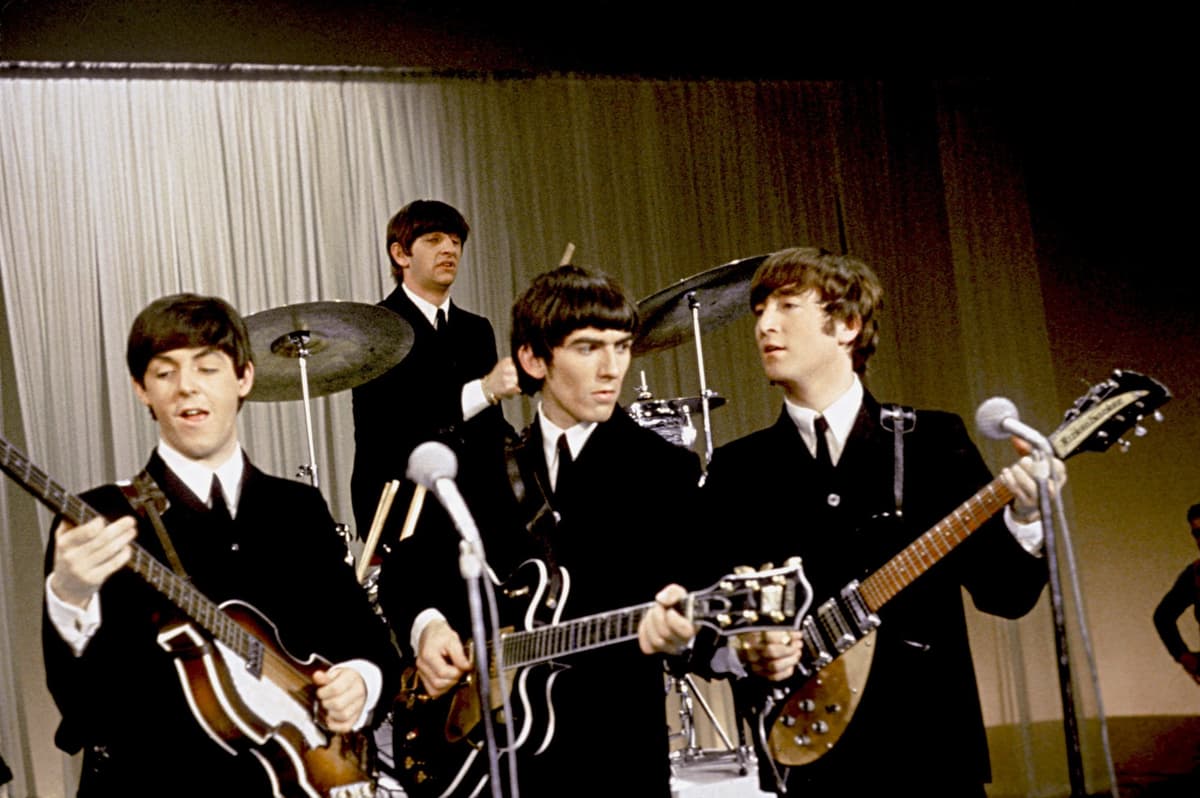
- •Paul McCartney leveraged AI to restore John Lennon's demo vocals
- •AI adoption signals new revenue streams and ethical debates
Pulse Analysis
Artificial‑intelligence voice synthesis has moved from experimental labs into mainstream studios, driven by platforms like Hooky and bespoke AI models that can replicate a singer’s timbre with striking fidelity. The technology enables artists to cross language barriers, as seen with Lauv’s Korean rendition, and to resurrect lost or damaged recordings, exemplified by Randy Travis’s post‑stroke revival and the Beatles’ newly polished track. This capability not only expands an artist’s global reach but also creates fresh licensing opportunities for AI‑generated performances.
Beyond technical feats, AI introduces complex intellectual‑property challenges. When a machine reproduces a deceased artist’s voice, questions arise about who owns the resulting sound—record labels, estates, or the AI developers. The industry is responding with emerging licensing frameworks, such as voice‑cloning royalties and consent protocols, to ensure creators are compensated while protecting legacy rights. Moreover, artists like Jacob Collier highlight a creative tension: AI can generate endless variations, yet its "perfect" output may lack the human imperfections that listeners find relatable.
Looking ahead, AI is poised to become a standard instrument in music production, akin to digital audio workstations. As tools become more accessible, mid‑tier and independent musicians will leverage them for cost‑effective production, potentially democratizing high‑quality sound. However, regulators and rights organizations will need to balance innovation with safeguards against misuse, such as deep‑fake vocals or unauthorized reproductions. The next wave of AI integration will likely focus on transparent attribution, ethical guidelines, and hybrid workflows that blend human artistry with machine‑enhanced creativity.
4 Big Name Artists Who’ve Integrated AI Into Their Music in Transformative Ways
Comments
Want to join the conversation?
Loading comments...