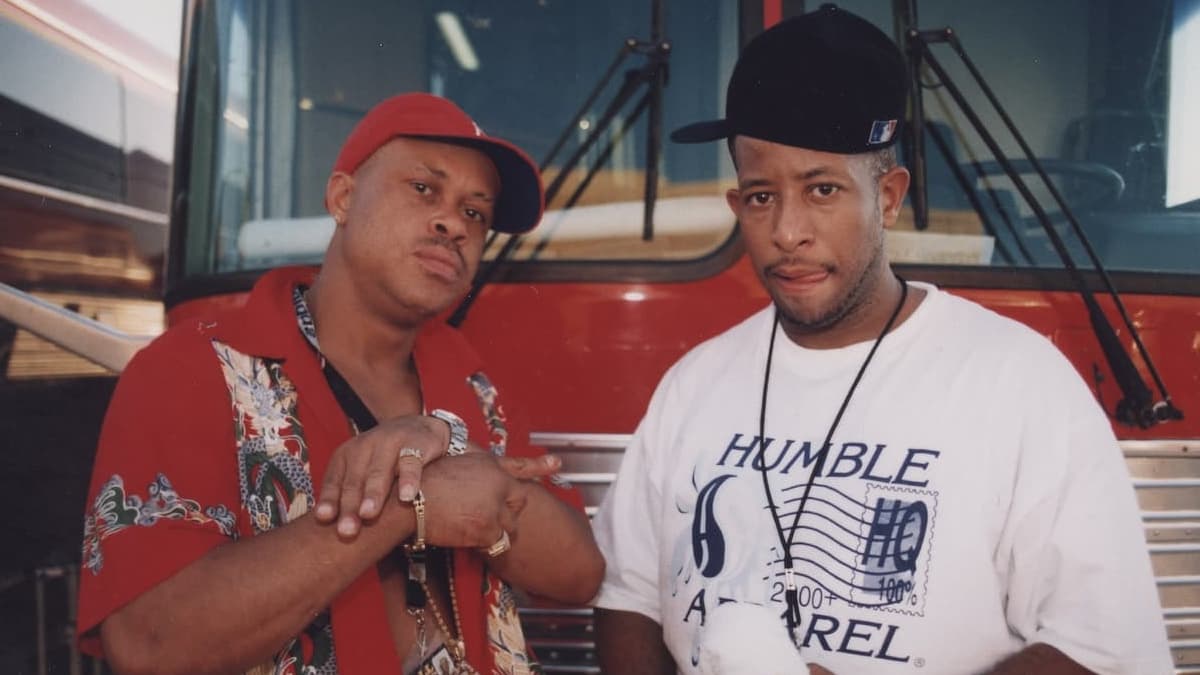
4 Hip-Hop Artists From the 90s Who Sound Just As Good Today As They Did In Their Prime
Why It Matters
Highlighting timeless 90s talent underscores how classic styles can fuel contemporary streams and guide label reissues, proving that nostalgia drives measurable revenue. It also signals to curators that deep‑cut artists remain viable for new‑generation audiences.
Key Takeaways
- •Guru's jazz‑infused flow would thrive with The Alchemist’s beats
- •Suga Free’s off‑kilter pimp narratives fit meme‑driven modern rap
- •The Pharcyde’s humor aligns with today’s underground indie hip‑hop
- •Big Moe pioneered melodic hooks before Nate Dogg’s mainstream rise
- •VICE’s list spotlights overlooked 90s acts still resonating with new fans
Pulse Analysis
The 1990s are experiencing a renaissance as streaming platforms resurrect catalog tracks and younger listeners hunt for authentic roots. While marquee names like Tupac dominate headlines, the deeper cuts often shape the genre’s evolution. Industry analysts note that playlists featuring "golden‑age" tracks now generate comparable streaming royalties to contemporary hits, prompting labels to re‑license obscure masters. This trend reflects a broader cultural appetite for nostalgia blended with fresh production, creating a fertile ground for legacy artists to re‑enter the conversation.
Guru’s razor‑sharp delivery, honed alongside DJ Premier, would sit comfortably over The Alchemist’s sample‑heavy beats, marrying old‑school lyricism with today’s boom‑bap revival. Suga Free’s flamboyant, narrative‑driven verses echo the meme‑centric storytelling that thrives on TikTok, while The Pharcyde’s off‑beat humor dovetails with the indie‑hip‑hop resurgence championed by artists like Billy Woods and Navy Blue. Big Moe’s soulful, melodic choruses predate the current wave of rap‑singers who blend R&B hooks into trap anthems, illustrating how his 90s contributions laid groundwork for today’s genre‑bending tracks.
For record companies, the lesson is clear: investing in the rights and promotion of these under‑the‑radar veterans can unlock new revenue streams and diversify catalog offerings. Curators can craft thematic compilations that juxtapose classic verses with modern production, appealing to both nostalgic boomers and Gen‑Z explorers. As the line between past and present blurs, the industry’s willingness to spotlight overlooked 90s talent may redefine how legacy content fuels the next wave of hip‑hop innovation.
4 Hip-Hop Artists From the 90s Who Sound Just As Good Today As They Did In Their Prime
Comments
Want to join the conversation?
Loading comments...