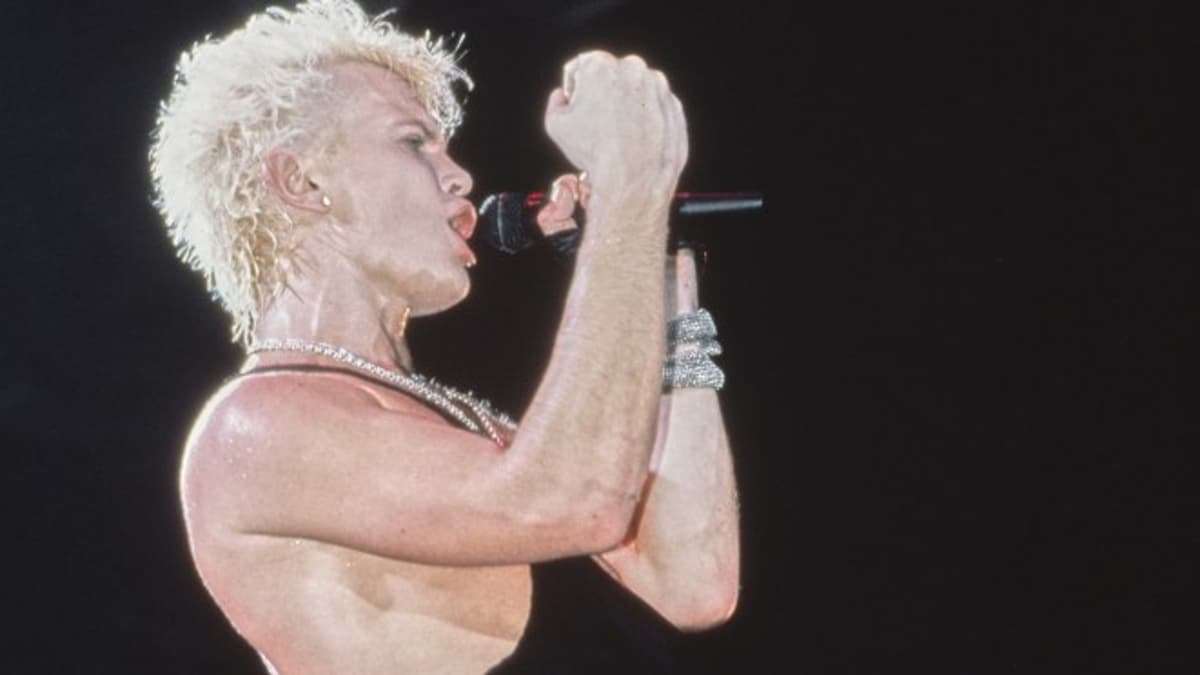
4 Songs That Show How Billy Idol Filled a Punk Void in the 1980s
Why It Matters
Idol’s genre‑blending strategy proved that punk’s rebellious ethos could be monetized in the mainstream, influencing how labels packaged and promoted edgy artists throughout the 1980s and beyond.
Key Takeaways
- •Idol's remix of 'Dancing With Myself' hit US dance charts.
- •'White Wedding' became MTV staple, merging punk image with glam.
- •'Rebel Yell' fused hard‑rock riffs with disco‑era beats.
- •'Eyes Without A Face' delivered Idol's first US Top‑10 hit.
- •Idol's solo work kept punk attitude alive in 1980s mainstream.
Pulse Analysis
Billy Idol emerged from the ashes of Generation X at a moment when punk’s commercial momentum was fading. By repurposing the raw energy of his early band into a hybrid of new‑wave synths, dance‑floor beats, and hard‑rock guitars, he created a sound that appealed to both club DJs and radio programmers. The 1980 remix of “Dancing With Myself” exemplified this crossover, turning a modest UK single into a U.S. dance‑chart contender and establishing Idol as a transatlantic act.
The subsequent singles cemented Idol’s formula. “White Wedding” leveraged MTV’s visual boom, pairing a gothic‑themed video with a razor‑sharp riff that resonated with the network’s youthful audience. “Rebel Yell” amplified that approach, marrying a memorable guitar hook with a pulsating rhythm section that echoed disco’s four‑on‑the‑floor feel while retaining rock’s aggression. Finally, the synth‑laden ballad “Eyes Without A Face” demonstrated Idol’s versatility, delivering his first U.S. Top‑10 hit and proving that a punk‑styled persona could thrive on mainstream pop radio.
Idol’s 1980s catalogue reshaped how record labels marketed former punk artists, showing that a cultivated image and genre‑blending production could generate multi‑million‑dollar sales. The commercial success of his hybrid sound opened doors for later acts such as The Cult and later alternative‑pop crossover bands. From a business perspective, Idol’s brand—spiked hair, rebellious swagger, and savvy MTV presence—illustrates the enduring value of visual identity in music monetization, a lesson still relevant in today’s streaming‑driven market.
4 Songs That Show How Billy Idol Filled a Punk Void in the 1980s
Comments
Want to join the conversation?
Loading comments...