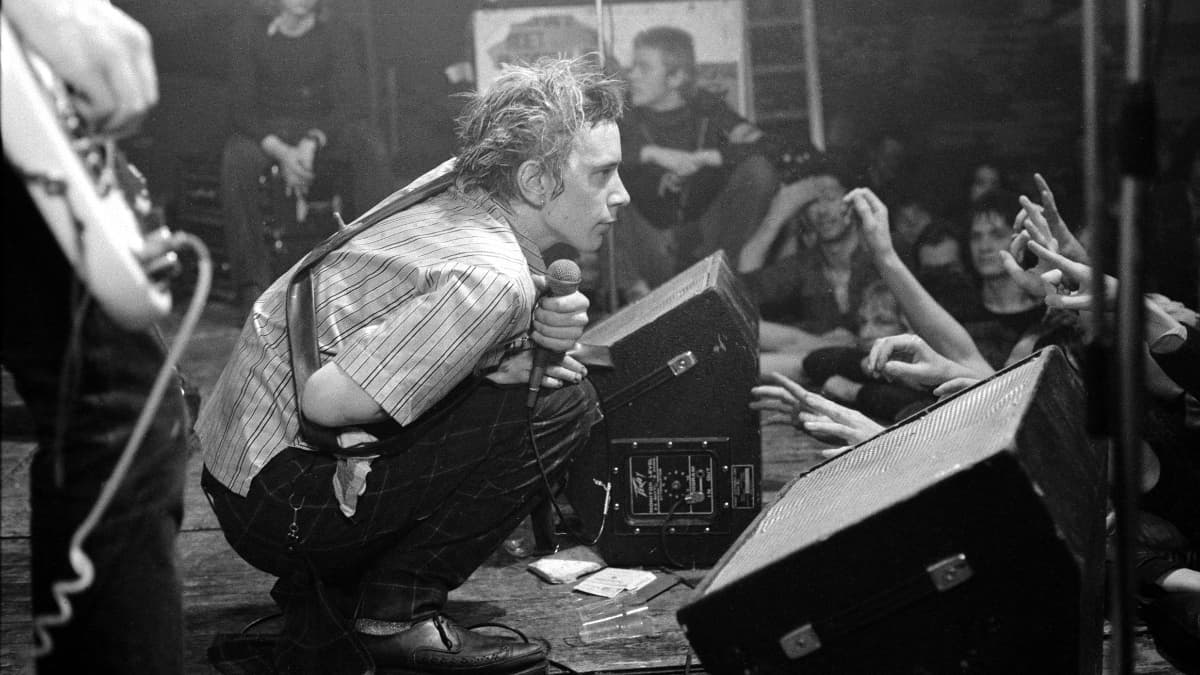
49 Years Ago, a Groundbreaking Punk Band Signed to Their Third Label in 9 Months, but One Finally Stuck
Companies Mentioned
Why It Matters
The saga shows how controversy and independent distribution can turn a censored punk record into a commercial breakthrough, reshaping label risk strategies and highlighting the power of countercultural branding.
Key Takeaways
- •Sex Pistols signed three labels in nine months before Virgin.
- •Virgin released 'Never Mind the Bollocks' amid legal controversy.
- •Album ban boosted sales at independent record stores.
- •Warner Bros. secured US distribution after Virgin deal.
- •Malcolm McLaren repeatedly renegotiated contracts across territories.
Pulse Analysis
The Sex Pistols' meteoric rise in 1976‑77 was as chaotic as their sound. After a two‑year deal with EMI produced the chart‑topping single "Anarchy in the U.K.", the label dropped the group in January 1977 over the incendiary image surrounding the pending "God Save the Queen." A brief, week‑long stint at A&M ended the same way, leaving the band label‑less and desperate. Even a French contract with Barclay and repeated rejections from CBS, Decca, Pye and Polydor underscored how mainstream companies feared the band’s anti‑establishment reputation.
Richard Branson’s Virgin Records seized the opportunity in May 1977, striking a deal that would become the label’s cultural touchstone. Branson rushed the release of "Never Mind the Bollocks, Here’s the Sex Pistols" to pre‑empt a competing French version and a bootleg titled *Spunk*. The album’s explicit cover and profanity prompted bans from major UK retailers, yet 125,000 advance orders already existed. The censorship paradoxically drove consumers to independent record shops, where the record sold out quickly, cementing Virgin’s reputation as a champion of rebellious music and proving that controversy can translate into commercial success.
The Sex Pistols saga illustrates how a band’s defiant image can reshape industry dynamics. Their turbulent label history forced major players to reconsider risk tolerance, while Virgin’s gamble demonstrated the profitability of aligning with countercultural movements. The episode also foreshadowed modern debates over streaming bans and artist‑label power balances, showing that censorship often fuels demand rather than suppresses it. Decades later, "Never Mind the Bollocks" remains a case study in leveraging controversy, independent distribution channels, and strategic timing to turn a niche rebellion into a lasting commercial and cultural milestone.
49 Years Ago, a Groundbreaking Punk Band Signed to Their Third Label in 9 Months, but One Finally Stuck
Comments
Want to join the conversation?
Loading comments...