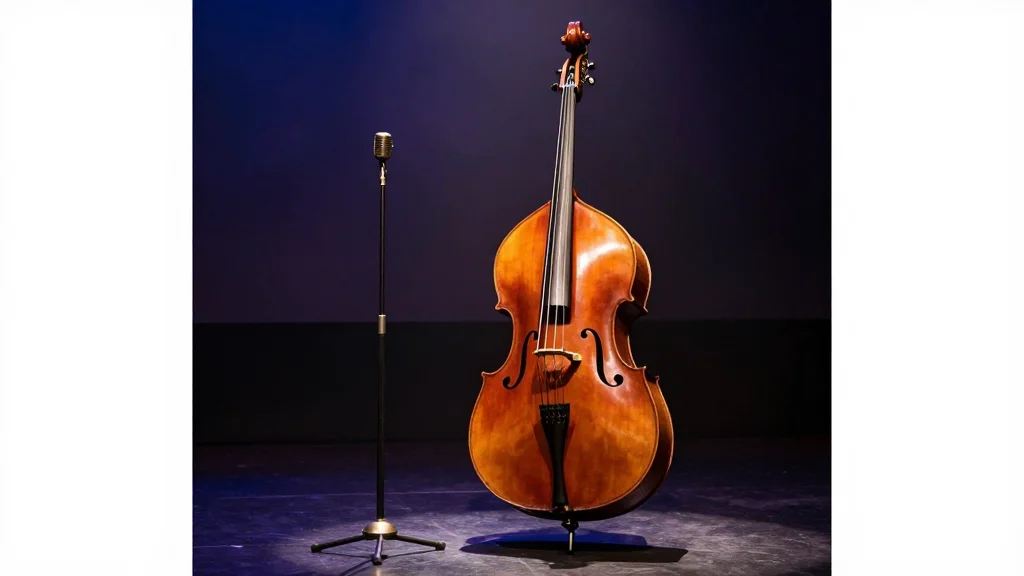
5 Minutes That Will Make You Love Ron Carter
Why It Matters
Carter’s milestone and instructional book amplify revenue streams for live jazz venues and streaming platforms while providing essential educational material for emerging bassists.
Key Takeaways
- •Ron Carter turns 89, celebrates with five-night Blue Note residency.
- •Guinness records over 2,200 official credits, the most for any bassist.
- •New book 'Chartography' dissects five live 'Autumn Leaves' solos with Miles Davis.
- •Transcriptions provide bassists a rare guide to low‑end harmonic innovation.
- •Carter’s legacy boosts streaming catalog sales and jazz education curricula.
Pulse Analysis
Ron Carter, the most‑recorded jazz bassist in history, celebrated his 89th birthday with a five‑night residency at Manhattan’s Blue Note. With over 2,200 official credits—a Guinness World Record—Carter’s work spans bebop, post‑bop, funk, classical, and gospel, shaping the sound of modern jazz ensembles. His meticulous approach to microphone placement and tone, honed in early studio sessions with Rudy Van Gelder, set a technical standard that engineers still reference today. His collaborations with Miles Davis, Herbie Hancock, and Wayne Shorter produced seminal recordings that continue to generate royalties and licensing revenue, underscoring his economic impact on the jazz publishing ecosystem.
The bassist’s latest release, “Chartography,” transcribes five live performances of “Autumn Leaves” with the Miles Davis Quintet, offering granular insight into his harmonic choices and rhythmic phrasing. By dissecting each solo, Carter provides a rare educational tool for bassists seeking to internalize the interplay between low‑end resonance and melodic invention. The book also includes Carter’s commentary on the evolution of recording technology, linking his early analog experiments to today’s digital workflows, which resonates with producers navigating vintage‑to‑modern sound integration. The book underscores his lifelong mission: ensuring the upright bass is heard clearly in any mix.
Carter’s milestone performances and his instructional book arrive at a time when streaming platforms are curating legacy jazz catalogs for new audiences. His presence on Blue Note draws both longtime aficionados and younger listeners, boosting ticket sales and reinforcing the commercial viability of live jazz experiences. Moreover, “Chartography” enriches music curricula, prompting conservatories to integrate his transcriptions into jazz improvisation courses, thereby extending his influence beyond the stage into academic settings. Industry analysts note that such high‑profile retrospectives can drive catalog sales, as listeners often explore an artist’s back‑list after attending live events, creating a virtuous cycle of revenue for record labels and streaming services.
5 Minutes That Will Make You Love Ron Carter
Comments
Want to join the conversation?
Loading comments...