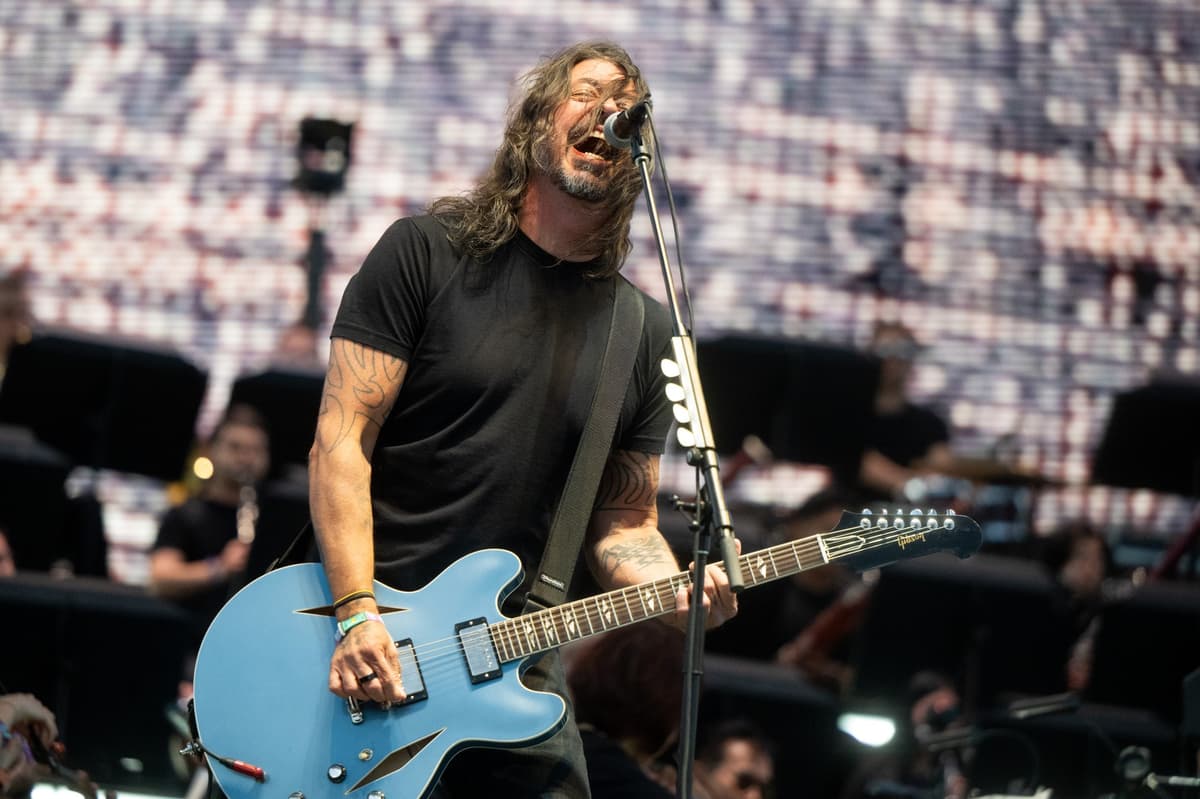
5 of the Best Dave Grohl Songs That Aren’t by the Foo Fighters or Nirvana
Why It Matters
Grohl’s diverse catalog demonstrates how established artists can leverage side projects to reach new audiences and sustain relevance in a fragmented streaming era. The tracks underscore the commercial and cultural value of cross‑genre collaborations for the modern music industry.
Key Takeaways
- •Dream Widow’s “March of the Insane” channels 80s blackened thrash metal.
- •Them Crooked Vultures’ “Scumbag Blues” showcases Grohl’s funk‑driven drumming.
- •Probot’s “Red War” features Max Cavalera, echoing Sepultura’s tribal sound.
- •Scream’s “God’s Look Down” marks Grohl’s early vocal foray in hardcore punk.
- •Tenacious D’s “Beelzeboss” highlights Grohl’s cameo as the Devil in a cult film.
Pulse Analysis
Dave Grohl’s post‑Nirvana trajectory reads like a masterclass in artistic diversification. While Foo Fighters dominate mainstream rock charts, his side ventures—ranging from the 80s‑inspired metal of Dream Widow to the supergroup chemistry of Them Crooked Vultures—showcase a deliberate push into niche subgenres. This breadth not only satisfies longtime fans but also taps into distinct streaming playlists, boosting catalog depth and algorithmic discoverability across platforms like Spotify and Apple Music.
Each highlighted track serves a strategic purpose. "March of the Insane" leverages Slayer‑style aggression to attract thrash enthusiasts, while "Scumbag Blues" blends funk rhythms with alt‑rock swagger, appealing to listeners craving groove‑heavy drumming. Probot’s "Red War" partners with Max Cavalera, bridging American rock fans to Brazil’s heavy‑metal legacy, and Scream’s "God’s Look Down" offers a rare glimpse of Grohl’s early vocal chops, enriching his hardcore pedigree. Tenacious D’s "Beelzeboss" capitalizes on cinematic novelty, reinforcing Grohl’s pop‑culture relevance beyond music.
For the industry, Grohl’s multi‑project model illustrates how legacy artists can monetize legacy while staying culturally current. By releasing genre‑specific tracks, he generates multiple revenue streams—royalties, sync licensing, and merch—without diluting his core brand. This approach encourages labels to nurture artist side projects as viable growth vectors, especially as streaming economics reward catalog breadth and cross‑genre playlist placement. Grohl’s continued experimentation thus sets a blueprint for sustaining relevance and profitability in today’s music ecosystem.
5 of the Best Dave Grohl Songs That Aren’t by the Foo Fighters or Nirvana
Comments
Want to join the conversation?
Loading comments...