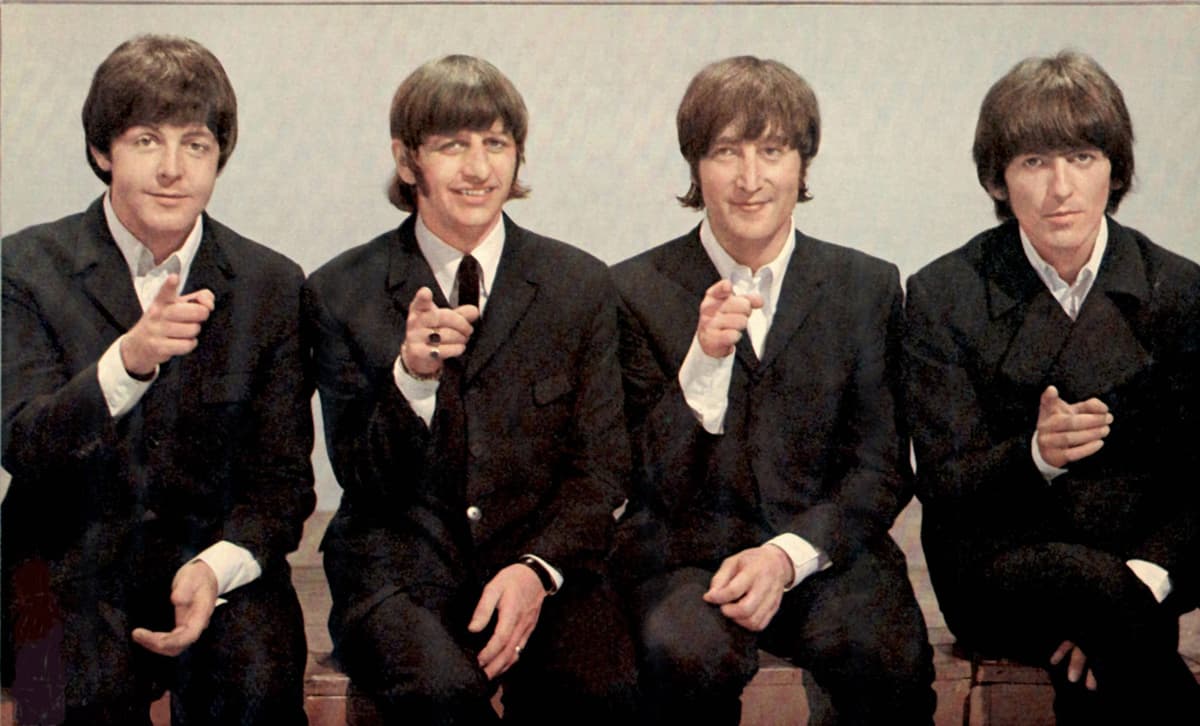
56 Years Ago Today, The Beatles Released Their Final Album, 'Let It Be'
Why It Matters
Let It Be’s enduring commercial performance shows how legacy recordings generate ongoing revenue, while the managerial vacuum that led to the Beatles’ split underscores the importance of strong business leadership in creative enterprises.
Key Takeaways
- •Let It Be debuted with hits “Get Back” and “Let It Be.”
- •Phil Spector’s orchestral overdubs provoked a public clash with Paul McCartney.
- •Album released weeks after Beatles announced breakup, intensifying fan interest.
- •Manager Brian Epstein’s death created a business power vacuum for the band.
- •Restored documentary and streaming deals keep the album’s revenue stream alive.
Pulse Analysis
The Beatles’ final studio statement, Let It Be, arrived on May 8, 1970, just weeks after the quartet formally announced their split. Featuring chart‑toppers such as “Get Back,” “Across the Universe,” and the eponymous “Let It Be,” the album was the only Beatles project overseen by legendary producer Phil Spector. Known for his “Wall of Sound,” Spector layered orchestral strings and choirs onto tracks like “The Long and Winding Road,” a decision that infuriated Paul McCartney and sparked a public dispute captured in contemporary press. The album’s mixed critical reception contrasted with its massive sales, cementing its place in pop culture.
The timing of the release amplified its commercial impact. The band’s manager, Brian Epstein, had died in 1967, leaving a leadership void that forced the members to assume business responsibilities they were ill‑prepared for. This power vacuum contributed to escalating interpersonal tensions and ultimately the breakup. From a corporate perspective, the lack of a unified management structure illustrates how fragile creative enterprises can become without clear governance, a lesson that resonates with today’s artist‑label relationships. The ensuing legal battles over publishing rights further highlighted the financial stakes of the split.
Decades later, Let It Be remains a revenue engine for the Beatles’ estate. The 2021 restored documentary’s debut on Disney+ opened a new streaming window, while periodic remasters and vinyl reissues continue to generate sales across physical and digital channels. The album’s enduring profitability underscores the long‑term value of iconic catalogs and the importance of strategic rights exploitation. For music executives, the Let It Be saga reinforces the need for robust management, clear production oversight, and proactive content revitalization to maximize legacy assets.
56 Years Ago Today, The Beatles Released Their Final Album, 'Let It Be'
Comments
Want to join the conversation?
Loading comments...