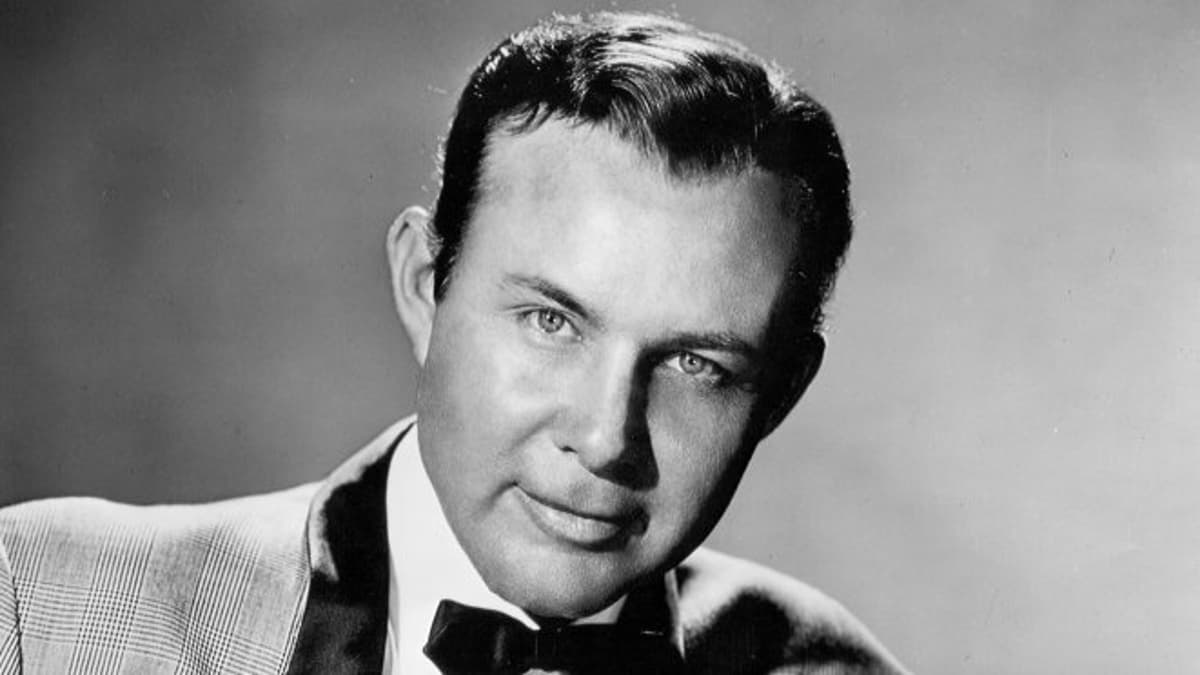
66 Years Ago, Jim Reeves Was at No. 1 for the Final Time in His Life With One of the Biggest Hits in Country Music History
Companies Mentioned
Billboard
Why It Matters
The record‑setting run demonstrated the power of crossover appeal and B‑side flips, reshaping how labels and radio programmers approached country releases and influencing chart dynamics for decades.
Key Takeaways
- •He’ll Have to Go topped Hot Country Songs 14 weeks in 1960
- •Song reached No. 2 on Billboard Hot 100, a rare crossover
- •Initially a B‑side, it eclipsed its A‑side after DJ spins
- •Set chart record, later tied by Locklin, broken by Owens
- •Jim Reeves’ final No. 1 before his 1964 fatal plane crash
Pulse Analysis
In the spring of 1960, Jim Reeves’ “He’ll Have to Go” captured the nation’s attention by dominating the newly consolidated Hot Country Songs chart for 14 consecutive weeks, a milestone that eclipsed previous records and set a benchmark for longevity. The song’s ascent was unconventional: RCA Victor released it as the B‑side to a modest ballad, yet disc jockeys quickly favored the smoother, more melodic track, illustrating how radio play could overturn label expectations and reshape a single’s destiny. This phenomenon underscored the growing influence of program directors in the early 1960s, a shift that would later empower artists to experiment with song placement and promotional strategies.
Beyond its country‑music triumph, “He’ll Have to Go” achieved a rare crossover, climbing to No. 2 on the Billboard Hot 100 and earning the No. 2 song of the year accolade. Its smooth, Nashville‑sound production appealed to pop audiences, signaling a broader trend where country artists sought mainstream acceptance without abandoning their roots. The success prompted record companies to invest in crossover-friendly arrangements, paving the way for future stars like Patsy Cline and later, Shania Twain, who leveraged similar strategies to expand their fan bases and revenue streams.
The song’s legacy extends past its chart performance. It marked Reeves’ final No. 1 before his tragic 1964 plane crash, cementing his status as a timeless voice in country music. The 14‑week record held until Buck Owens’ 16‑week run in 1963, illustrating the competitive nature of chart dominance during a period of rapid industry evolution. Today, “He’ll Have to Go” is studied as a case study in effective B‑side promotion, crossover potential, and the enduring impact of a single hit on an artist’s career trajectory and the genre’s commercial landscape.
66 Years Ago, Jim Reeves Was at No. 1 for the Final Time in His Life With One of the Biggest Hits in Country Music History
Comments
Want to join the conversation?
Loading comments...