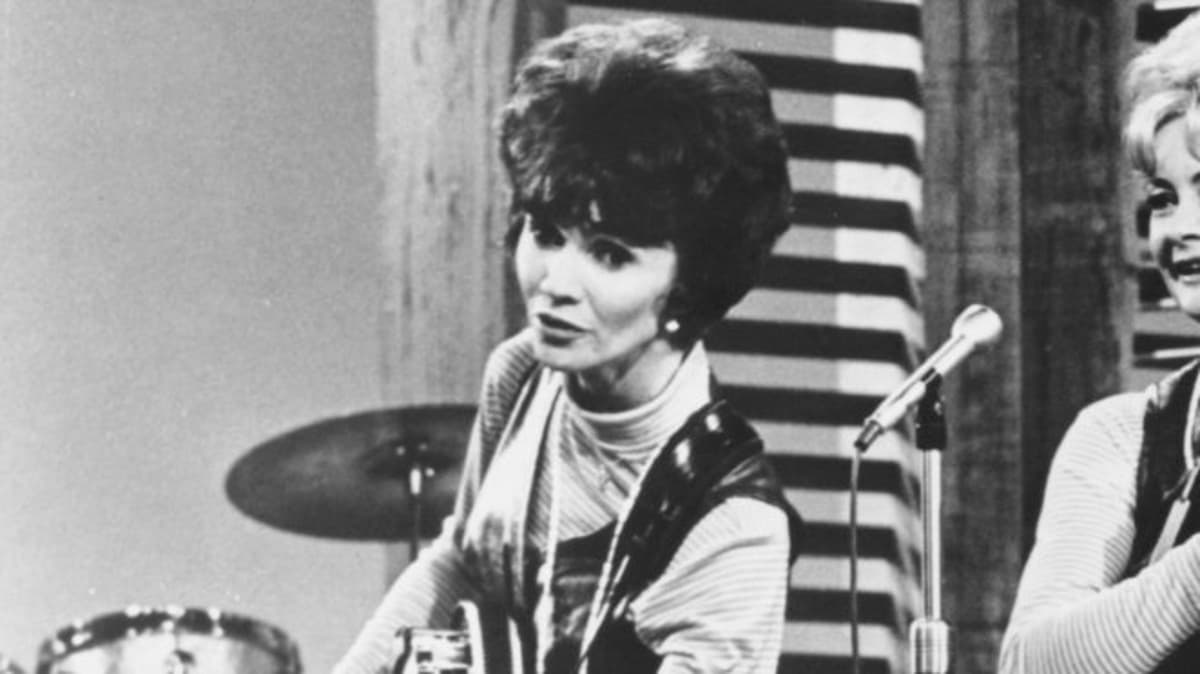
88 Years Ago, the “First Lady of the Banjo” Was Born—A Member of One of Country Music’s First Families
Why It Matters
Roni Stoneman’s breakthrough as a female banjo virtuoso and TV personality expanded the visibility of women in country and bluegrass, influencing subsequent generations of musicians and entertainers.
Key Takeaways
- •Roni Stoneman pioneered female banjo performance on bluegrass recordings
- •She helped popularize banjo through TV comedy on Hee Haw
- •The Stoneman family contributed to the historic 1927 Bristol Sessions
- •Their band won the inaugural CMA Vocal Group of the Year award
- •Roni’s Ida‑Lee Nagger character ran nearly two decades on Hee Haw
Pulse Analysis
The Stoneman family occupies a foundational place in American music history, with Ernest “Pop” Stoneman’s 1924 hit “The Sinking of the Titanic” paving the way for the legendary 1927 Bristol Sessions. Those sessions, often called the "Big Bang" of country, captured the Carter Family, Jimmie Rodgers, and the Stonemans, establishing a template for the genre’s storytelling and instrumentation. Roni’s upbringing in this environment gave her direct access to the evolving sounds of early country, positioning her to become a bridge between the genre’s roots and its mid‑century commercial expansion.
By the late 1950s Roni Stoneman entered the family band, contributing banjo expertise that helped the group secure the first CMA Vocal Group of the Year award in 1968. Her technical skill broke gender barriers; she was the first woman to record banjo on a bluegrass track, a milestone noted by the Turtle Hill Banjo Company. When she transitioned to television, her role as Ida‑Lee Nagger on Hee Haw showcased a rare blend of musicianship and comedy, exposing millions of viewers to the banjo’s bright timbre and reinforcing country music’s mainstream appeal.
Roni’s legacy extends beyond her on‑screen persona. She demonstrated that women could excel in traditionally male‑dominated instrumental roles, inspiring a wave of female banjoists and bluegrass artists in the decades that followed. Today, festivals and workshops frequently cite her as a trailblazer, and her influence is evident in the growing diversity of country line‑ups. As the industry continues to champion inclusivity, Stoneman’s story serves as a reminder that pioneering talent, when paired with broad media exposure, can reshape cultural narratives and sustain a genre’s relevance.
88 Years Ago, the “First Lady of the Banjo” Was Born—a Member of One of Country Music’s First Families
Comments
Want to join the conversation?
Loading comments...