Why It Matters
The release demonstrates how digital production can revitalize canonical works, attracting broader audiences and prompting a re‑examination of genre boundaries in classical music.
Key Takeaways
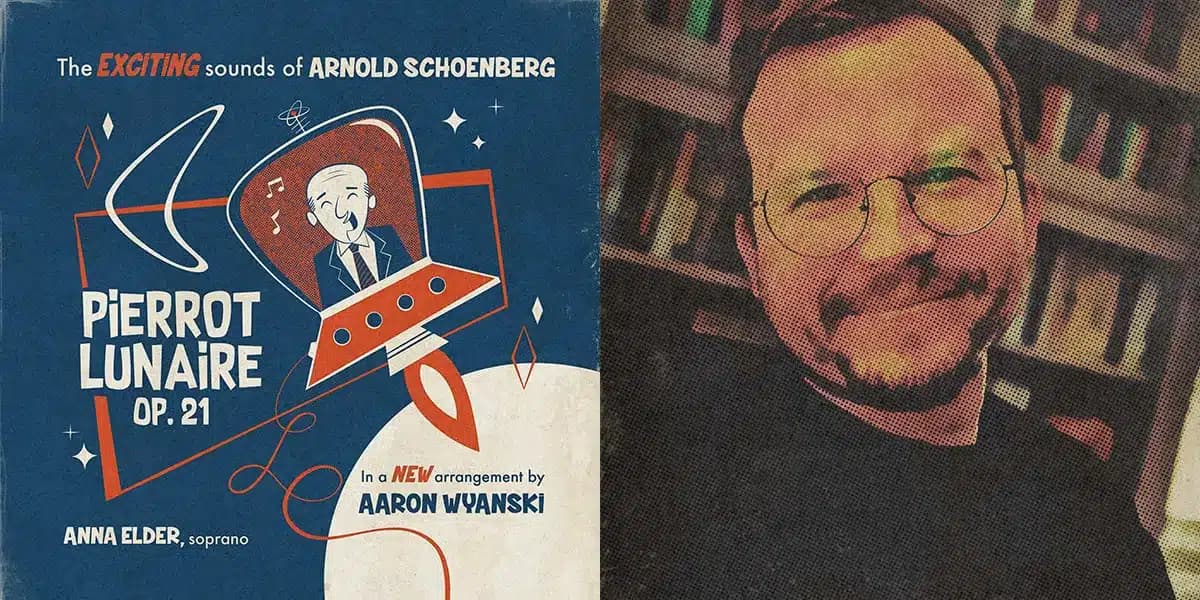
- •Wyanski reimagines Pierrot Lunaire as mid‑century lounge jazz
- •Anna Elder delivers demanding Sprechstimme vocals over jazz rhythm tracks
- •Production uses Logic, Pro Tools, virtual big‑band ensembles
- •Liner notes by Robert Carl frame the work as “alternative history”
- •Release may polarize purists but expands classical audience
Pulse Analysis
Aaron Wyanski’s reinterpretation of Schoenberg’s Pierrot Lunaire arrives at a moment when classical institutions are actively seeking ways to stay relevant. By transplanting the atonal, expressionist song cycle into a mid‑century lounge‑jazz soundscape, Wyanski creates a sonic paradox that challenges listeners’ expectations while preserving the work’s inherent tension. The project underscores a growing trend: leveraging contemporary production tools to re‑contextualize historic repertoire, thereby opening doors for listeners who might otherwise bypass early‑20th‑century modernism.
The album’s production hinges on a hybrid workflow that blends analog‑inspired instrumentation with digital precision. Using Logic and Pro Tools, Wyanski assembles virtual ensembles ranging from intimate combos to full‑swing big bands, layering bongo rolls, Latin percussion, and tiki‑lounge textures beneath the original pitch material. Anna Elder’s Sprechstimme performance navigates the notoriously demanding vocal lines, proving that modern vocalists can meet the technical rigor of Schoenberg while adapting to a jazz‑inflected rhythmic foundation. Robert Carl’s liner notes further contextualize the effort as an “alternative history,” inviting listeners to view the piece through a speculative, cross‑era lens.
From a market perspective, the record illustrates how genre‑blurring projects can expand classical music’s demographic reach. While purists may balk at the stylistic liberties, the album’s novelty is likely to attract jazz aficionados, soundtrack enthusiasts, and younger listeners attuned to genre mash‑ups. This crossover potential can translate into increased streaming numbers, festival bookings, and licensing opportunities, signaling a viable pathway for other composers and labels to reimagine canonical works without sacrificing artistic integrity. As digital distribution lowers barriers, such speculative recompositions may become a staple of 21st‑century classical programming.
Aaron Wyanski Boldly Rearranges Arnold Schoenberg
Comments
Want to join the conversation?
Loading comments...