Why It Matters
The misuse of a revered Brazilian song in a mass‑market ad illustrates the clash between cultural heritage and commercial exploitation, influencing how artists negotiate licensing and how audiences perceive foreign music.
Key Takeaways
- •Coca‑Cola used “Águas de Março” in 1985 Super Bowl ad
- •Original duet sold only 40,000 copies in Brazil
- •Jobim earned modest fee, not millions, from six‑month license
- •Ad replaced subtle bossa nova with macho rock anthem
- •Backlash highlighted fears of cultural commodification
Pulse Analysis
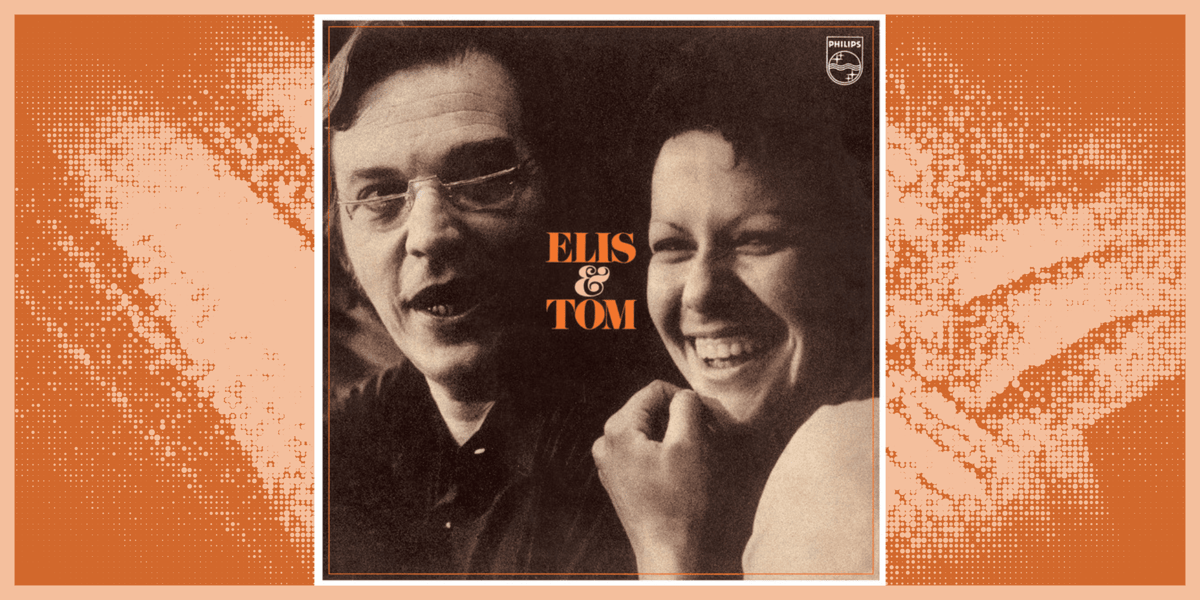
The 1974 recording of “Águas de Março” by Elis Regina and Antônio Carlos Jobim remains a touchstone of bossa nova, celebrated for its lyrical cascade of everyday images and a hypnotic bass line that mirrors Rio’s early autumn rains. Critics praise the duet’s playful call‑and‑response, where the singers trade verses that build a poetic inventory of sticks, stones, trees, and fleeting emotions. Though the album *Elis & Tom* initially moved only 40,000 units in Brazil, the song’s timeless melody eventually crossed borders, becoming a reference point for jazz aficionados and world‑music listeners alike.
When Coca‑Cola secured a six‑month license in 1985, the company transformed the gentle Brazilian ballad into a 60‑second, power‑rock jingle for its “Coke Is It!” campaign, debuting during the Super Bowl. The commercial swapped the original’s nuanced phrasing for bombastic slogans like “It’s awesome,” set against a montage of football players and flag‑waving soldiers. This stark re‑imagining ignited criticism from musicians and cultural commentators, who saw the ad as a commodification of a song rooted in Brazilian poetic tradition. Jobim’s modest compensation contrasted sharply with Coca‑Cola’s massive audience reach, underscoring the uneven power dynamics in music licensing.
The episode serves as a cautionary tale for artists navigating the lucrative but fraught world of corporate sync deals. While licensing can provide essential income, especially for aging musicians, it also risks diluting artistic intent and alienating core fan bases. The backlash against the Coke spot reinforced a broader conversation about cultural appropriation, the preservation of musical heritage, and the need for transparent, fair compensation structures. Today, “Águas de Março” endures as both a celebrated work of art and a reminder of the delicate balance between creative authenticity and commercial opportunity.
“Águas de Março”
Comments
Want to join the conversation?
Loading comments...