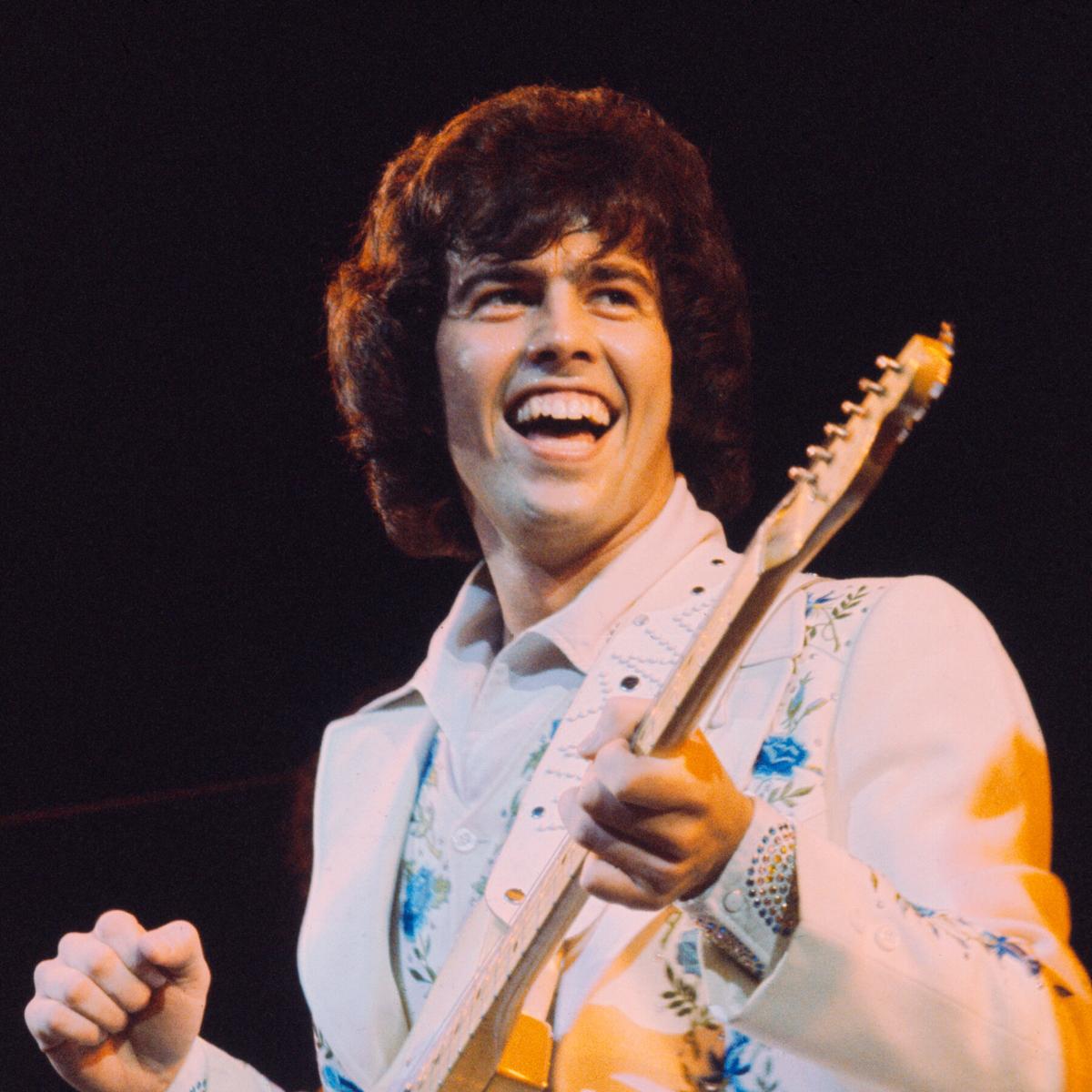
Alan Osmond, Who Led His Brothers in Song, Dies at 76
Companies Mentioned
Why It Matters
Osmond’s death marks the passing of a key figure in American pop culture, highlighting the lasting influence of family‑based acts on the music industry and nostalgia‑driven media.
Key Takeaways
- •Alan Osmond led the Osmonds from their 1950s beginnings.
- •He died at 76 from multiple sclerosis complications.
- •The group’s breakthrough came via The Andy Williams Show audition.
- •“One Bad Apple” cemented their 1970s pop legacy.
- •His 2024 autobiography details the family’s rise and challenges.
Pulse Analysis
The Osmond brothers emerged from the modest venues of 1950s Utah, turning church recitals and county fairs into a polished barbershop sound that caught the attention of national television. Their 1962 audition on The Andy Williams Show, secured by a chance recommendation, propelled the family into the living rooms of millions and set the stage for a decade of chart‑topping singles. By the early 1970s, hits such as “One Bad Apple” made the Osmonds a staple of American pop, illustrating how tightly‑knit family groups could dominate mainstream airwaves.
Alan Osmond, the eldest sibling, assumed the unofficial role of manager and vocal director, shaping the group’s repertoire and stage presence. His disciplined approach kept the brothers synchronized during relentless touring schedules and television appearances, fostering a brand that blended wholesome family values with polished pop production. Despite his public success, Alan battled multiple sclerosis for years, a struggle he disclosed in his 2024 memoir “One Way Ticket.” The book offers candid insight into the pressures of fame, health challenges, and the internal dynamics that sustained the Osmonds through changing musical eras.
The Osmonds’ trajectory underscores the commercial viability of family‑centric acts, a model that resurfaces in contemporary reality‑TV competitions and streaming playlists. Alan’s passing reminds industry executives that legacy brands can be revitalized through biographical projects, archival releases, and targeted nostalgia marketing. As streaming algorithms favor recognizable names, the Osmond catalog continues to generate royalties, while their story fuels documentaries and tribute tours. Understanding how Alan’s leadership translated into a sustainable brand offers valuable lessons for emerging artists seeking longevity beyond fleeting chart success.
Alan Osmond, Who Led His Brothers in Song, Dies at 76
Comments
Want to join the conversation?
Loading comments...