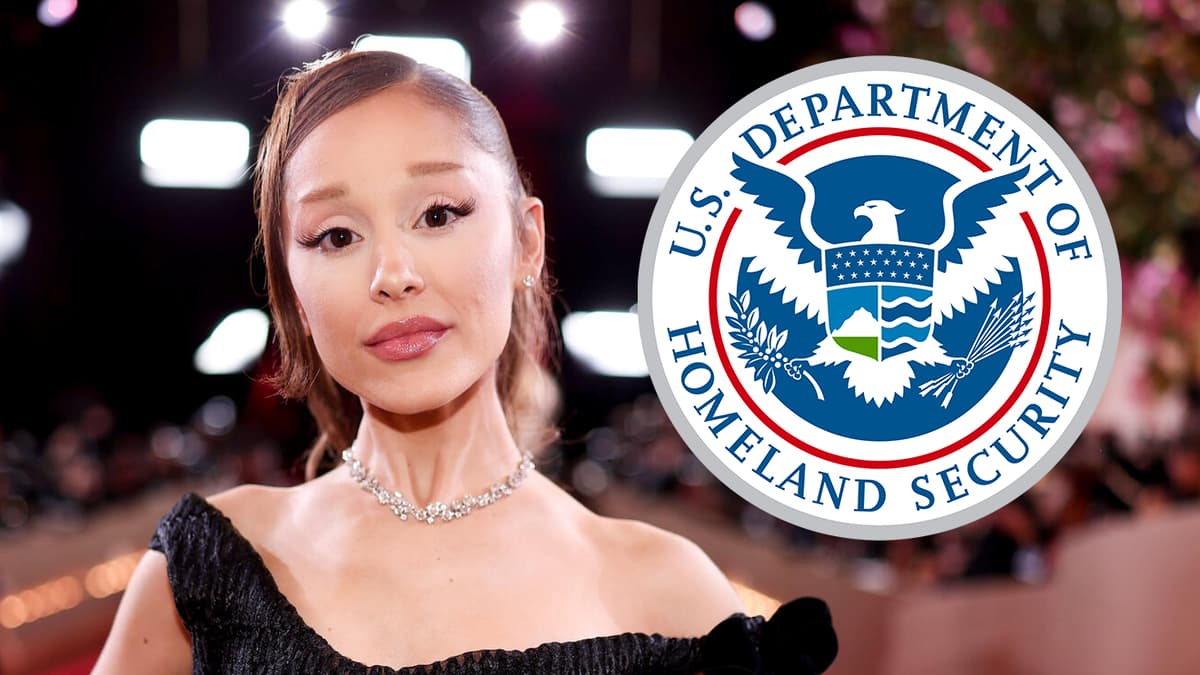
Ariana Grande Slams Trump’s ICE Video Using Her Song As “Barbaric, Inhumane, Heinous Nonsense”
Why It Matters
The clash highlights growing political risk for brands that co‑opt popular music without consent, and underscores mounting public resistance to aggressive immigration enforcement measures championed by the Trump administration.
Key Takeaways
- •Grande demanded removal of her song from ICE‑related video
- •White House defended policy, blaming undocumented immigrants
- •Secure America Act adds fresh funding for ICE operations
- •Multiple artists publicly reject political use of their music
Pulse Analysis
The controversy began when the White House released a TikTok clip that paired Ariana Grande’s 2024 hit “Bye” with visuals promoting the Secure America Act, a Trump‑signed bill earmarking billions for ICE and Border Patrol. Grande’s swift response—calling the use of her music "barbaric, inhumane, heinous nonsense"—echoes a broader pattern where artists object to their work being leveraged for political messaging they do not endorse. By publicly demanding the removal of her track, Grande not only protects her brand but also forces the administration to confront the legal and reputational fallout of unlicensed music usage.
The incident arrives at a volatile moment for U.S. immigration policy. The Secure America Act expands ICE’s budget at a time when the agency faces intense scrutiny after the killings of U.S. citizens Alex Pretti, Renee Good, and Keith Porter Jr. Public backlash, amplified by high‑profile artists, threatens to erode support for the administration’s hard‑line stance. Moreover, the White House’s defensive rhetoric—characterizing undocumented immigrants as the true source of “barbaric” behavior—has intensified partisan debates and may influence congressional deliberations on further funding.
Grande’s stand joins a growing chorus of musicians, including Olivia Rodrigo, Sabrina Carpenter, and Jess Glynne, who have taken legal or public-action routes to prevent unauthorized political exploitation of their songs. This trend signals a shift toward tighter control over music licensing, as artists leverage social media to rally fans and pressure policymakers. Companies now face heightened scrutiny to secure proper clearances, and failure to do so can result in costly lawsuits and brand damage. As the entertainment industry tightens its grip on intellectual property, political campaigns will need to navigate a more complex landscape to avoid similar confrontations.
Ariana Grande Slams Trump’s ICE Video Using Her Song As “Barbaric, Inhumane, Heinous Nonsense”
Comments
Want to join the conversation?
Loading comments...