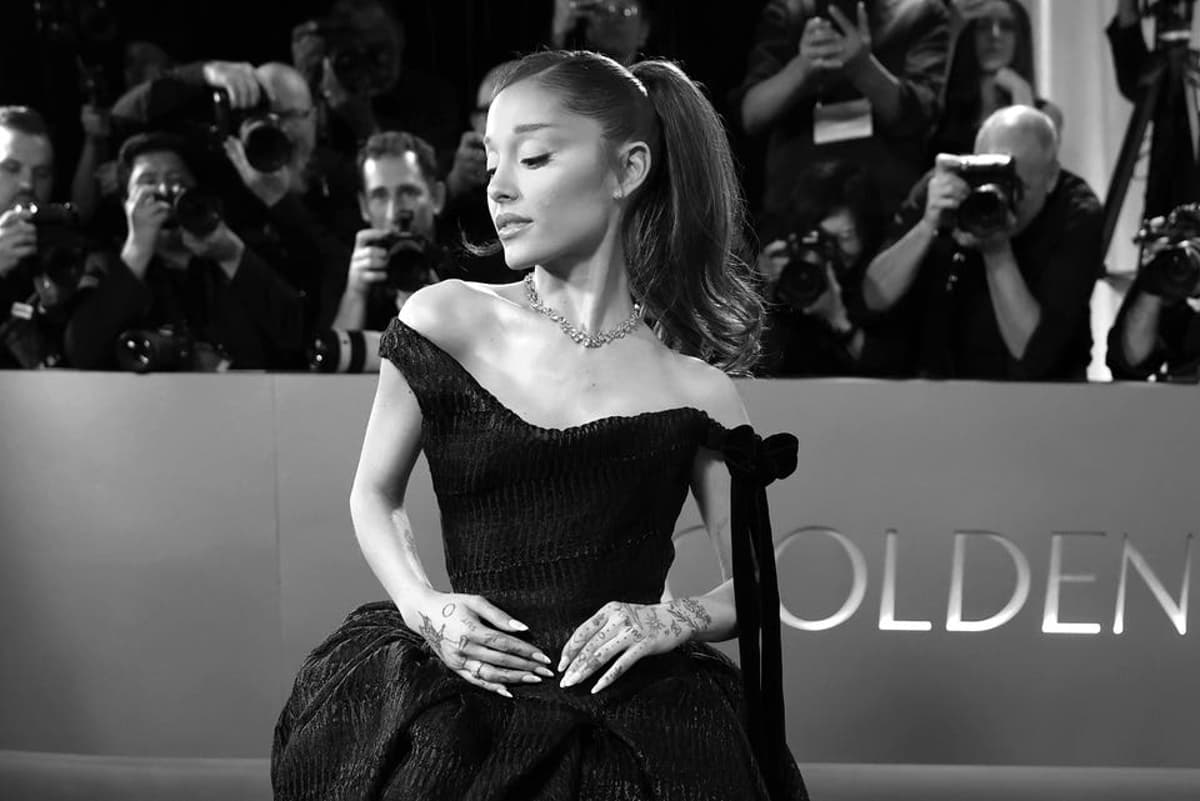
Ariana Grande’s New Single Is A Bold Business Declaration Betting On Talent
Companies Mentioned
Why It Matters
Grande’s public rejection of the traditional fan‑engagement model reshapes how top artists monetize their brand, emphasizing diversified revenue over streaming dependence. The move could prompt industry peers to adopt similar cross‑media strategies, altering talent‑management and label investment priorities.
Key Takeaways
- •Grande's single signals shift from pop charts to theatrical ventures
- •Song critiques parasocial fandom, challenging industry’s fan‑engagement model
- •Collaboration with Max Martin ensures commercial quality despite artistic pivot
- •Upcoming roles in film, TV, and West End diversify revenue streams
- •Grande bets on vocal talent over streaming metrics for long‑term brand
Pulse Analysis
Ariana Grande’s release of “Hate That I Made You Love Me” marks a deliberate pivot from pure streaming‑driven pop to a broader entertainment portfolio. By pairing the track with longtime hit‑makers Max Martin and Ilya, she guarantees radio‑friendly production while signaling that the song is a vehicle for a larger narrative. The lyrical focus on the burdens of a hyper‑connected fanbase serves as a public acknowledgment that the traditional parasocial model is reaching its limits. This move positions Grande as a brand architect who can leverage her vocal prowess across music, theater, film, and television.
The industry has seen a surge in artists turning their personal brands into multi‑channel enterprises, yet few have confronted the fan‑relationship head‑on. Grande’s candid critique disrupts the expectation that stars must constantly nurture a curated intimacy to sustain streaming numbers. By openly questioning the sustainability of that dynamic, she creates space for alternative revenue models such as live theater, premium streaming series, and licensing deals. This approach mirrors the broader shift toward experiential content, where audiences pay for curated performances and narrative depth rather than merely clicking ‘play’ on a single track.
From a financial perspective, diversifying into film, television, and West End productions reduces reliance on volatile streaming royalties and opens higher‑margin income streams such as box‑office splits, syndication fees, and premium theater ticket sales. Grande’s upcoming roles—including a comedy sequel with Robert De Niro, a horror anthology appearance, and a Sondheim revival—illustrate a calculated risk‑return profile that aligns with long‑term brand equity growth. If successful, her strategy could inspire other top‑chart artists to re‑evaluate the traditional pop‑centric career path, potentially reshaping talent‑management contracts and prompting labels to invest more heavily in cross‑media development.
Ariana Grande’s New Single Is A Bold Business Declaration Betting On Talent
Comments
Want to join the conversation?
Loading comments...