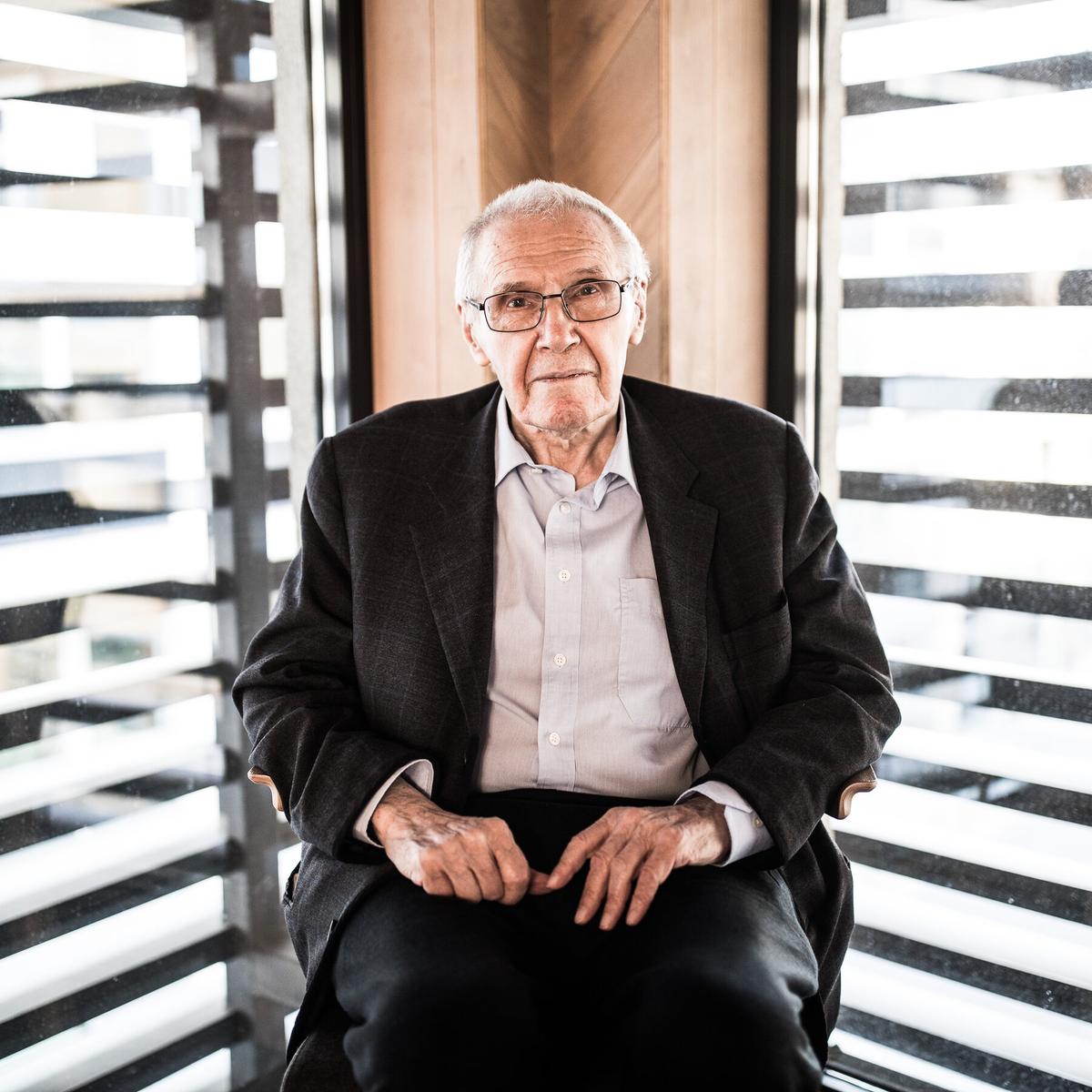
At 100, György Kurtág Is Still Searching for the Right Note
•March 10, 2026
0
Why It Matters
Kurtág’s ongoing productivity redefines expectations for artistic longevity, inspiring both creators and institutions in the classical music sector. His presence underscores the market value of contemporary works by veteran composers.
Key Takeaways
- •Kurtág turned 100, still composing and teaching.
- •Hearing loss hasn't halted his creative output.
- •Wife Márta's influence persists in his recent works.
- •Few composers, like Elliott Carter, reach active centenarian status.
- •Budapest honored him with concert and cake featuring “Flowers We Are.”
Pulse Analysis
György Kurtág’s centennial celebration in Budapest underscores a rarity in the classical world: a living composer who not only reaches 100 but remains artistically active. While most twentieth‑century maestros retired decades earlier, Kurtág joins a handful of peers such as Elliott Carter in defying age‑related expectations. His oeuvre, marked by microscopic precision and emotional intensity, has shaped post‑war avant‑garde music across Europe, influencing a generation of pianists, conductors, and young composers who study his concise forms and harmonic daring.
Despite progressive hearing loss and the recent death of his lifelong partner Márta, Kurtág’s creative engine shows no signs of stalling. Recent recordings, including the piano piece “Flowers We Are,” reveal a continued fascination with texture and silence, hallmarks of his earlier “Játékok” series. His teaching at the Franz Liszt Academy remains meticulous, emphasizing ear training and micro‑interval exploration, which reflects his belief that compositional rigor can outlast physical limitations. The partnership with Márta, evident in their joint Bach arrangement, still informs his aesthetic choices.
The broader impact of Kurtág’s longevity extends beyond personal achievement; it challenges industry assumptions about the productive lifespan of composers. Record labels and concert programmers now view centenarian works as viable repertoire, opening new licensing and streaming opportunities. Moreover, his perseverance offers a narrative of artistic resilience that resonates with audiences seeking authenticity in an era of rapid digital turnover. As institutions archive his manuscripts and scholars publish critical editions, Kurtág’s legacy will likely shape contemporary classical curricula for decades to come.
At 100, György Kurtág Is Still Searching for the Right Note
0
Comments
Want to join the conversation?
Loading comments...