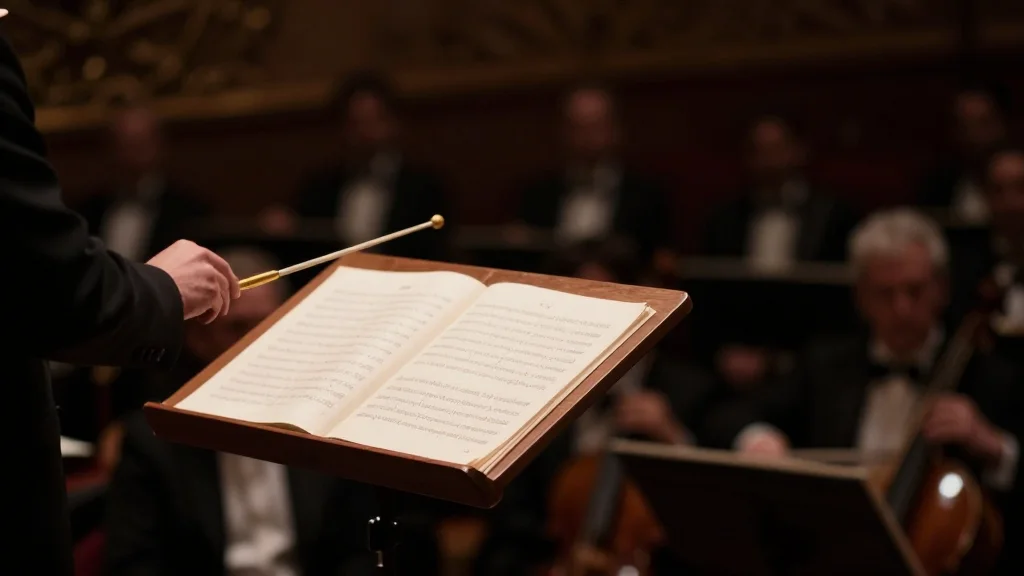
At the Kennedy Center, the National Symphony’s Show Goes On
Why It Matters
The show highlights the logistical strain on major arts institutions when flagship venues close for extensive upgrades, testing the resilience of resident ensembles and their ability to maintain audience engagement.
Key Takeaways
- •National Symphony performed Puccini’s Il Trittico at Kennedy Center
- •Conductor Gianandrea Noseda called it Puccini’s highest work
- •Performance faced rehearsal gaps; singers needed prompting
- •Kennedy Center slated for two‑year renovation, closing summer 2026
- •NSO will take the production to Carnegie Hall next week
Pulse Analysis
Puccini’s Il Trittico, a rare triple‑opera package, demands a full orchestra, three distinct casts and elaborate staging—requirements that push even seasoned ensembles to their limits. Noseda’s interpretation aimed to condense each act into a 50‑minute vignette, preserving the composer’s dramatic arc while fitting a concert‑hall format. Critics noted that the National Symphony’s execution faltered on “Il Tabarro” and “Suor Angelica,” where instrumental nuances and vocal timing suffered from insufficient rehearsal, yet the final act, “Gianni Schicchi,” sparked the orchestra’s full color.
The Kennedy Center’s impending two‑year, $500 million renovation adds a layer of urgency to the performance. As the nation’s premier cultural hub prepares to close its doors for structural upgrades, resident groups like the National Symphony must balance artistic ambition with practical constraints. By presenting Il Trittico now, the orchestra not only offers a high‑profile farewell but also leverages the production as a touring asset, scheduling a Carnegie Hall run that keeps the work in the public eye while the home venue undergoes transformation.
For American opera houses, the episode underscores a broader trend: large‑scale works are increasingly viewed through a logistical lens, where budget, venue availability, and audience retention intersect. Successful navigation of such challenges can reinforce an institution’s reputation for artistic daring, whereas missteps risk eroding patron confidence. As cultural leaders plan post‑renovation programming, the lesson from the Kennedy Center shows that strategic scheduling, robust rehearsal cycles, and flexible touring plans are essential to sustain high‑caliber operatic offerings in a competitive entertainment landscape.
At the Kennedy Center, the National Symphony’s Show Goes On
Comments
Want to join the conversation?
Loading comments...