Audrey Hobert’s Beauty Secrets? Water, Lip Gloss and Gum
•March 11, 2026
0
Why It Matters
Hobert’s candid routine signals a consumer pivot toward minimalist, authentic beauty, influencing both brand collaborations and retail trends. The endorsement of clean, low‑effort products amplifies demand for sustainable cosmetics in the entertainment sector.
Key Takeaways
- •Water touted as Hobert's primary beauty staple
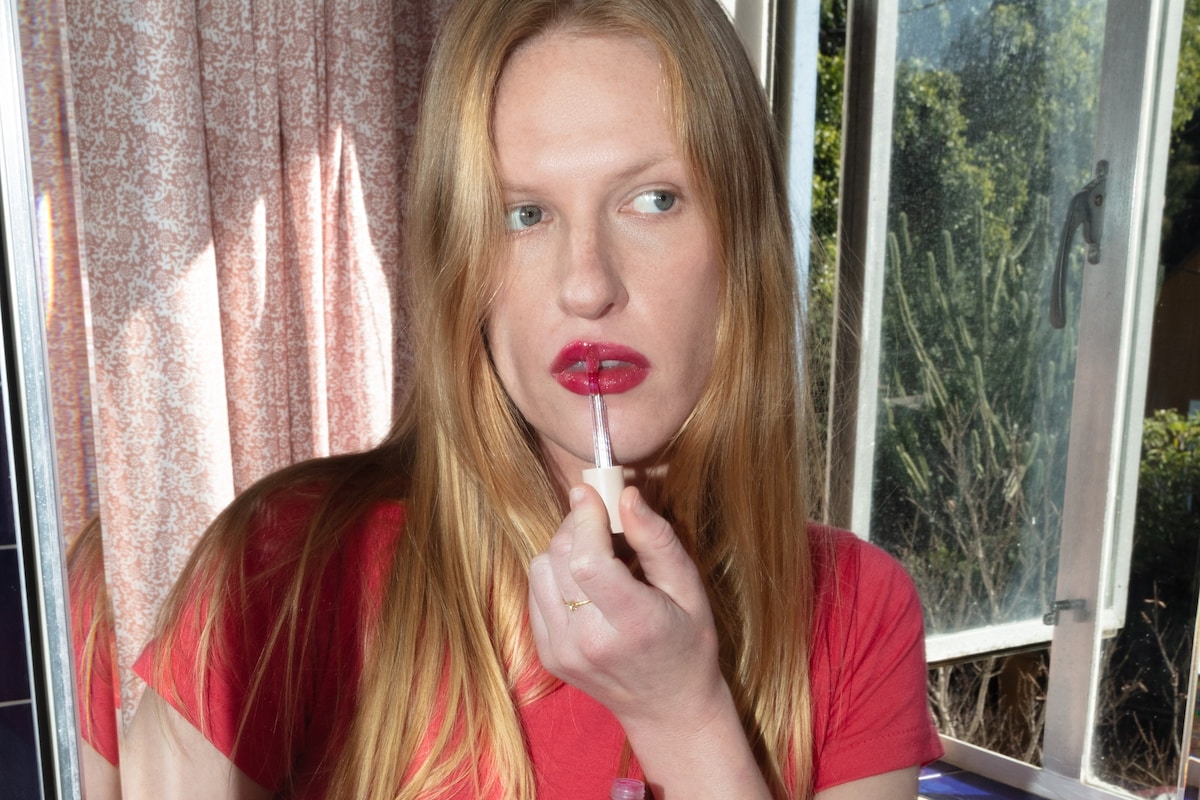
- •ILIA Overglaze lip gloss featured in her tour bag
- •Embraces 'low effort chic' over polished popstar looks
- •Highlights spontaneous beauty inspiration from everyday people
- •Promotes nightly skincare consistency despite hectic touring
Pulse Analysis
The rise of "low effort chic" reflects a cultural fatigue with hyper‑curated aesthetics, especially among Gen Z and millennial audiences. Influencers like Audrey Hobert leverage simple staples—water, gum, a single lip gloss—to convey authenticity, prompting brands to streamline product lines and focus on multi‑use formulas. This minimalist narrative resonates on social platforms where quick, relatable content outperforms elaborate tutorials, reshaping how beauty marketers allocate spend toward bite‑sized, user‑generated storytelling.
Hobert’s collaboration with ILIA, a clean‑beauty pioneer, illustrates the strategic value of artist‑brand partnerships that prioritize sustainability and inclusivity. ILIA’s Overglaze lip gloss, praised for its non‑toxic pigments and refillable packaging, aligns with the artist’s ethos of effortless elegance. Such alliances enable cosmetics companies to tap into niche fan bases, driving incremental sales while reinforcing brand credibility through genuine endorsement rather than traditional celebrity contracts.
Industry analysts note that this authenticity‑driven model could redefine retail shelf space, favoring compact, travel‑friendly products over bulky kits. As touring artists adopt minimalist routines, retailers may see increased demand for multifunctional items that suit on‑the‑road lifestyles. Consequently, supply chains are adapting to faster, smaller‑batch production, and marketing teams are crafting narratives that celebrate real‑life usage, positioning minimalism as both a lifestyle choice and a commercial opportunity.
Audrey Hobert’s beauty secrets? Water, lip gloss and gum
0
Comments
Want to join the conversation?
Loading comments...