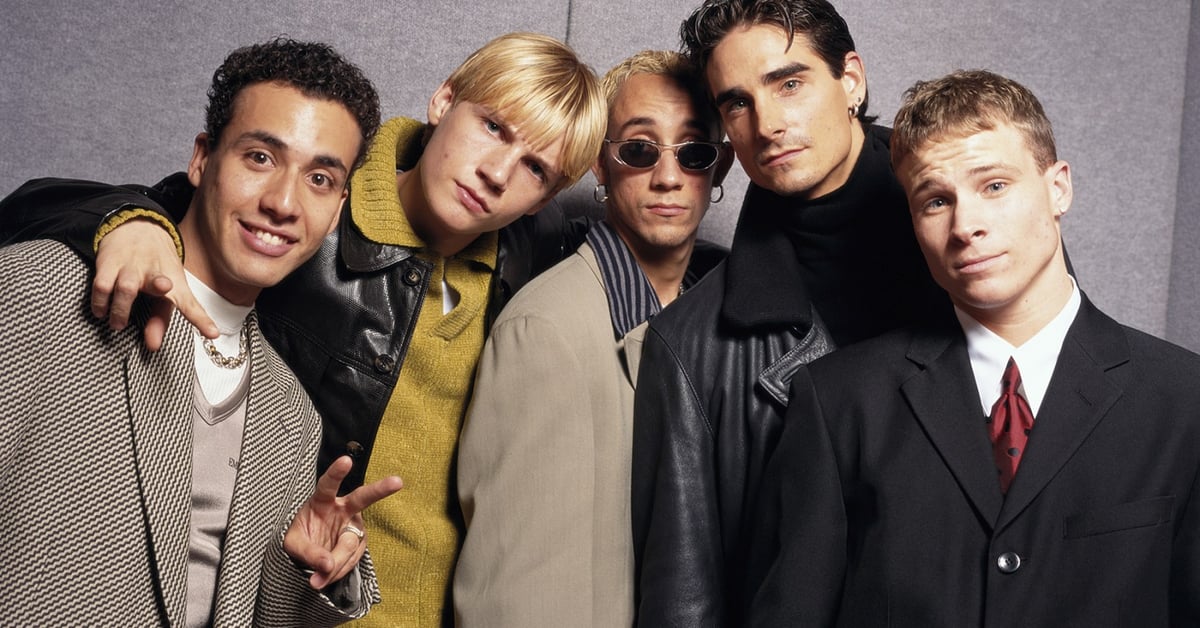
Backstreet Boys’ Ex Manager Admits to Undermining Band to Help ‘NSYNC: ‘I’m Going to Turn All My Guns Against You’
Why It Matters
The revelation underscores how a manager’s strategic choices can reshape the fortunes of rival artists, offering a cautionary tale for modern talent representation and highlighting the lasting impact of early‑2000s music‑industry exploitation.
Key Takeaways
- •Johnny Wright admitted sabotaging Backstreet Boys to boost ‘NSYNC
- •Docuseries 'Boy Band Confidential' airs April 13‑14 on Investigation Discovery
- •Wright swapped Backstreet’s stadium dates for NSYNC arena shows
- •Lou Pearlman's fraud lawsuits highlight early 2000s music industry exploitation
- •Revealed rivalry reshapes nostalgia marketing for legacy pop acts
Pulse Analysis
The new Investigation Discovery docuseries "Boy Band Confidential" pulls back the curtain on the fierce competition that defined the late‑1990s pop landscape. By featuring candid interviews with Joey Fatone, Lance Bass, AJ McLean and others, the series illustrates how Johnny Wright, a manager with a résumé that includes Britney Spears and the Jonas Brothers, chose to prioritize ‘NSYNC over his former client, the Backstreet Boys. His tactics—reassigning award‑show slots, re‑booking tours, and pre‑empting venue negotiations—demonstrate the outsized influence a single manager can wield in an industry driven by timing and exposure.
Beyond the sensational anecdotes, Wright’s confession raises broader questions about the fiduciary duties of talent managers. In an era when record labels and managers often controlled publishing rights and touring logistics, the Backstreet‑NSYNC saga exemplifies how conflicts of interest can directly affect an artist’s revenue stream and brand trajectory. Modern managers now operate under stricter contractual transparency and ethical guidelines, yet the story serves as a reminder that strategic bias can still tilt market share, especially in the streaming age where playlist placement and social media momentum are paramount.
The fallout from these revelations also reverberates through today’s nostalgia economy. Both boy bands continue to command lucrative reunion tours and streaming royalties, and the renewed scrutiny of past management practices may influence fan perception and merchandising strategies. As documentaries like this reshape the narrative around iconic acts, industry stakeholders—from label executives to legacy tour promoters—must reckon with the historical power dynamics that helped forge pop culture’s biggest successes, ensuring future collaborations prioritize artist autonomy and equitable profit sharing.
Backstreet Boys’ Ex Manager Admits to Undermining Band to Help ‘NSYNC: ‘I’m Going to Turn All My Guns Against You’
Comments
Want to join the conversation?
Loading comments...