Billie Eilish Defends Political Activism: ‘Why Is It Controversial to Step In When Someone’s Getting Bullied?’
Why It Matters
Eilish’s high‑profile dissent signals that top‑tier musicians are willing to risk brand relationships to shape public policy debates, amplifying the power of celebrity activism in a polarized political climate.
Key Takeaways
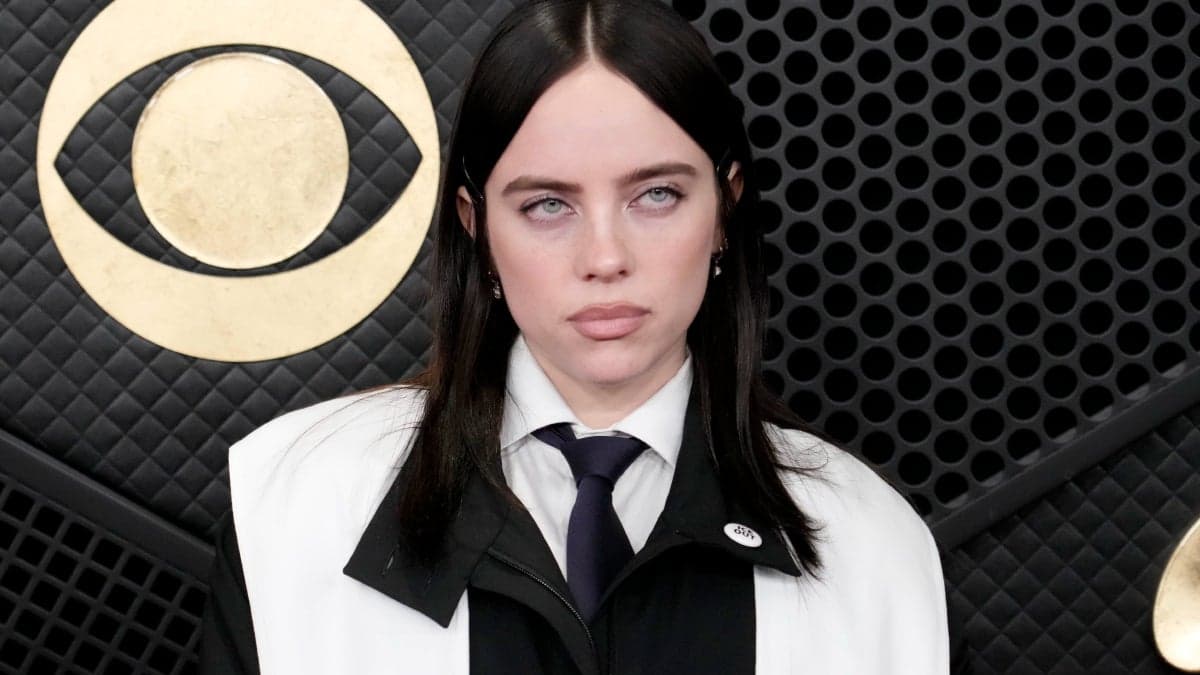
- •Eilish wore an “ICE OUT” pin at the 2026 Grammys
- •She used her Song of the Year speech to denounce ICE
- •Criticized Elon Musk as he neared trillion‑dollar net worth
- •Called out billionaire wealth disparity at WSJ Innovator Awards
Pulse Analysis
Billie Eilish’s recent interview with Elle and her Grammy appearance underscore a growing trend of artists leveraging massive fan bases to influence political discourse. By brandishing an “ICE OUT” pin and delivering a profanity‑laden critique of immigration enforcement on a global broadcast, she turned a music award ceremony into a platform for policy advocacy. This move aligns with a broader wave of celebrity activism that blurs the line between entertainment and civic engagement, especially as younger audiences expect public figures to take clear stances on social issues.
The fallout from Eilish’s statements illustrates the delicate balance artists must strike between authenticity and commercial viability. Record labels, sponsors, and streaming services monitor such outbursts closely, weighing potential backlash against the loyalty of a socially conscious fanbase. While some brands may distance themselves to avoid controversy, others are capitalizing on the artist’s unapologetic voice to appeal to progressive consumers. The net effect is a recalibration of partnership strategies, where alignment with activist values can become a differentiator in a crowded market.
Eilish’s targeting of high‑profile billionaires like Elon Musk and Mark Zuckerberg reflects a wider cultural pushback against concentrated wealth and perceived corporate irresponsibility. By calling out Musk as he nears a trillion‑dollar valuation, she taps into public frustration over wealth inequality and the social responsibilities of tech moguls. This rhetoric resonates beyond the music industry, feeding into ongoing debates about regulation, philanthropy, and the role of celebrity influence in shaping policy outcomes. As more artists adopt similar tactics, the intersection of pop culture and politics is likely to become an even more potent force in shaping public opinion.
Billie Eilish Defends Political Activism: ‘Why Is It Controversial to Step In When Someone’s Getting Bullied?’
Comments
Want to join the conversation?
Loading comments...