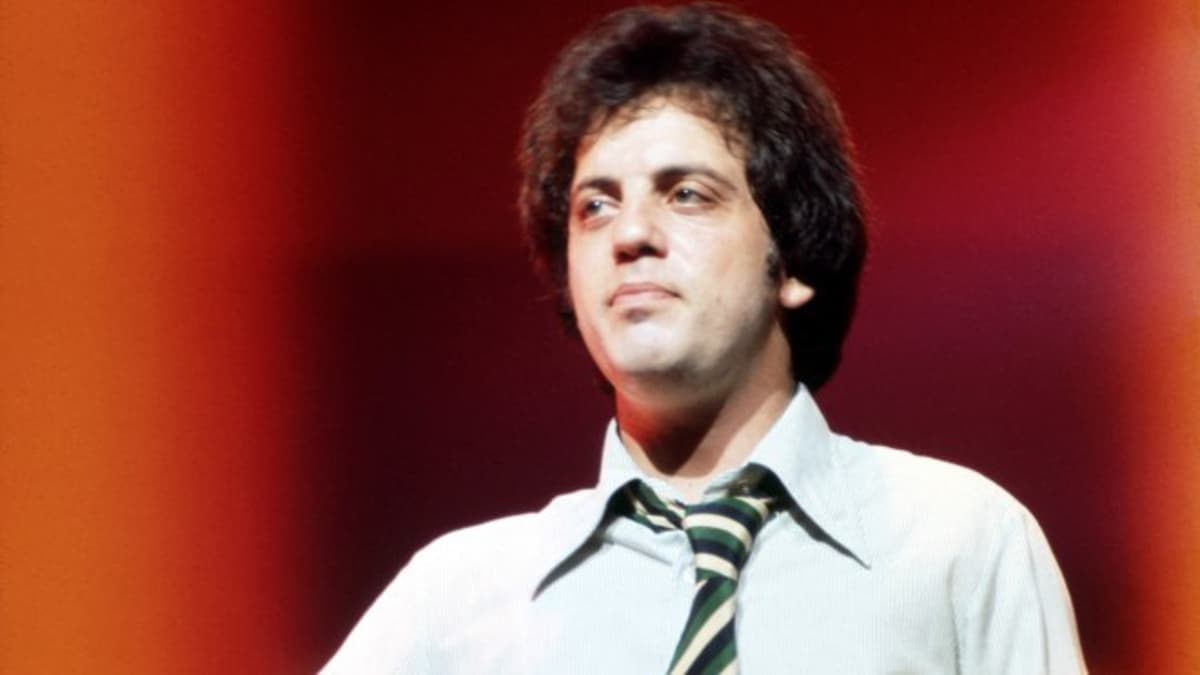
Billy Joel Rarely Played This Hit for 25 Years Because It Was Too Painful
Why It Matters
Joel’s decision to shelve and later revive the song illustrates how personal experiences influence setlist strategy, affecting fan perception and an artist’s brand longevity. It also shows the music industry’s balance between authentic storytelling and commercial expectations.
Key Takeaways
- •Song peaked Top 20 in 1978, becoming a fan favorite
- •Joel stopped performing it live from 1980 to 2005
- •Lyrics defend his first wife, Elizabeth Weber Small
- •Return to setlist included a joke about their divorce
- •Track remains on bestselling *The Stranger* album
Pulse Analysis
Billy Joel’s “She’s Always A Woman” occupies a unique spot in the late‑1970s rock canon, emerging from *The Stranger*—an album that delivered multiple chart‑topping singles and solidified Joel’s status as a mainstream songwriter. The track’s lyrical blend of affection and critique resonated with listeners, propelling it into the Top 20 and cementing its place on classic‑rock playlists. Its inclusion on one of the best‑selling records of the era underscores how a single song can amplify an album’s cultural footprint, driving both record sales and long‑term streaming revenue.
Behind the music, the song served as a personal ode to Joel’s first wife, Elizabeth Weber Small, who also managed his career. Their tumultuous relationship, marked by a public divorce in 1982, turned the track into a source of emotional discomfort for the artist. Consequently, Joel removed it from his live shows for a quarter‑century, a rare move for a hit that fans expected at concerts. This hiatus illustrates how personal narratives can dictate performance choices, even when commercial incentives suggest otherwise.
Joel’s eventual reintroduction of the song—accompanied by a candid remark about the divorce—demonstrates a strategic recalibration of his brand. By acknowledging past pain openly, he re‑engaged longtime fans while framing the song within a broader story of growth and resilience. In today’s music market, where setlist curation and authenticity are pivotal, Joel’s experience offers a case study in balancing personal truth with audience demand, reinforcing the importance of narrative control for legacy artists.
Billy Joel Rarely Played This Hit for 25 Years Because It Was Too Painful
Comments
Want to join the conversation?
Loading comments...