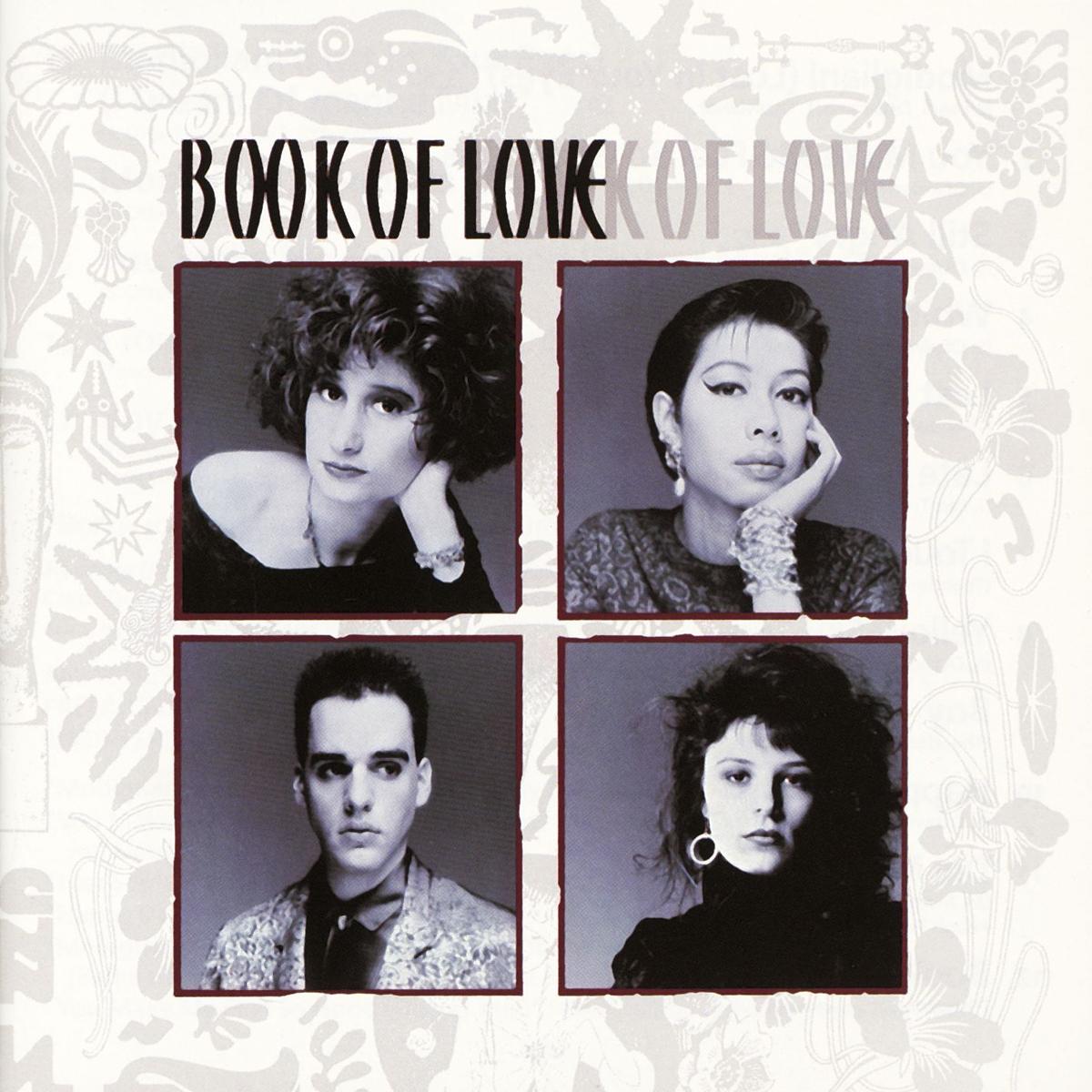
Why It Matters
The album proved that understated production and queer representation could thrive in the mainstream 80s club scene, influencing later synth‑pop acts and expanding visibility for LGBTQ artists in popular music.
Key Takeaways
- •Book of Love's debut blended minimal synth with bell motifs.
- •Queer and female perspectives drove the album's lyrical themes.
- •'Boy' became a club hit across gay and straight venues.
- •All 12 tracks feature bells, creating a signature sound.
- •Later albums lacked the debut's authentic simplicity.
Pulse Analysis
The 1986 debut of Book of Love stands as a case study in how restraint can outshine excess in a decade defined by glossy production. By anchoring each track with bells and chimes, the band crafted a sonic fingerprint that was instantly recognizable yet never overbearing. This minimalist approach, paired with synth‑driven melodies, allowed the lyrical content—rooted in queer identity and gender nonconformity—to take center stage, resonating with both underground gay clubs and mainstream dance floors.
Beyond its immediate chart impact, the album’s cultural significance lies in its unapologetic representation of LGBTQ voices at a time when such visibility was rare in pop music. Songs like “Boy” and “I Touch Roses” offered nuanced narratives that spoke to a broad spectrum of queer experiences without resorting to tokenism. This authenticity helped pave the way for later artists who blend personal identity with electronic aesthetics, contributing to the gradual normalization of queer themes in mainstream synth‑pop and indie circles.
While Book of Love’s follow‑up releases attempted to broaden their commercial appeal, they lost the raw intimacy that made the debut compelling. The album’s legacy endures as a touchstone for artists seeking to balance minimal production with powerful storytelling. Its influence can be traced in contemporary acts that prioritize distinctive instrumentation—often a single, recurring motif—to create cohesion, proving that simplicity, when executed with purpose, remains a timeless formula for artistic impact.
Book of Love
Comments
Want to join the conversation?
Loading comments...