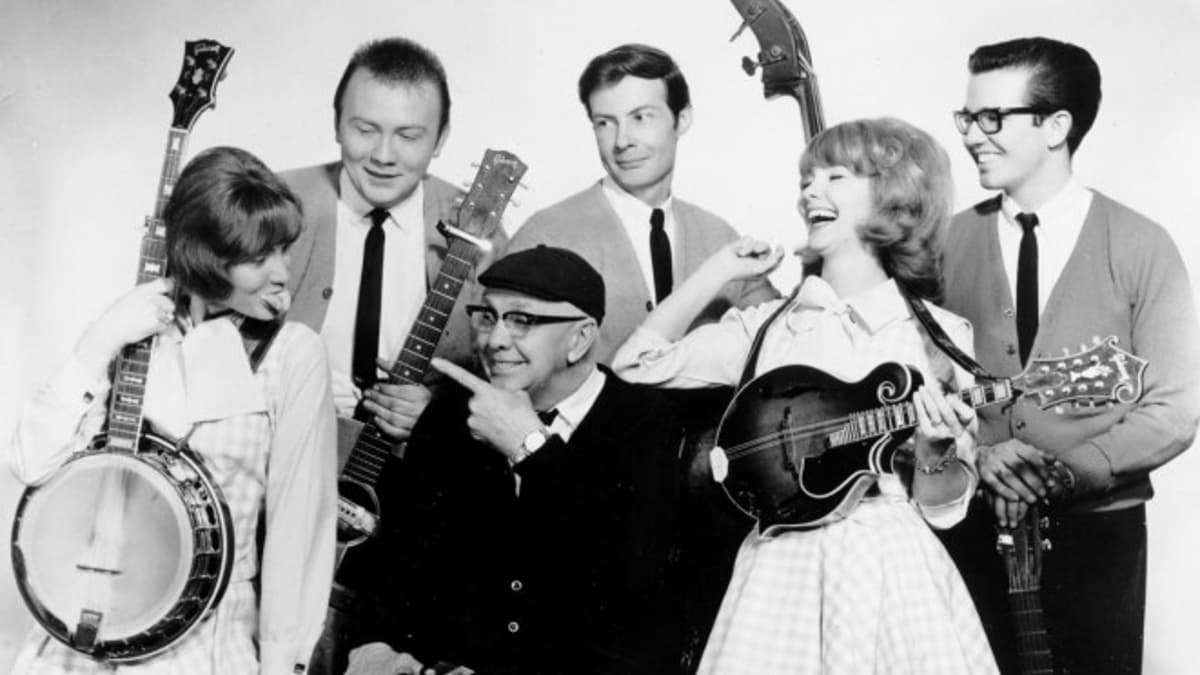
Born 133 Years Ago Today, the Virginia Native Who Became One of Country Music’s First Commercial Recording Stars
Why It Matters
Stoneman’s early hits proved that rural folk music could generate mass‑market revenue, shaping the business model of the country‑music industry and influencing generations of artists.
Key Takeaways
- •Stoneman’s 1925 single sold two million copies, a 1920s hit.
- •Recorded roughly 200 tracks in the 1920s, pioneering commercial country.
- •Helped organize the 1927 Bristol sessions that launched the Carter Family.
- •Great Depression forced him into a Navy gun‑factory job.
- •Inducted into Country Music Hall of Fame in 2008, cementing legacy.
Pulse Analysis
Ernest Van “Pop” Stoneman emerged from a modest log‑cabin in Virginia to become one of the first commercially successful country musicians. After hearing a Henry Whitter record in 1924, he traveled to New York and cut his debut for Okeh Records. His 1925 single “Sinking of the Titanic” sold roughly two million copies—a staggering figure for the fledgling recording market and proof that rural folk songs could generate mass‑appeal revenue. The hit helped convince record companies that a dedicated country catalog was profitable.
Stoneman’s influence extended beyond his own recordings. In 1927 he organized the legendary Bristol sessions, where the Carter Family and Jimmie Rodgers were first captured on disc. By assembling a family string band and laying down an estimated 200 tracks in the 1920s, he demonstrated how a prolific output could sustain a label’s bottom line while shaping the sonic template of early country music. His blend of banjo, autoharp and vocal harmonies set a stylistic benchmark that later artists still reference.
The Great Depression forced Stoneman out of the studio and into a Navy gun‑factory, illustrating how economic shocks can derail artistic careers. A series of talent‑contest victories in the late 1930s allowed the Stoneman family to regain a foothold in the industry, culminating in a posthumous induction into the Country Music Hall of Fame in 2008. Today, his story serves as a reminder that the commercial viability of country music rests on both entrepreneurial recording strategies and the resilience of its pioneers. His catalog continues to be reissued, offering scholars a window into the genre’s formative era.
Born 133 Years Ago Today, the Virginia Native Who Became One of Country Music’s First Commercial Recording Stars
Comments
Want to join the conversation?
Loading comments...