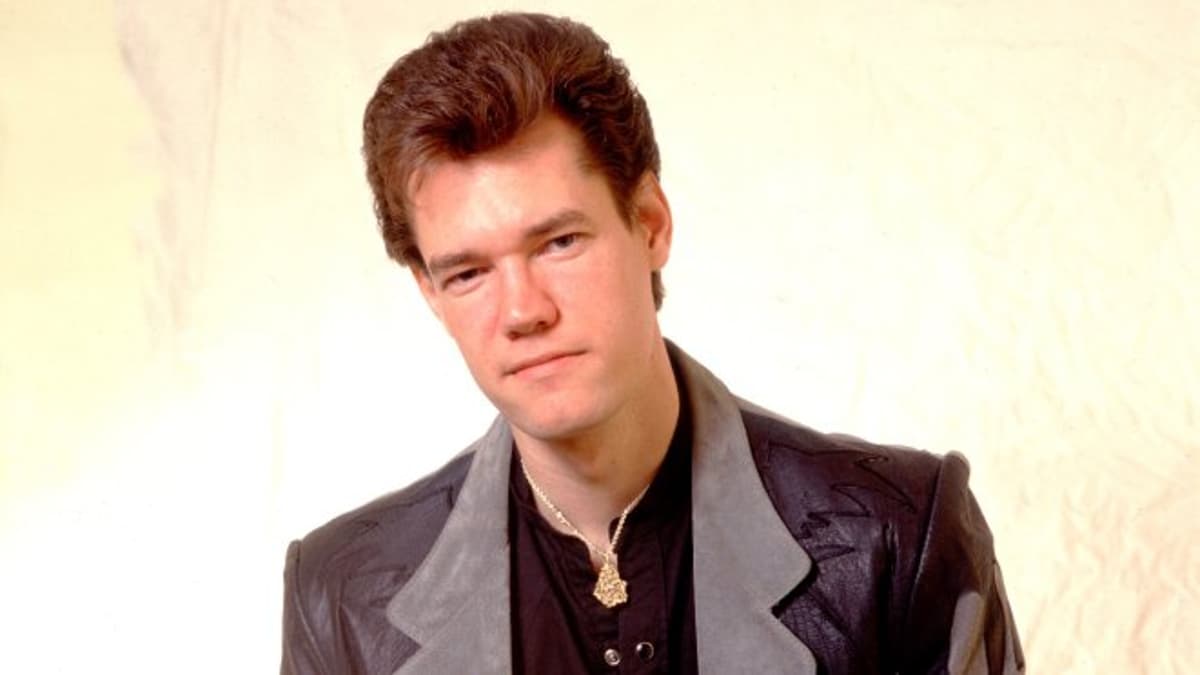
Born on This Day in 1959, the Golden-Voiced Country Legend Who Led the Genre Back to Its Roots
Why It Matters
Travis revived traditional country, steering Nashville back to its roots and influencing label strategies, while his AI‑enabled comeback illustrates how legacy artists can monetize technology to re‑engage audiences.
Key Takeaways
- •Randy Travis' 1986 debut sparked a traditional country resurgence
- •Six Grammys and 23 major awards cemented his industry clout
- •AI‑generated 2024 track marked his first post‑stroke release
- •His sound shifted Nashville away from 80s pop production
- •Inspired 1990s artists like Alan Jackson and George Strait
Pulse Analysis
In the early 1980s, Nashville’s airwaves were dominated by synthesizers, drum machines, and glossy pop arrangements that pushed country music toward a mainstream, crossover sound. Record labels chased chart success by packaging traditional twang with pop polish, marginalizing artists who favored classic storytelling and acoustic instrumentation. Randy Travis entered this landscape with a baritone that evoked the genre’s honky‑tonk heritage, offering a clear alternative that resonated with listeners yearning for authenticity. His debut single, “On the Other Hand,” proved that a return to roots could still achieve commercial viability, prompting labels to diversify their rosters and re‑invest in traditional acts.
Travis’s string of No. 1 hits throughout the late 1980s and early 1990s translated into robust album sales, sold‑out tours, and a surge in radio programming dedicated to neotraditional country. The artist’s success encouraged peers such as Alan Jackson, George Strait and later, Tim McGraw to adopt a similar sonic palette, effectively reshaping Nashville’s product pipeline. Industry analysts note that his Grammy‑winning catalog generated over $200 million in combined record and publishing royalties, underscoring how a stylistic pivot can drive long‑term revenue streams. Moreover, his crossover appeal attracted advertisers seeking a trustworthy, Americana‑aligned brand voice, expanding sponsorship opportunities for both artists and venues.
The 2024 AI‑assisted releases, “Where That Came From” and “Horses in Heaven,” illustrate how legacy musicians can leverage technology to extend their catalog without compromising artistic integrity. By partnering with an AI program that modeled Travis’s vocal timbre, his estate unlocked new monetization pathways—streaming royalties, sync licensing, and fan‑driven merchandise—while navigating ethical debates around synthetic performances. This approach signals a broader industry trend where estates of iconic artists employ AI to sustain relevance, offering a blueprint for monetizing dormant catalogs in an era of digital consumption. As the music business continues to evolve, Travis’s blend of tradition and innovation remains a case study in balancing heritage with forward‑looking technology.
Born on This Day in 1959, the Golden-Voiced Country Legend Who Led the Genre Back to Its Roots
Comments
Want to join the conversation?
Loading comments...