Why It Matters
The revival safeguards a nearly vanished cultural heritage while positioning Belgium as a dynamic hub in Europe’s folk ecosystem, attracting tourism and cross‑border collaborations.
Key Takeaways
- •Belgian folk revival relies on 18th‑century manuscripts, not oral tradition.
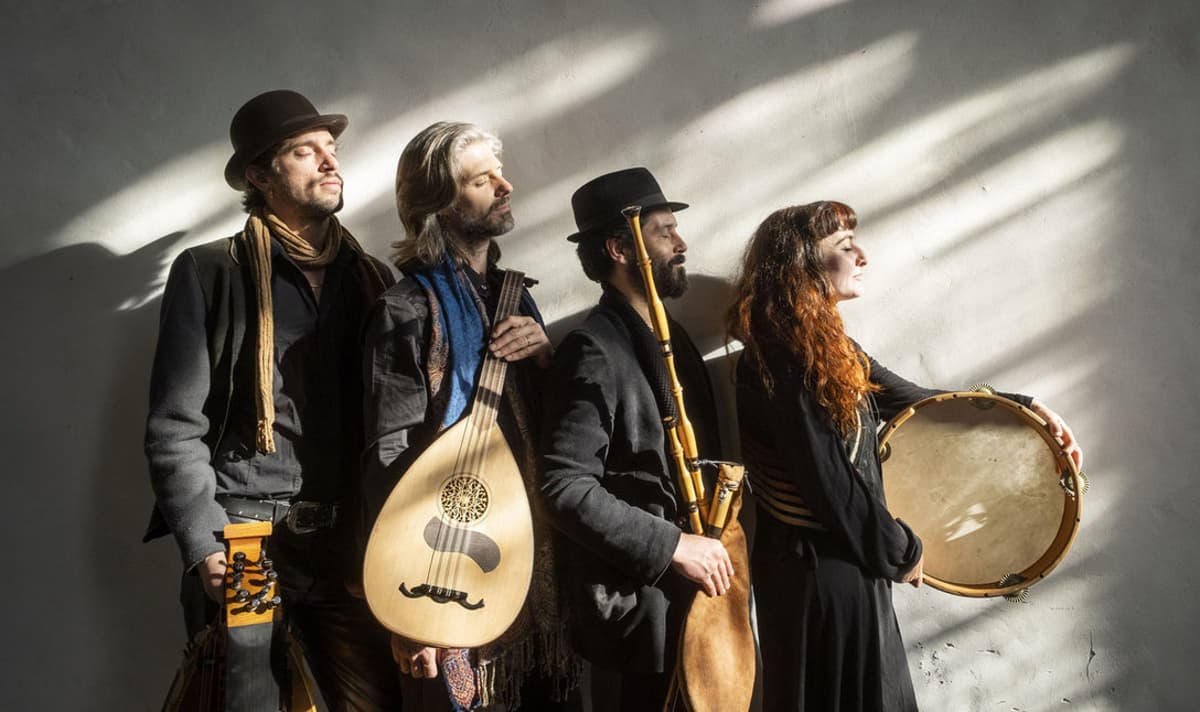
- •Band WÖR popularized reconstructed tunes, debuting 2015 across Europe.
- •Modern makers recreate lost bagpipes using Bruegel paintings.
- •Saxophone, invented by Belgian Adolphe Sax, remains central in folk bands.
- •Festivals Gooikoorts and Dranouter spotlight Belgium's multicultural folk scene.
Pulse Analysis
The disappearance of living folk practitioners in Belgium after the Industrial Revolution forced musicians to turn to archival sources. Scholars and artists now mine 18th‑century manuscripts—often penned by classical composers—to reconstruct melodies that would otherwise have vanished. This archival approach differentiates Belgium’s revival from neighboring countries, where oral transmission survived longer, and it underscores the country’s role as a historical crossroads of French, Dutch, English, and Germanic musical currents.
Instrument innovation is a cornerstone of the movement. With no original Belgian bagpipes surviving, contemporary craftsmen study Pieter Bruegel the Elder’s paintings to fabricate faithful replicas, while the saxophone, a Belgian invention by Adolphe Sax, has been repurposed for folk dance halls. Accordionists and diatonic players blend these revived sounds with modern electronics, creating a hybrid palette that welcomes influences from Romani, Middle‑Eastern, and African traditions. This blend of reconstruction and invention fuels a fresh creative energy that resonates with younger audiences.
Today’s Belgian folk scene thrives on festivals and collaborative projects that amplify its global relevance. Events such as Gooikoorts International Folk Festival and Festival Dranouter draw thousands, offering stages for groups like WÖR, the Ghent Folk Violin Project, and multicultural ensembles such as Avalanche Kaito. These gatherings not only preserve historic repertoire but also generate economic benefits through cultural tourism and cross‑border artistic exchange, cementing Belgium’s emerging reputation as a vibrant hub for contemporary folk innovation.
Bringing Belgian Folk Music Back to Life
Comments
Want to join the conversation?
Loading comments...