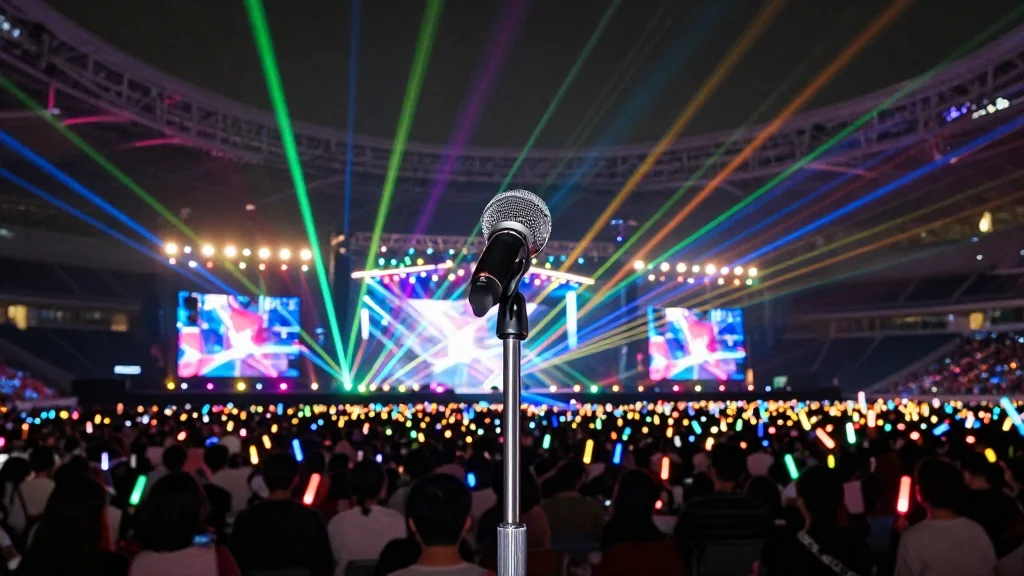
BTS Sells Out Second Las Vegas Night, Cementing Arirang World Tour's Live‑music Impact

Why It Matters
BTS’s sold‑out second night in Las Vegas demonstrates that K‑pop can command stadium‑scale audiences in the United States, a market historically dominated by Western pop and rock acts. This breakthrough expands the commercial calculus for promoters, who may now prioritize Asian talent for large‑venue bookings, potentially diversifying the live‑music ecosystem. Moreover, the concert’s cultural staging underscores a growing appetite among U.S. audiences for authentic, non‑Western artistic expressions, suggesting a broader shift in consumer preferences. The tour also serves as a barometer for post‑military service comebacks, showing that extended hiatuses need not diminish an act’s drawing power. For the music industry, BTS’s ability to translate streaming dominance into ticket sales validates the synergy between digital platforms and live experiences, reinforcing the importance of integrated marketing strategies that leverage both realms.
Key Takeaways
- •May 27, 2024: BTS sold out Allegiant Stadium’s 65,000 seats for the second night of the Arirang World Tour.
- •Setlist blended new Arirang tracks with classic hits and two surprise songs, highlighting cultural staging.
- •Production featured a pavilion inspired by Gyeonghoeru Pavilion and traditional Korean music interludes.
- •The concert marks BTS’s first major U.S. stadium shows after a collective 18‑month military service hiatus.
- •Success signals growing demand for K‑pop stadium tours and may reshape U.S. live‑music booking strategies.
Pulse Analysis
BTS’s Las Vegas sell‑out is more than a headline; it is a data point confirming that K‑pop’s global surge is now translating into stadium‑level revenue in the United States. Historically, Asian acts have struggled to break the 20,000‑seat barrier in American markets, but BTS’s ability to fill Allegiant Stadium three times in a row redefines the ceiling for non‑Western performers. This shift is likely driven by a combination of sustained streaming numbers, a highly organized fanbase (the ARMY), and strategic branding that intertwines Korean cultural elements with mainstream pop appeal.
From a competitive standpoint, the success of the Arirang World Tour could pressure legacy stadium promoters to diversify their line‑ups, potentially opening doors for groups like Blackpink, Stray Kids, or even solo Korean artists to secure similar venues. The economic implications are notable: stadium tours generate higher per‑ticket revenue, ancillary sales, and sponsorship opportunities that can dwarf arena‑scale events. If BTS continues to sell out stadiums across North America, it may catalyze a new tier of touring economics where Asian pop acts compete directly with the likes of Taylor Swift or Beyoncé for top‑grossing slots.
Looking forward, the key question is whether BTS can sustain this momentum beyond the North American leg. The group’s post‑military narrative adds a compelling storyline that can be leveraged in marketing, but the challenge will be to keep the setlist fresh while satisfying a fanbase that expects both new material and nostalgic hits. If they manage to balance these demands, BTS could set a precedent for how global acts structure multi‑year touring cycles that integrate cultural authenticity with commercial scalability, reshaping the live‑music industry’s definition of a ‘global superstar.’
BTS sells out second Las Vegas night, cementing Arirang World Tour's live‑music impact
Comments
Want to join the conversation?
Loading comments...