Key Takeaways
- •Duduk central, framed by reed scarcity after Nagorno‑Karabakh conflict
- •Electronics subtly extend breath, avoiding overt folkloric melodies
- •Tracks are concise, mirroring precarious availability of traditional cane
- •Album critiques art‑production politics without exoticising the instrument
Pulse Analysis
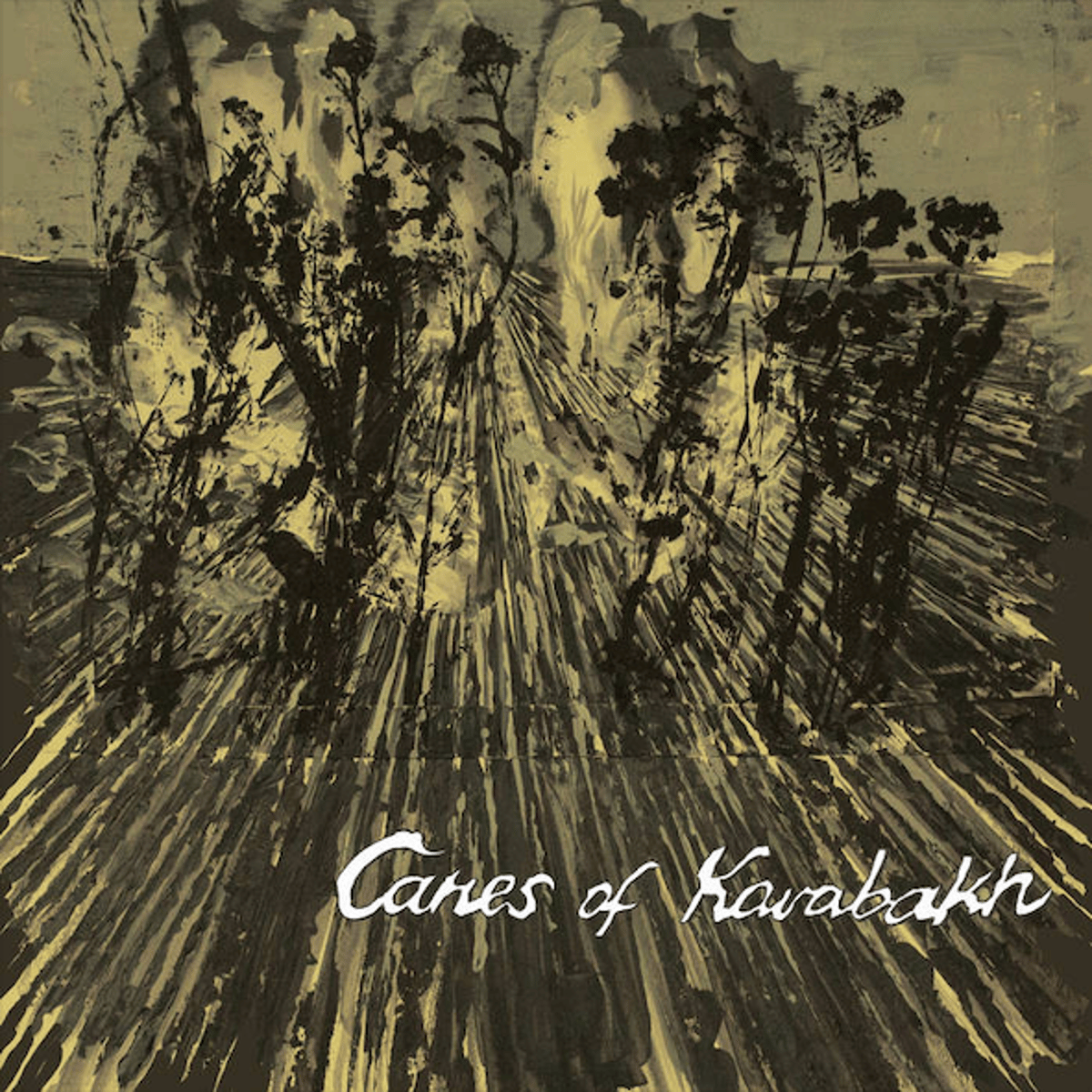
The Polish trio—Stanisław Matys, Olgierd Dokalski, and Paweł Bartnik—released *Canes of Karabakh*, an album that treats the Armenian duduk as a socio‑political lens rather than a mere exotic sound source. By foregrounding the dramatic rise in cane reed prices caused by the Nagorno‑Karabakh conflict, the musicians embed an economic tremor into every note, turning material scarcity into an audible narrative. This approach reframes the instrument’s thousand‑year heritage, linking its breathy timbre to the lived realities of the communities that craft and play it.
Matys’s duduk lines hover without resolving, while Dokalski’s flugelhorn supplies a detuned shadow, and Bartnik’s electronics capture stray overtones and stretch them into faint architectural halos. The trio deliberately shortens each composition, mirroring the precariousness of reed availability and rejecting the indulgent, meditative expansions of their earlier releases. By avoiding direct folk quotations, they sidestep cultural appropriation, focusing instead on the material properties of cane, brass, and air. This restraint creates an ethical timbre that invites listeners to contemplate the instrument’s provenance rather than its exotic allure.
The album’s conceptual rigor resonates beyond avant‑garde circles, offering a template for artists who wish to embed geopolitical realities into sound without resorting to tokenism. In a market where world‑music labels often commodify heritage, *Canes of Karabakh* demonstrates that scarcity can be a compositional catalyst, prompting shorter, more intentional statements. Critics and curators are likely to cite the work when discussing ethical sourcing, sustainability, and the politics of cultural exchange. As reed prices remain volatile, the record may also influence instrument makers and performers to seek alternative materials, reshaping the future soundscape of the duduk.
Canes Of Karabakh ~ S/T
Comments
Want to join the conversation?