Why It Matters
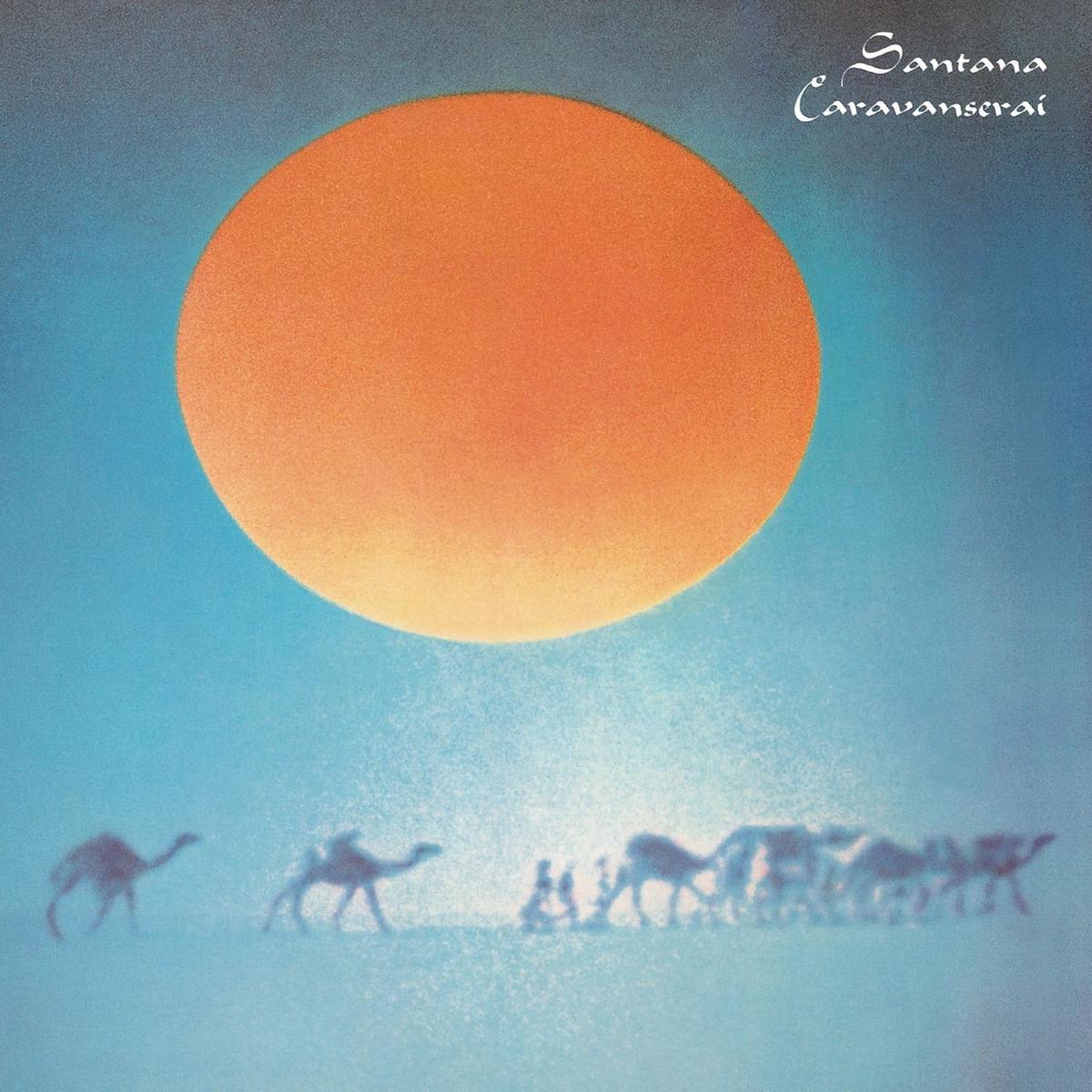
*Caravanserai* demonstrated that a mainstream rock act could successfully fuse jazz, Latin percussion, and spiritual concepts, expanding the commercial possibilities for genre‑blending music. Its daring approach influenced the evolution of jazz‑rock and set a template for later fusion projects.
Key Takeaways
- •Caravanserj released 1972, marking Santana’s shift to jazz‑rock
- •Album blends Afro‑Cuban percussion with spiritual jazz influences
- •Clive Davis rejected it, yet critics praised its innovation
- •Band lineup changes introduced younger percussionist James Lewis
- •Caravanserai paved way for later Santana jazz‑fusion projects
Pulse Analysis
Santana’s early trajectory—from a local San Francisco act to Woodstock stardom—was built on a potent mix of blues, Latin rhythms, and raw rock energy. Their first three albums, especially *Abraxas*, cemented a commercial formula that blended congas, timbales, and Carlos Santana’s distinctive, vocal‑like guitar tone. By the early 1970s, however, the band’s appetite for deeper musical and spiritual exploration grew, spurred by exposure to Miles Davis, John Coltrane, and Eastern mysticism. This shift set the stage for *Caravanserai*, an album that abandoned conventional song structures in favor of atmospheric soundscapes and improvisational journeys.
Recorded in 1972, *Caravanserai* introduced a refreshed lineup: young percussionist James “Mingo” Lewis, veteran Cuban drummer Armando Peraza, and bassist Doug Rauch, among others. The record’s opening track, “Eternal Caravan of Reincarnation,” immerses listeners in ambient chirps and chimes before launching into a meditative groove, while tracks like “Future Primitive” foreground layered congas and timbales, echoing the band’s Afro‑Cuban roots. With only three vocal tracks and a focus on collective instrumentation, the album mirrors Carlos Santana’s spiritual quest, weaving mystic themes with jazz‑rock textures that critics hailed as innovative despite Columbia head Clive Davis’s commercial doubts.
The legacy of *Caravanserai* reverberates through modern fusion and progressive rock. Its daring blend of jazz improvisation, Latin percussion, and spiritual lyricism opened doors for subsequent Santana releases such as *Welcome* and collaborations with John McLaughlin and Alice Coltrane, cementing the band’s reputation as a pioneering force in genre‑crossing music. Contemporary artists cite the album as a blueprint for integrating world‑music rhythms into rock frameworks, underscoring its lasting influence on the evolution of jazz‑rock and the broader music industry.
Caravanserai
Comments
Want to join the conversation?
Loading comments...