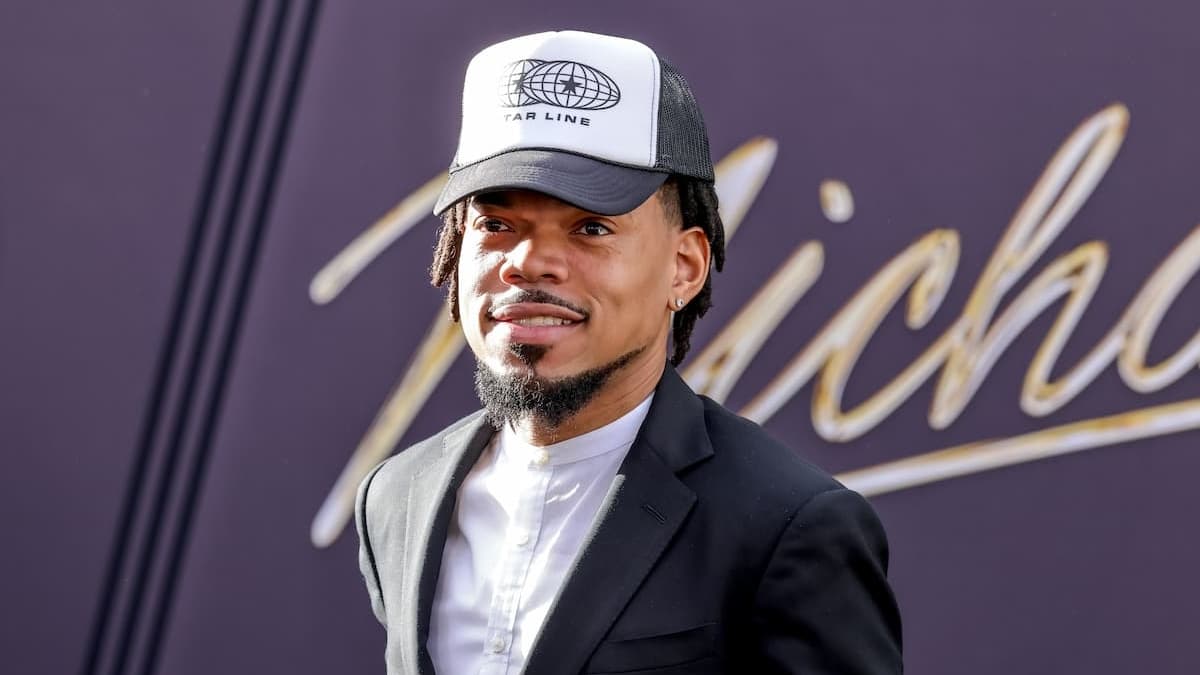
Chance The Rapper Candidly Opens up About Living in His Hometown of Chicago: ‘It’s More Than Just a City’
Why It Matters
By vocalizing Chicago’s gun crisis, Chance amplifies a public‑health issue that often escapes mainstream attention, potentially spurring policy and community action. His stance illustrates how high‑profile musicians can shape cultural narratives around urban safety.
Key Takeaways
- •Chicago is a "situation" where gun violence feels normalized
- •Chance cites Chief Keef as a stark voice on street realities
- •Kanye West’s early tracks sparked Chance’s ambition to rap
- •He challenges listeners to track daily Chicago gun deaths
- •Using fame, he aims to push community dialogue on violence
Pulse Analysis
Chicago has long been a crucible for innovative hip‑hop, producing legends from Common to Kanye West. Yet the city’s cultural cachet coexists with a persistent gun‑violence epidemic that claims dozens of lives each week. In a recent interview, Chance The Rapper framed Chicago as a "situation"—a cultural environment where shootings have become an almost accepted backdrop. By foregrounding that reality, he leverages his Grammy‑winning platform to turn a personal narrative into a broader social critique. The city records roughly 700 shootings annually, a statistic Chance hopes to bring into everyday conversation.
Chance’s commentary echoes a growing wave of hip‑hop activism that refuses to separate art from the streets that inspire it. He points to Chief Keef as a peer who "shoves" the stark facts of violence into listeners’ faces, while recalling how Kanye West’s early sampling techniques sparked his own creative drive. By juxtaposing musical influence with civic urgency, Chance illustrates how artists can serve as both cultural ambassadors and informal watchdogs, amplifying data that mainstream media often underreports. His willingness to wager five dollars on a low death count underscores the personal urgency he feels.
The stakes extend beyond headlines; when a high‑profile figure like Chance calls out Chicago’s gun crisis, it pressures policymakers and philanthropists to allocate resources toward prevention and community programs. Music industry executives are also watching, recognizing that socially conscious branding can resonate with younger audiences seeking authenticity. As the city’s narrative evolves, the partnership between artists and local leaders could shape a new model where cultural capital translates into tangible safety investments, redefining how urban music scenes influence public policy. If successful, this model could inspire other cities grappling with similar crises to leverage their own cultural icons.
Chance The Rapper Candidly Opens up About Living in His Hometown of Chicago: ‘It’s More Than Just a City’
Comments
Want to join the conversation?
Loading comments...