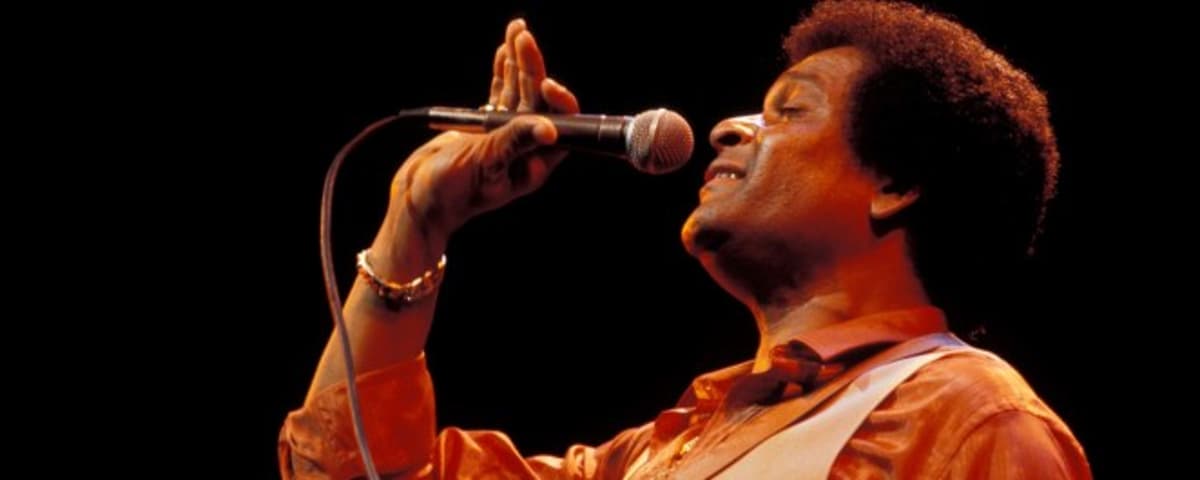
Charley Pride Fought To Release What Became His First Top 10 Hit
Why It Matters
The song proved that artistic courage can dismantle entrenched racial barriers, opening country music to broader talent and audiences. Its historic Opry debut signaled a turning point for diversity in a traditionally white‑dominated genre.
Key Takeaways
- •Pride battled producer Jack Clement to record the song.
- •"Just Between You And Me" reached Top 10 in 1966.
- •Song secured Pride’s first Grammy nomination.
- •Performance led to historic Grand Ole Opry debut.
- •Opened path for Black artists in country music.
Pulse Analysis
During the mid‑1960s, country radio was a bastion of white performers, and Charley Pride faced both overt segregation and subtle industry pressure. Producers like Jack Clement warned him against love songs, fearing listeners would question a Black man's romantic narratives. Pride’s insistence on recording "Just Between You And Me" was not merely a personal artistic choice; it challenged the unspoken rule that Black artists should stick to gospel or novelty material, setting a precedent for creative autonomy in a racially charged market.
When the single cracked the Top 10, it did more than boost Pride’s chart résumé. The Grammy nomination validated his vocal prowess on a national stage, while the Grand Ole Opry invitation forced the Nashville establishment to confront its own biases. Pride’s debut performance—delivered without fanfare about his skin tone—demonstrated that audience appetite for authentic storytelling trumped prejudice. The moment reshaped booking practices, encouraging promoters to consider talent over appearance and gradually diversifying the Opry’s lineup.
Decades later, Pride’s breakthrough reverberates through the careers of artists like Darius Rucker, Mickey Guyton, and Kane Brown, who cite his legacy as a catalyst for their own acceptance. Industry executives now recognize that inclusive representation drives streaming numbers and concert ticket sales, turning diversity from a moral imperative into a commercial advantage. Pride’s struggle and triumph illustrate how a single song can catalyze cultural shift, reminding today’s musicians and labels that breaking barriers often begins with a single, courageous note.
Charley Pride Fought To Release What Became His First Top 10 Hit
Comments
Want to join the conversation?
Loading comments...