Why It Matters
The album re‑establishes a once‑overlooked act as a touchstone for progressive metal, offering fresh content for legacy fans and attracting new listeners to the genre’s golden era.
Key Takeaways
- •Crimson Glory returns with "Chasing The Hydra" after 27-year gap
- •New vocalist Travis Wills matches original frontman's high‑note range
- •Album blends 80s prog‑metal style with modern production
- •Critics praise tracks like "Redden The Sun" and "Triskaideka" as genre highlights
- •Revival may spark renewed interest in overlooked classic metal acts
Pulse Analysis
The late‑80s progressive metal wave produced a handful of seminal bands, but few sustained relevance beyond the era’s peak. Crimson Glory, alongside peers like Queensrÿche and Fates Warning, helped define a sound that married intricate song structures with soaring vocal harmonies. Their 1988 masterpiece "Transcendence" remains a reference point for musicians seeking to fuse classic metal aggression with melodic sophistication. Over the past two decades, the genre has experienced periodic revivals, driven by streaming algorithms and a growing appetite for technically demanding music among younger audiences.
"Chasing The Hydra" arrives at a moment when nostalgia‑driven releases are charting alongside cutting‑edge acts. The lineup overhaul—introducing Travis Wills on vocals and Mark Borgmeyer on guitar—injects fresh energy while honoring the band’s signature high‑octane vocal range and dual‑lead guitar interplay. Production values are markedly upgraded, delivering crisp, layered mixes that highlight intricate riff work and expansive keyboard textures. Critics have singled out "Redden The Sun" for its razor‑sharp intro and "Triskaideka" for its complex time‑signature shifts, confirming that the album is more than a mere homage; it pushes the progressive metal template forward.
For the broader metal market, Crimson Glory’s resurgence underscores a lucrative niche: revitalizing legacy acts with modern sensibilities. Labels are increasingly scouting dormant catalogs, recognizing that reissues and new material can generate streaming revenue and festival bookings. As fans rediscover the band’s early catalog, "Chasing The Hydra" may catalyze a wave of similar comebacks, reinforcing the commercial viability of progressive metal’s heritage while expanding its audience base. The album’s success could also inspire emerging artists to explore the genre’s rich melodic and technical heritage, ensuring its evolution continues.
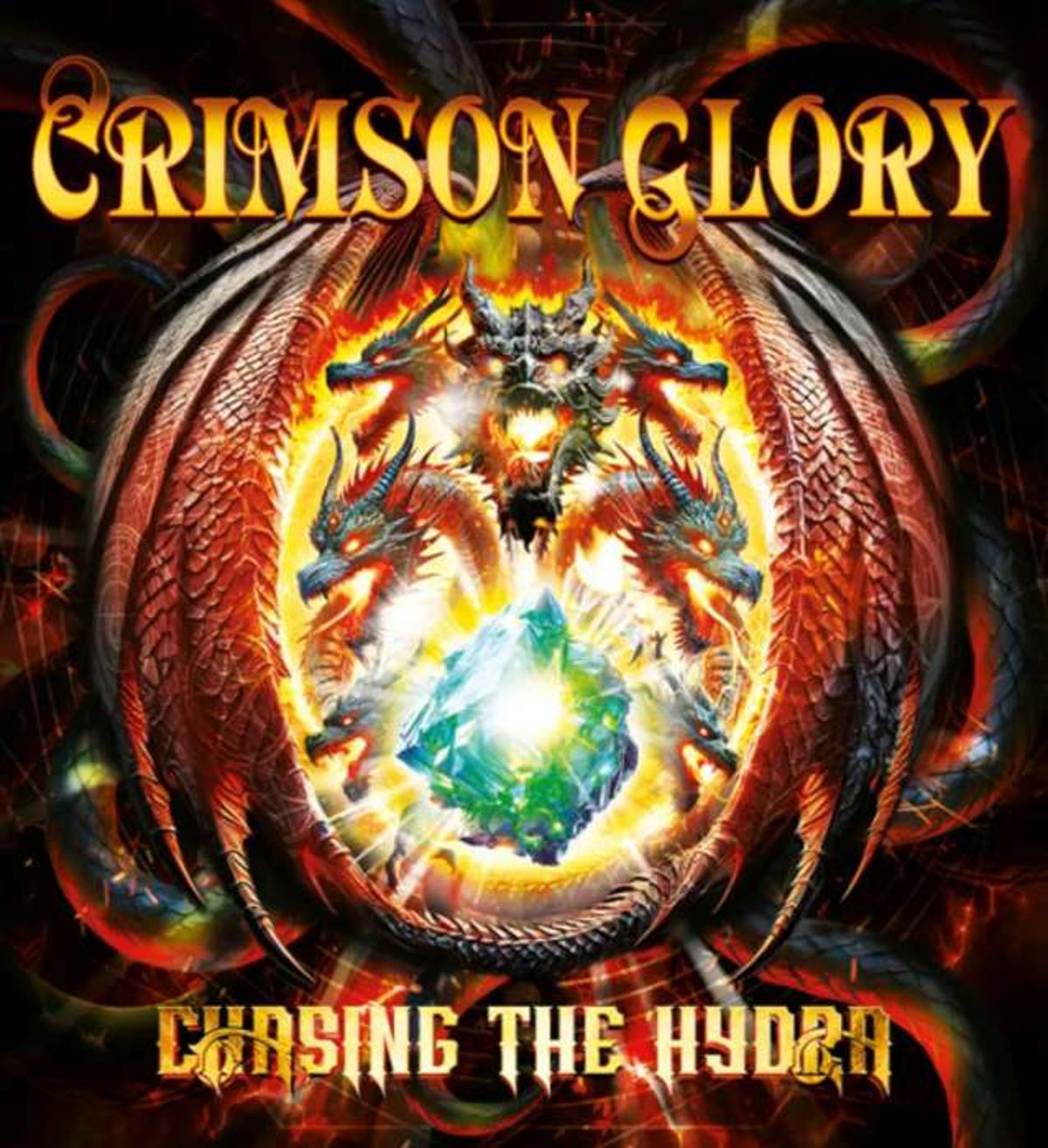
Chasing The Hydra
Comments
Want to join the conversation?
Loading comments...