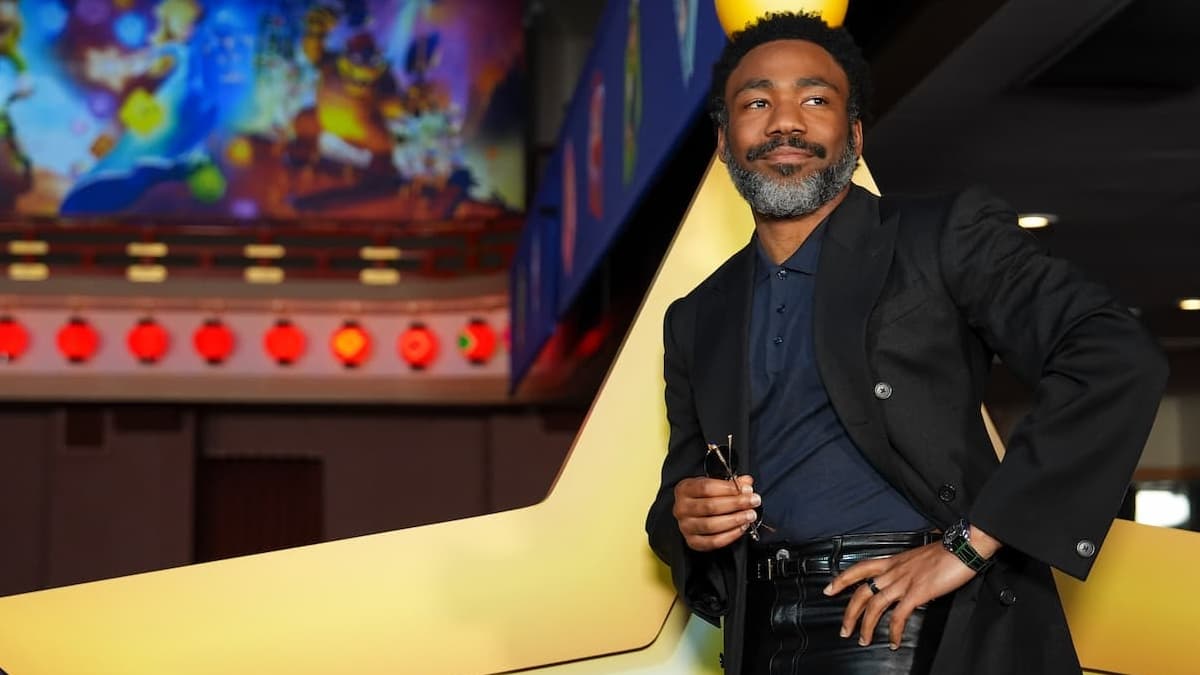
Childish Gambino Explains How He Felt About Critics After Negative Reviews on His First Album
Why It Matters
The incident illustrates how modern artists can convert harsh reviews into branding assets, reshaping the influence of traditional music critics in a streaming‑driven market.
Key Takeaways
- •Pitchfork gave Camp a 1.6/10 rating, sparking controversy
- •Gambino framed negative press as free marketing for his brand
- •He criticized reviewers for bias and treating criticism as a business
- •The interview highlighted the tension between artistic integrity and media narratives
Pulse Analysis
In 2013 Donald Glover, performing as Childish Gambino, faced one of the harshest critical blows of his early career when Pitchfork assigned his debut album *Camp* a 1.6 out of 10. The scathing review quickly became a talking point across music blogs and fan forums, casting doubt on the album’s commercial prospects. Rather than retreat, Glover treated the backlash as a catalyst, arguing that the low score amplified awareness and forced listeners to form their own opinions. His candid interview with Noisey revealed a calculated acceptance of the controversy.
Gambino’s stance reflects a growing belief among artists that any press—positive or negative—serves as free advertising. By labeling Pitchfork as a ‘brand’ that sells tickets, he underscored how media outlets have become revenue‑driven enterprises whose judgments can be leveraged for hype. This mindset encourages musicians to spin criticism into narrative fuel, turning a poor rating into a badge of authenticity that resonates with fans who distrust mainstream gatekeepers. In the streaming era, where algorithms favor engagement over acclaim, such controversy can boost streams and ticket sales.
The episode also highlights a shifting power balance between critics and creators. Traditional outlets like Pitchfork once held sway over indie credibility, but social media and direct‑to‑fan platforms now allow artists to shape their own narratives. Glover’s willingness to call out the reviewer by name illustrates a broader trend of artists confronting media bias head‑on, leveraging personal stories to humanize their brand. As the music business continues to prioritize audience connection over critical endorsement, the *Camp* controversy serves as a case study in turning negative feedback into long‑term cultural capital.
Childish Gambino Explains How He Felt About Critics After Negative Reviews on His First Album
Comments
Want to join the conversation?
Loading comments...