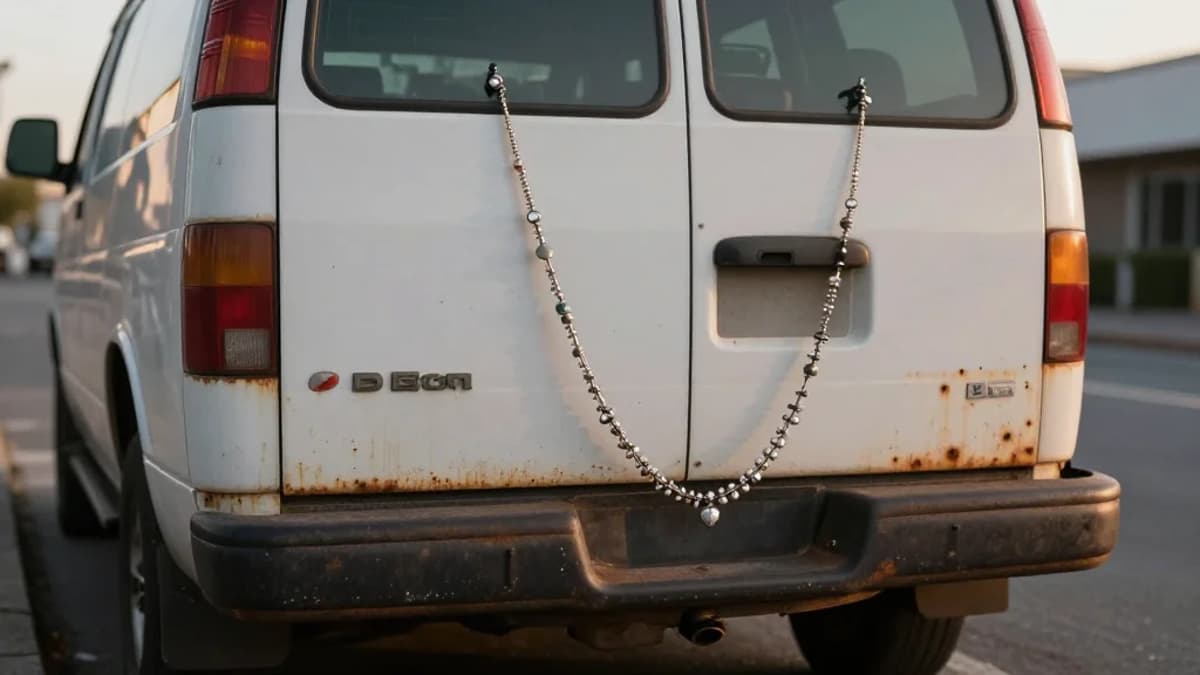
Cody Diekhoff of Chicago Farmer on Upcycling Used Guitar Strings and Touring in “Barbara Streisvan”
•March 3, 2026
0
Key Takeaways
- •Van 'Barbara Streisvan' has 250k miles, currently in shop
- •Wife upcycles used strings into jewelry sold at merch
- •Shifted from solo gigs to band, emphasizing teamwork
- •DIY mindset gave way to manager, producer, visual artists
- •New album 'Homeaid' highlights community, working‑class storytelling
Summary
Chicago Farmer (Cody Diekhoff) tours in a 250,000‑mile Chevy Express dubbed "Barbara Streisvan," currently undergoing rust repairs. His wife’s side business, Twice upon a Strings, upcycles his used guitar strings into jewelry sold at shows, with 20% of proceeds supporting art‑therapy programs. Diekhoff’s music income has shifted from solo gigs to a collaborative band model, highlighted by his new album "Homeaid" that explores community and working‑class narratives. He now embraces management, production, and visual‑artist partnerships, moving beyond a pure DIY approach.
Pulse Analysis
Sustainability is becoming a differentiator for indie musicians, and Chicago Farmer’s upcycling of broken guitar strings into wearable art exemplifies this trend. By turning waste into merchandise, Diekhoff not only reduces landfill impact but also creates a unique revenue stream that resonates with environmentally conscious fans. The 20% donation to art‑therapy programs adds a social‑impact layer, enhancing brand loyalty and opening doors to grant opportunities tied to community outreach.
Tour logistics remain a critical cost driver for grassroots artists, and Diekhoff’s reliance on a high‑mileage Chevy Express underscores the importance of vehicle maintenance and strategic expense management. Leveraging credit‑card reward programs for fuel and lodging, coupled with venue‑provided meals, helps keep daily operating costs low while maintaining health on the road. Such frugal tactics allow touring bands to sustain longer circuits without compromising performance quality.
The evolution from a solitary performer to a band‑centric model reflects a broader shift in the independent music economy. By integrating a producer, manager, and visual collaborators, Diekhoff expands his creative palette and accesses new distribution channels, boosting the commercial potential of his latest album, "Homeaid." This collaborative approach mirrors industry data showing that artists who diversify their support teams generate higher streaming numbers and merch sales, positioning them for more resilient long‑term growth.
Comments
Want to join the conversation?