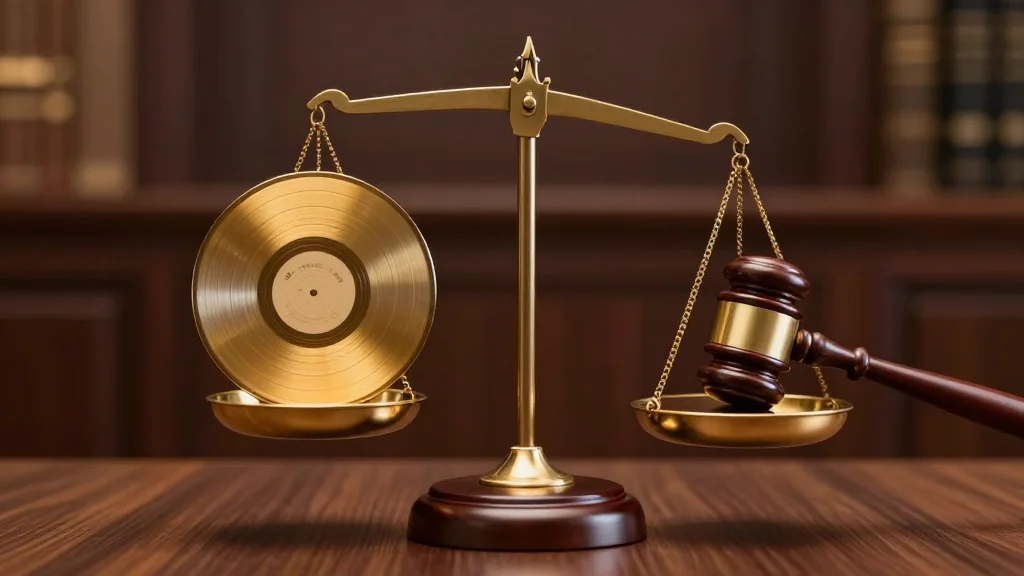
‘Creativity Is Not a Confession’: Maryland Governor Signs Law to Keep Rap Out of Criminal Cases
Companies Mentioned
Why It Matters
The law addresses longstanding concerns that using rap lyrics fuels racial bias and infringes on free‑speech rights, setting a precedent that could reshape evidentiary standards nationwide. It also offers artists stronger protection against criminalization of artistic expression.
Key Takeaways
- •Maryland's PACE Act curtails prosecutors' use of rap lyrics.
- •Judges must verify literal intent and relevance before admission.
- •Only admissible when lyrics directly relate to disputed case facts.
- •Maryland becomes third state to restrict rap-on-trial practices.
- •Proponents argue the law combats racial bias in jury decisions.
Pulse Analysis
The practice of introducing rap lyrics as evidence has grown into a controversial tool for prosecutors, often framing artistic expression as a confession. Critics argue that this tactic exploits stereotypes, swaying juries against young Black artists by conflating lyrical storytelling with criminal intent. High‑profile cases involving artists like Young Thug and Lil Durk have amplified the debate, prompting civil liberties groups to call for legislative safeguards.
Maryland's PACE Act establishes a three‑pronged test: judges must determine that the lyric was intended literally, that it directly relates to a factual dispute, and that its probative value outweighs prejudicial impact. By shifting the burden to a "preponderance of evidence" standard, the law narrows the evidentiary doorway that previously allowed speculative interpretations. Maryland follows California's 2022 statute and Louisiana's 2023 law, signaling a growing bipartisan recognition of the need to protect creative works from misuse in criminal proceedings.
For the music industry, the legislation offers a tangible shield for artists, reinforcing First Amendment protections and reducing the risk of wrongful convictions based on artistic content. It also pressures other states—New York, Georgia, Missouri—to consider similar reforms, potentially reshaping national jurisprudence on artistic evidence. As courts adapt, the balance between legitimate investigative tools and safeguarding free expression will remain a focal point for policymakers, legal scholars, and cultural advocates alike.
‘Creativity Is Not a Confession’: Maryland Governor Signs Law to Keep Rap Out of Criminal Cases
Comments
Want to join the conversation?
Loading comments...