Why It Matters
The album demonstrates how mainstream pop can confront political oppression while amplifying queer joy, influencing both cultural discourse and industry trends toward more socially conscious music.
Key Takeaways
- •MUNA’s fourth album shifts to darker synth‑pop with anxious basslines.
- •Lyrics explore desire, self‑sabotage, and queer community amid political tension.
- •“Big Stick” directly critiques propaganda and surveillance from a Big Brother viewpoint.
- •Album reflects rising anti‑LGBTQ legislation while affirming pleasure and solidarity.
- •Production handled by Naomi McPherson, favoring garage‑lite beats over glossy synths.
Pulse Analysis
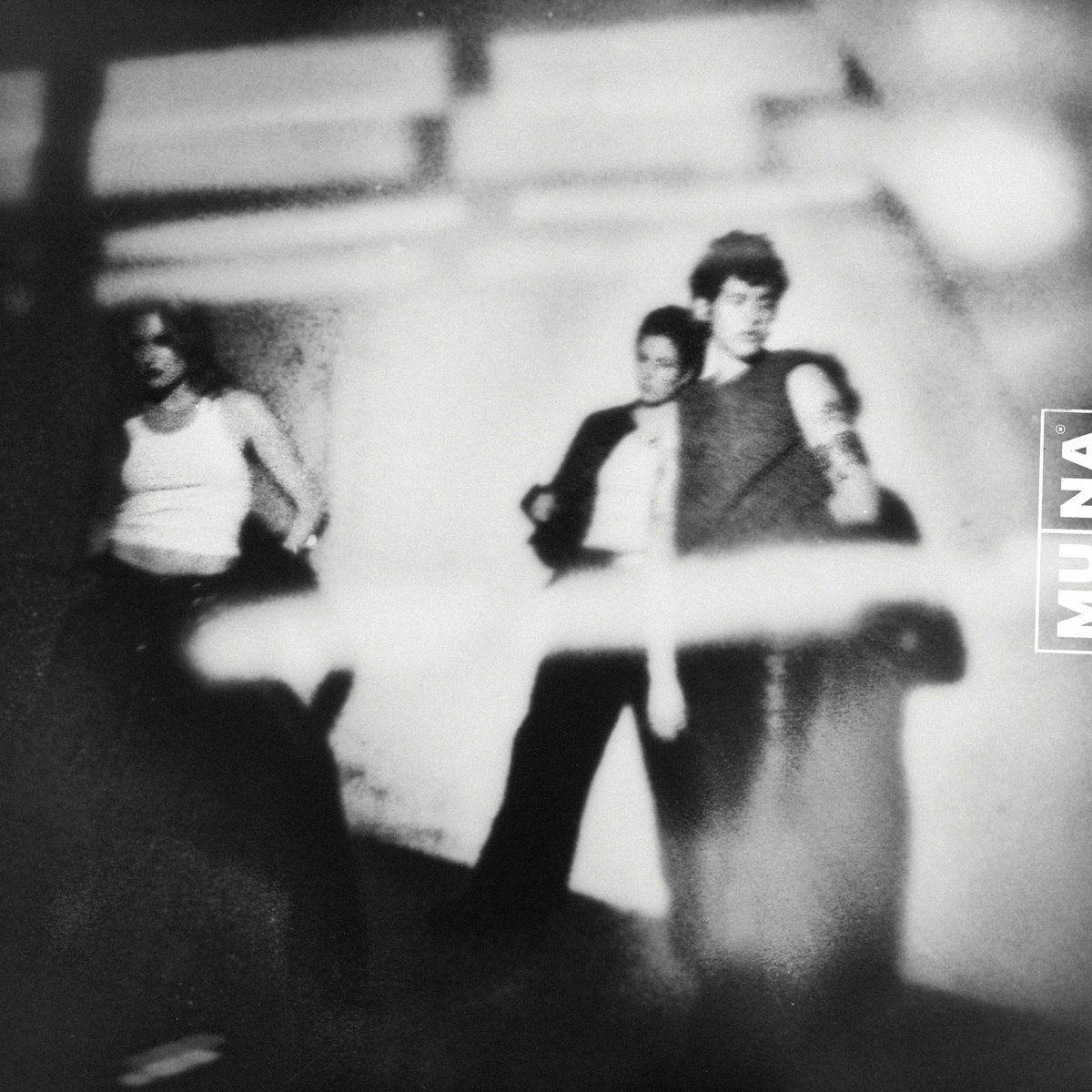
MUNA’s Dancing on the Wall arrives at a pivotal moment for queer pop, marrying the genre’s signature exuberance with a brooding sonic texture that mirrors today’s cultural anxieties. By dialing back the glittering synths of their 2022 breakthrough and embracing throbbing basslines and off‑kilter percussion, the trio aligns with a broader shift in synth‑pop toward gritty, introspective production. Naomi McPherson’s hands‑on approach foregrounds garage‑lite elements, giving the album a raw edge that distinguishes it from the polished pop that dominated the early‑2020s. This stylistic pivot not only showcases artistic growth but also positions MUNA alongside peers who are redefining electronic pop’s emotional range.
Lyrically, the record delves deep into personal desire, self‑sabotage, and the politics of queer existence. Tracks like “Mary Jane” and “Girl’s Girl” turn the lens inward, exposing how longing can distort judgment, while “Eastside Girls” celebrates community through a tongue‑in‑cheek list of sapphic essentials. The standout “Big Stick” pushes the envelope, framing propaganda and surveillance as intimate power dynamics—a bold move for a band previously known for carefree anthems. In an era of escalating anti‑LGBTQ legislation and cultural backlash, the album’s blend of pleasure and protest offers a resonant soundtrack for listeners navigating both joy and oppression.
From an industry perspective, Dancing on the Wall signals a growing appetite for pop that balances commercial appeal with substantive commentary. As streaming algorithms favor emotionally complex tracks, MUNA’s nuanced approach could inspire other artists to embed sociopolitical narratives within danceable frameworks. The album’s potential chart performance, coupled with its critical relevance, may encourage record labels to invest more in queer‑centered acts that are unafraid to address contentious issues. Ultimately, MUNA’s latest work not only expands their artistic repertoire but also reinforces the commercial viability of music that champions both authenticity and activism.
Dancing on the Wall
Comments
Want to join the conversation?
Loading comments...