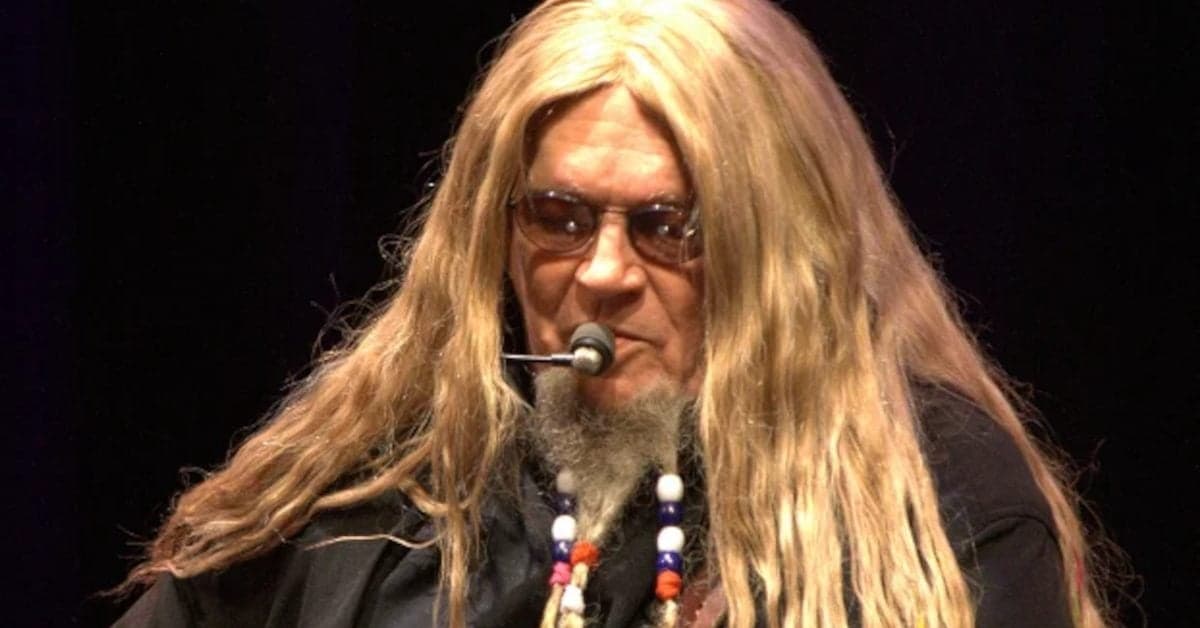
David Allan Coe’s New Posthumous Album Comes with Serious Questions
Why It Matters
The episode underscores how record‑label economics can override an artist’s wishes, affecting legacy and fan trust. It also spotlights the broader industry debate over posthumous releases and ethical stewardship of unreleased material.
Key Takeaways
- •2017 Coe album recorded with Average Joes remained unreleased until death
- •Manager Ken Madsen claims ownership, plans September 6, 2026 release
- •Label delayed release fearing low sales, now seen as cash‑in strategy
- •Posthumous launch sparks debate over artist consent and legacy control
Pulse Analysis
Posthumous releases have long been a double‑edged sword for the music business. Labels often argue that unveiling unreleased tracks can preserve an artist’s relevance and generate revenue, citing examples from hip‑hop to classic rock. Yet critics warn that delayed drops may distort an artist’s intended narrative, especially when financial motives eclipse creative intent. In the streaming era, a surge in catalog streams after a death can be lucrative, prompting some companies to hold back material until market conditions are optimal.
David Allan Coe’s unreleased 2017 album illustrates this tension. Recorded with Colt Ford’s Average Joes Entertainment, the project was shelved after executives feared insufficient sales. Years later, manager Ken Madsen announced a September 2026 release, positioning it as a tribute while simultaneously capitalizing on heightened public interest following Coe’s passing. The lack of transparency—no comment from Average Joes, ambiguous ownership claims, and a rapid TMZ exclusive—feeds skepticism about whether the decision honors Coe’s artistic legacy or merely exploits it for profit.
For the country music sector, the controversy may prompt tighter contracts and clearer estate planning. Artists and their families are increasingly demanding clauses that guarantee timely release of completed work, regardless of commercial forecasts. Fans, too, are more vocal about ethical stewardship, expecting that posthumous albums reflect the artist’s vision rather than a label’s balance sheet. As the industry grapples with these expectations, Coe’s case could become a benchmark for how legacy, consent, and revenue intersect in future posthumous releases.
David Allan Coe’s New Posthumous Album Comes with Serious Questions
Comments
Want to join the conversation?
Loading comments...