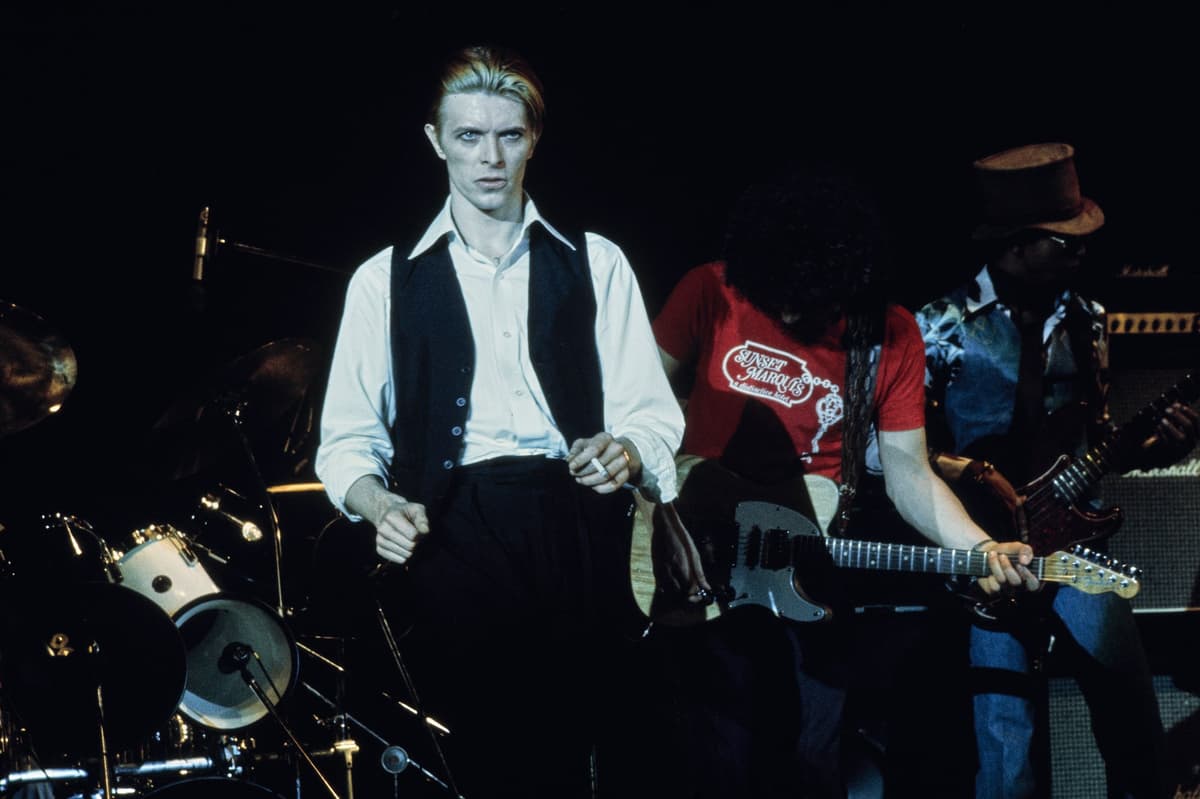
David Bowie Was Detained for Possessing Nazi Memorabilia on This Day 50 Years Ago
Why It Matters
The detention highlighted the reputational risks artists face when extremist rhetoric intersects with public image, prompting the music industry to reassess brand management and activist engagement. It also underscored how celebrity controversies can catalyze social movements, shaping cultural discourse for decades.
Key Takeaways
- •Bowie detained at Russia‑Poland border in April 1976
- •Possession of Nazi memorabilia linked to his Thin White Duke persona
- •Interviews revealed his brief, controversial endorsement of fascist ideas
- •Incident helped catalyze the Rock Against Racism movement
- •Bowie later disavowed extremist views, citing drug‑induced instability
Pulse Analysis
The 1976 border incident placed David Bowie at the center of a geopolitical controversy that extended beyond his music. While traveling in Europe, border officials seized Nazi‑related items from his luggage, prompting a brief detention that received extensive press coverage. At the time, Bowie was embodying the Thin White Duke, a character that flirted with dark aesthetic and provocative statements, including an interview in which he claimed a strong belief in fascism. The episode forced record labels and publicists to navigate a delicate crisis, balancing artistic freedom with the potential fallout of extremist associations.
In the months that followed, Bowie publicly recanted his extremist remarks, attributing them to a combination of mental health struggles and heavy drug use. This admission served as an early example of a high‑profile artist confronting personal demons in the public eye, a narrative that modern talent managers now handle with strategic communication plans. The incident also reinforced the importance of crisis preparedness within the entertainment sector, where a single misstep can jeopardize years of brand equity and revenue streams. For industry executives, Bowie's turnaround illustrates how transparent apologies and corrective actions can mitigate long‑term damage.
Beyond the personal ramifications, the detention inadvertently sparked a wave of musical activism. Musicians, alarmed by Bowie's statements and contemporaneous support for far‑right figures like Enoch Clapton, co‑founded the Rock Against Racism (RAR) movement to counteract rising nationalist sentiment. RAR’s legacy endures, influencing today’s artist‑led social campaigns and demonstrating how cultural flashpoints can evolve into organized advocacy. For contemporary stakeholders, the episode offers a cautionary tale: artist behavior can ignite broader societal responses, making proactive reputation management and ethical positioning essential components of a sustainable music business strategy.
David Bowie Was Detained for Possessing Nazi Memorabilia on This Day 50 Years Ago
Comments
Want to join the conversation?
Loading comments...