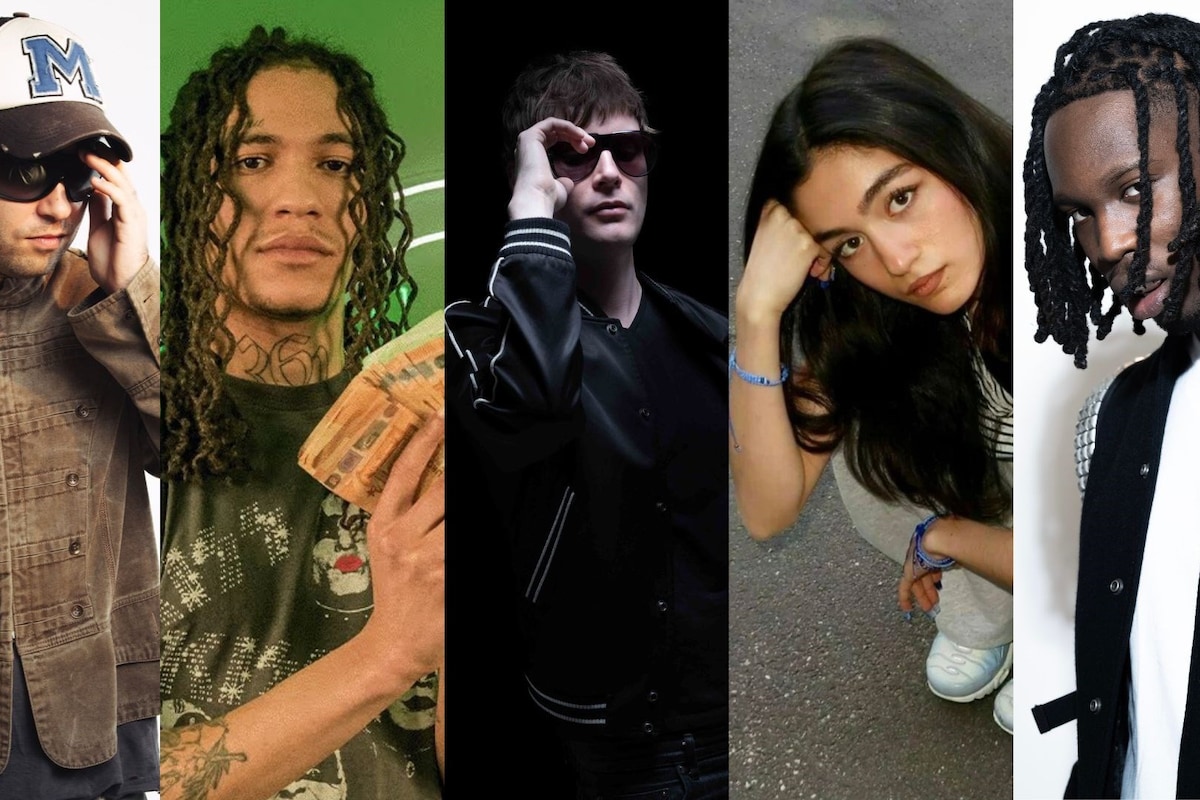
DE Ug: Meet the Rappers Making Germany Cool Again
Why It Matters
The movement positions Germany as a fresh hub for underground rap, attracting streaming revenue and festival tourism while diversifying the global hip‑hop landscape. It also offers German‑born Gen Z artists a cultural identity beyond traditional techno and pop narratives.
Key Takeaways
- •German UG rap gains global buzz after YT collab with Hamburg artists
- •Bassmuzik festival slated July, showcasing local talent and international acts
- •Artists blend US trap, UK jerk, and German eurodance influences
- •Gen Z drives scene, seeking representation beyond traditional German music
- •Ceren’s feature hit 100 million Spotify streams, boosting scene visibility
Pulse Analysis
The rise of German underground rap reflects a broader shift in music consumption, where niche scenes can achieve worldwide relevance through streaming platforms and social media. By leveraging the viral mechanics that propelled SoundCloud’s early‑2010s era, artists like Yungpalo and C4rl have built cross‑border followings without relying on traditional label infrastructure. Their hybrid sound—mixing distorted US trap beats, UK jerk‑rap percussion, and synth‑laden eurodance—offers a fresh palate for listeners fatigued by homogenized mainstream rap, positioning Germany as a new frontier for genre experimentation.
Commercially, the scene’s momentum is translating into tangible revenue streams. Ceren’s feature on Pashanim’s track recently topped 100 million Spotify streams, generating significant royalty payouts and attracting brand partnerships aimed at Gen Z audiences. Meanwhile, the upcoming Bassmuzik festival in Hamburg promises to convert online buzz into ticket sales, hospitality demand, and ancillary spending, echoing the economic impact seen in other emergent music hubs like Seoul’s K‑hip‑hop festivals. Investors and promoters are taking note, viewing the German UG market as a low‑cost, high‑engagement opportunity compared with saturated English‑language markets.
Culturally, the movement signals a reclamation of German identity within hip‑hop, moving beyond the techno stereotype that has long defined the country’s exportable music. By foregrounding diverse backgrounds—Black German artists, Turkish‑heritage vocalists, and indie‑electronic producers—the scene mirrors the multicultural fabric of contemporary Germany. This authenticity resonates with global audiences seeking genuine narratives, potentially paving the way for German rap to influence fashion, visual art, and even tourism. As the genre matures, its ability to export a uniquely German yet universally relatable sound could reshape perceptions of European hip‑hop on the world stage.
DE Ug: Meet the rappers making Germany cool again
Comments
Want to join the conversation?
Loading comments...