Why It Matters
The record demonstrates how archival remix techniques can revitalize legacy catalogues, while the vinyl‑only format taps the booming collector market and re‑engages a new generation with Sonic Youth’s experimental ethos.
Key Takeaways
- •John Oswald created two 20‑minute plunderphonic versions of “The Diamond Sea”.
- •Release compiles over 30 live shows, totaling seven hours of recordings.
- •A‑side uses 1995 Lollapalooza performances; B‑side draws from 1996 tour.
- •Vinyl‑only issue revives Sonic Youth’s legacy after a decade‑long breakup.
- •Plunderphonics highlights evolving noise‑rock aesthetics and archival remix culture.
Pulse Analysis
Sonic Youth’s “The Diamond Sea,” first issued as a five‑minute radio edit and a 25‑minute album cut on 1995’s *Washing Machine*, has long been a touchstone for the band’s blend of melody and noise. Its sprawling structure—alternating serene verses with abrasive feedback—made it a live favorite, yet its length kept it off mainstream playlists. Decades later, the track’s mutable nature makes it an ideal candidate for a radical reinterpretation, positioning it at the intersection of rock history and contemporary archival practice.
Enter John Oswald, the architect of plunderphonics, who previously fused over a hundred Grateful Dead performances into the legendary *Grayfolded* project. For “Diamond Seas,” Oswald mined more than 30 concert recordings, amounting to seven hours of raw material, and meticulously synchronized, filtered, and remixed them into two cohesive 20‑minute‑44‑second sides. The A‑side captures the triumphant energy of Sonic Youth’s 1995 Lollapalooza dates, while the B‑side reflects the raw, precarious vibe of the 1996 tour. By blending live ambience, crowd chants, and studio snippets, the release blurs the line between archival document and new composition, offering listeners a fresh, immersive experience.
The vinyl‑only format aligns with the resurgence of physical media, where collectors prize unique, limited‑edition pressings. “Diamond Seas” not only re‑introduces Sonic Youth to younger audiences but also showcases how legacy acts can leverage avant‑garde remix techniques to extend their cultural relevance. As streaming dominates, projects like this underscore a growing appetite for curated, tactile music experiences that honor an artist’s past while pushing creative boundaries. The release may inspire other bands to explore plunderphonic reinterpretations, signaling a broader shift toward experimental reissues in the music industry.
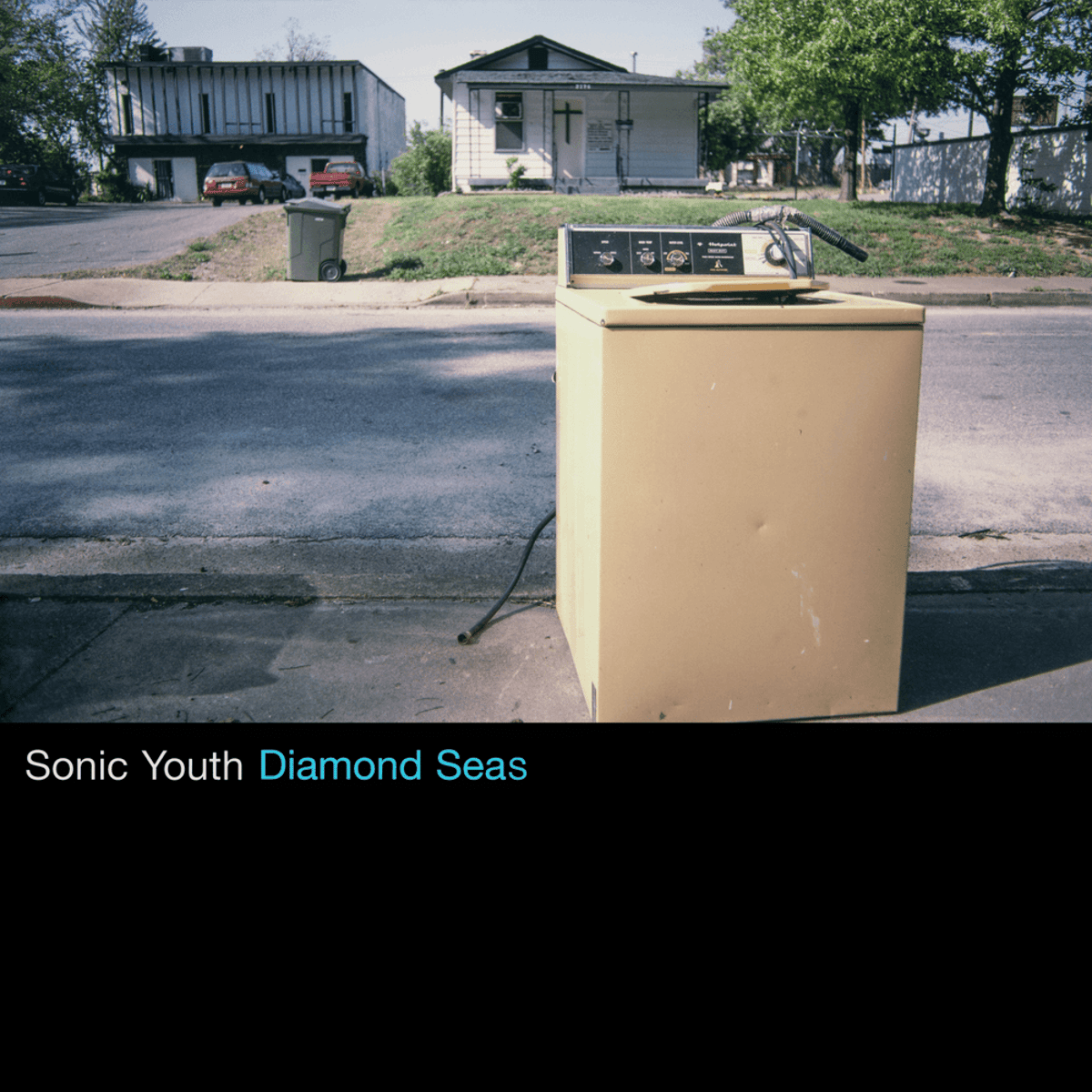
Diamond Seas
Comments
Want to join the conversation?
Loading comments...