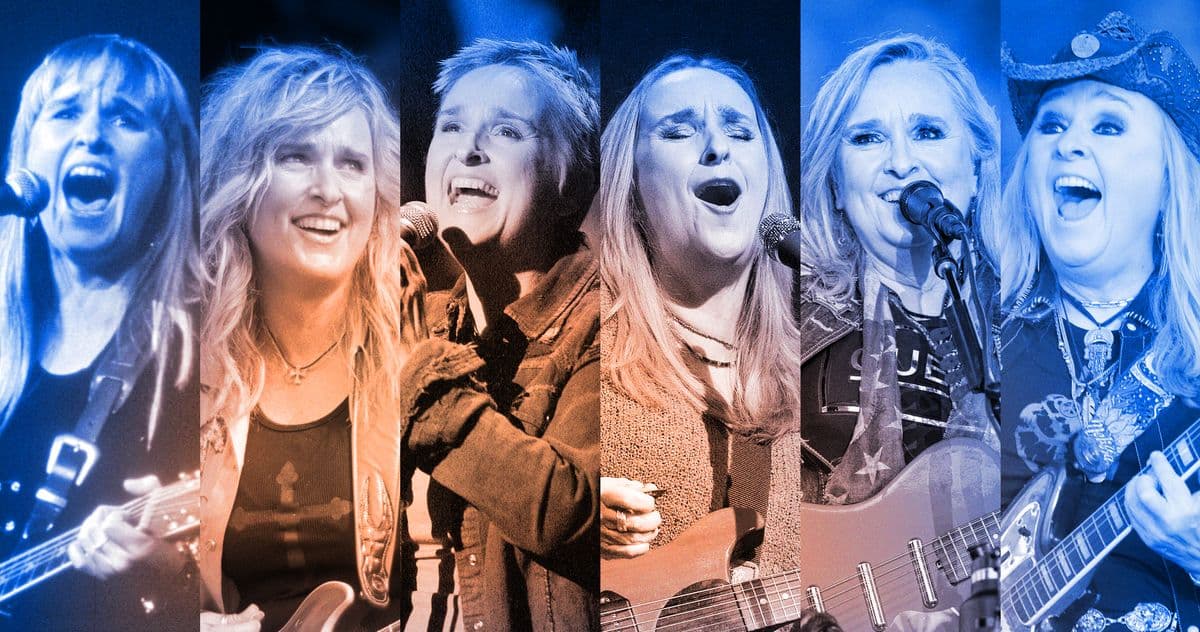
Don’t Tell Melissa Etheridge How Great Her Lilith Fair Set Was
Companies Mentioned
Why It Matters
Etheridge’s Hall of Fame nod and new album underscore the commercial viability of legacy rock acts, while her advocacy highlights growing industry acceptance of LGBTQ artists. The tour and media buzz generate significant revenue streams and reinforce her cultural relevance.
Key Takeaways
- •Etheridge earned first Rock & Roll Hall of Fame nomination in 2026
- •Released her 17th studio album, Rise, ahead of a nationwide 2026 tour
- •Island Records signed her after a producer introduced her to Chris Blackwell
- •Taylor Swift cited Etheridge as an early musical influence in the 2000s
- •Rejected by Lilith Fair, she later became a cult favorite among fans
Pulse Analysis
Melissa Etheridge’s resurgence in 2026 illustrates how veteran rock artists can leverage legacy branding into fresh commercial success. A Hall of Fame nomination provides a high‑visibility platform that fuels album sales, streaming numbers, and ticket demand. Rise, her 17th studio effort, blends classic guitar‑driven rock with contemporary production, appealing to both longtime fans and younger listeners discovering her through playlists and social media. The accompanying U.S. tour, scheduled across major arenas and midsize venues, is projected to generate multi‑million‑dollar box‑office revenue, reinforcing the profitability of legacy touring circuits.
Beyond the numbers, Etheridge’s story offers a case study in cultural influence and market positioning. Her early partnership with Island Records, secured after a chance meeting with Chris Blackwell, set a precedent for artist‑first label relationships that prioritize creative autonomy. The anecdote about Lilith Fair—where she was initially turned away—has become a rallying point for fans, illustrating how narrative authenticity can translate into brand loyalty. Moreover, her acknowledgment by pop star Taylor Swift underscores the cross‑generational impact of her catalog, driving renewed interest and licensing opportunities across film, TV, and advertising.
The broader industry implications are clear: legacy acts that combine strategic media moments, such as Hall of Fame nominations, with new releases and robust touring can capture both nostalgic and new market segments. Etheridge’s openness about her sexuality and activism continues to resonate in an era where LGBTQ representation is increasingly valued by consumers and investors alike. As streaming platforms amplify back‑catalog consumption, artists like Etheridge are positioned to monetize both historic hits and fresh material, setting a template for other seasoned musicians seeking relevance in today’s fragmented music economy.
Don’t Tell Melissa Etheridge How Great Her Lilith Fair Set Was
Comments
Want to join the conversation?
Loading comments...