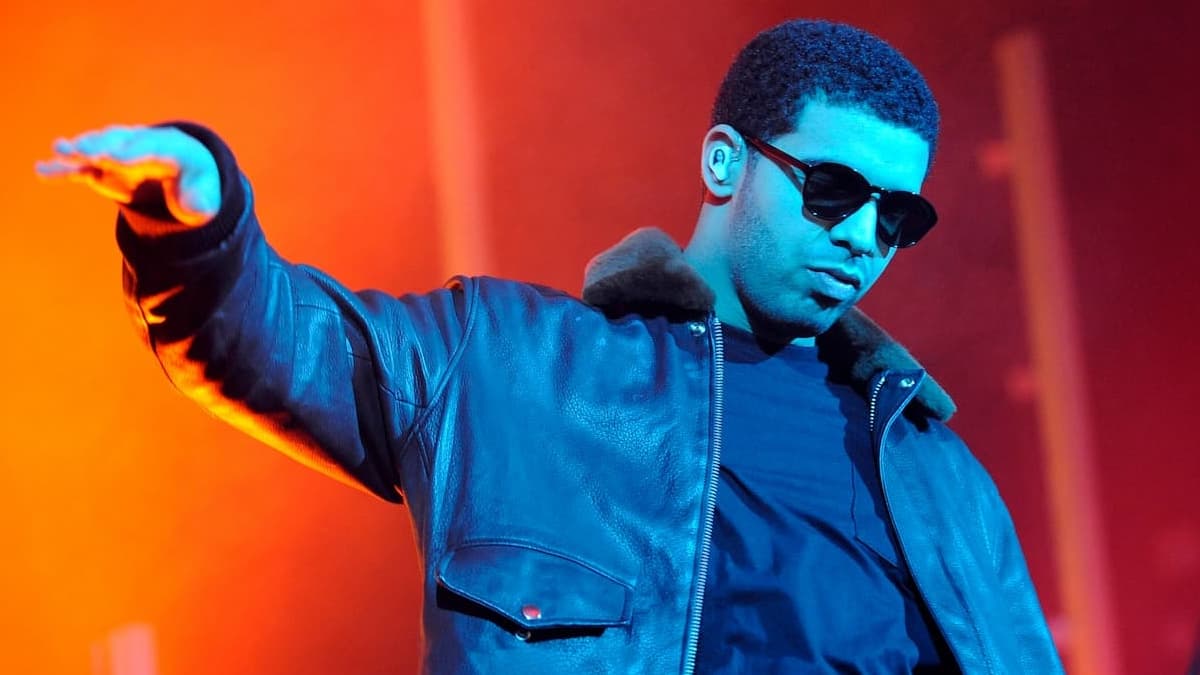
Drake Recalled Releasing This Album as One of the Lowest Points in His Career: ‘It Was a Weird Moment’
Why It Matters
Drake’s admission underscores the tension between rapid release cycles and artistic quality, a dilemma that shapes label strategies and artist branding in the streaming era.
Key Takeaways
- •Drake labeled "Thank Me Later" a career low point
- •Album was produced in four months on a tour bus
- •He still credits it for launching his mainstream success
- •Videos for “Miss Me” and “Fancy” felt misaligned to him
- •Rush limited artistic perfection, prompting quicker follow‑up projects
Pulse Analysis
During a 2011 GQ interview, Drake admitted that his major‑label debut, "Thank Me Later," remains one of the strangest moments of his career. He described the record as a product of a four‑month sprint completed on a tour bus, a pace that left little room for refinement. While the album generated hit singles and helped transition him from mixtape star to mainstream pop heavyweight, the artist recalled feeling uneasy about the accompanying videos for tracks like "Miss Me" and "Fancy." That discomfort has lingered, prompting him to label the release a low point despite its commercial success.
The rapid turnaround reflects a broader trend in the streaming era, where labels push artists to capitalize on momentum before listener attention wanes. Short album cycles can boost chart performance and streaming numbers, yet they often sacrifice the meticulous craftsmanship that long‑form projects demand. Drake’s candidness highlights the tension between commercial imperatives and creative satisfaction. By acknowledging the rushed nature of "Thank Me Later," he joins a growing chorus of musicians— from Beyoncé to Lil Nas X—who publicly weigh the cost of speed against artistic integrity, offering a rare glimpse into the decision‑making behind high‑profile releases.
For the business side, Drake’s reflection serves as a cautionary note for record executives and brand managers. An artist’s willingness to publicly critique a successful album can reshape fan narratives, influencing streaming algorithms and future promotional strategies. Labels may now prioritize longer development windows for flagship projects to preserve long‑term brand equity. Meanwhile, Drake’s next album, "Take Care," benefited from a more deliberate process, reinforcing the idea that a measured approach can yield both critical acclaim and sustained commercial performance.
Drake Recalled Releasing This Album as One of the Lowest Points in His Career: ‘It Was a Weird Moment’
Comments
Want to join the conversation?
Loading comments...