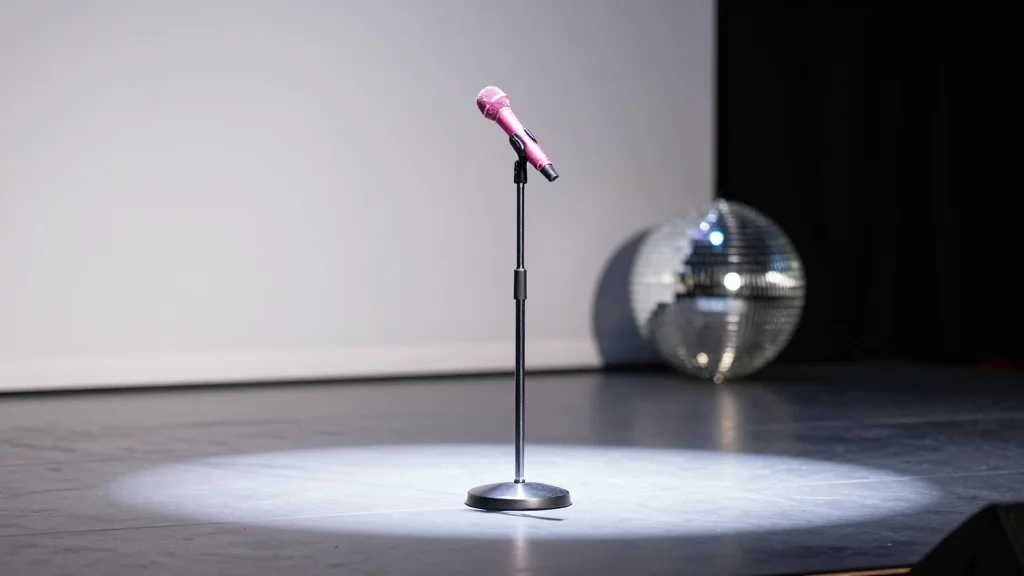
Eurodance Icons Aqua Call Time on Live Performances After 30 Years

Companies Mentioned
Why It Matters
Aqua’s decision to end live performances signals the closing of an era for Eurodance, a genre that once dominated global charts and continues to influence modern pop production. Their 30‑year run demonstrates how a single novelty hit can evolve into a lasting brand, shaping licensing models and cross‑media collaborations, as seen with the 2023 “Barbie World” sample. The breakup also highlights the challenges legacy acts face in balancing nostalgia tours with artistic integrity, a dilemma increasingly common among 1990s groups seeking relevance in a streaming‑driven market. For the broader music industry, Aqua’s exit underscores the commercial value of catalog exploitation over touring for aging acts. Record companies may intensify efforts to monetize back‑catalogs through sync deals, re‑issues, and curated playlists, while festivals may pivot toward emerging electronic artists to fill the gap left by legacy Eurodance performers.
Key Takeaways
- •Aqua announced on May 18 they will cease live performances after 30 years.
- •Members Lene Nystrøm, René Dif and Søren Rasted posted the statement on Instagram.
- •The group sold over 33 million albums and singles, making them Denmark’s top‑selling band.
- •Their last concert was at the Shillong Cherry Blossom Festival in India, November 2025.
- •A 2023 sample of “Barbie Girl” on “Barbie World” revived the track on the UK Top 40.
Pulse Analysis
Aqua’s retirement from touring reflects a broader shift in how legacy pop acts monetize their brand. In the streaming era, revenue from live shows has become less critical for groups whose catalog already generates consistent royalties. By ending the live chapter, Aqua can concentrate on licensing, sync placements, and curated releases that exploit nostalgia without the logistical costs of touring. This mirrors moves by other 1990s acts, such as Ace of Base and La Bouche, which have pivoted toward digital re‑issues and limited‑edition merchandise.
The timing also coincides with a resurgence of Eurodance aesthetics in contemporary pop, driven by TikTok trends and high‑profile samples. Aqua’s catalog is now a prime target for producers seeking retro credibility, as evidenced by the Grammy‑nominated “Barbie World.” Record labels will likely accelerate negotiations for sync deals, especially with film and advertising partners looking to tap into the genre’s playful energy. This could generate a new revenue stream that compensates for the loss of ticket sales.
Looking ahead, the band’s decision may influence festival programmers to diversify line‑ups, giving space to newer European electronic acts that can inherit the audience that once flocked to Aqua. The market will watch whether Aqua’s brand remains vibrant through strategic licensing or fades as the cultural moment passes. Either outcome will inform how other legacy groups approach the balance between live performance and catalog exploitation in the next decade.
Eurodance Icons Aqua Call Time on Live Performances After 30 Years
Comments
Want to join the conversation?
Loading comments...