Why It Matters
The broadcast gives Australian audiences a front‑row seat to a major cultural event, driving ad revenue for SBS and boosting exposure for local artists like Goodrem. It also underscores Eurovision’s growing commercial relevance in the Asia‑Pacific market.
Key Takeaways
- •Finland leads polls to win Eurovision 2026 in Vienna
- •Semi‑Final 1 airs 13 May, Semi‑Final 2 15 May on SBS
- •Delta Goodrem represents Australia with “Eclipse” in Semi‑Final 2
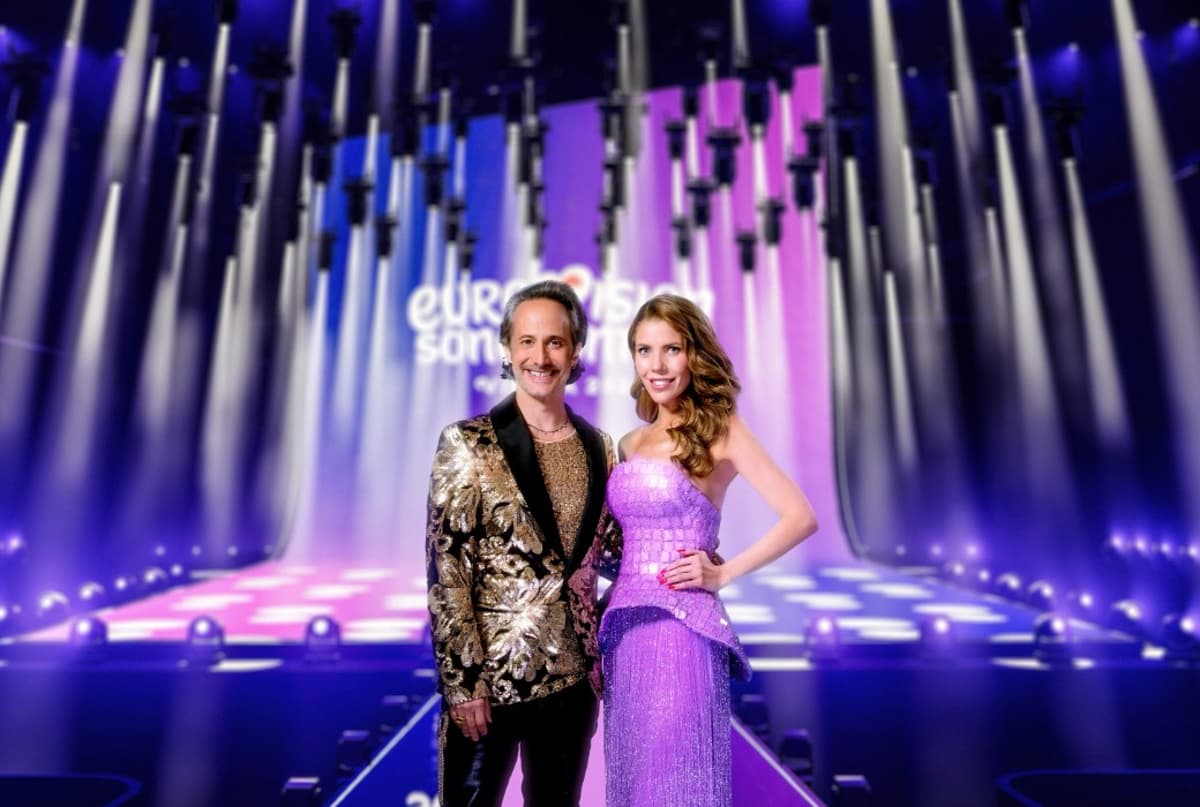
- •Hosts Victoria Swarovski and Michael Ostrowski open shows with interval acts
- •Australian viewers can vote for any country except Australia
Pulse Analysis
Eurovision’s 2026 edition marks a milestone as the contest celebrates its 70th anniversary, returning to Vienna’s iconic Wiener Stadthalle. With Finland emerging as the frontrunner in pre‑show polls, the competition promises a blend of seasoned performers and fresh talent across 38 participating nations. The event’s staging, featuring interval acts that pay homage to past winners, reflects the contest’s evolution from a simple song festival into a high‑production spectacle that commands a global audience of hundreds of millions.
For Australian viewers, SBS’s comprehensive coverage positions the network to capture a lucrative advertising window. The schedule—live broadcasts of Semi‑Final 1 on 13 May, Semi‑Final 2 on 15 May, and the Grand Final on 17 May at 5:00 am AEST—aligns with prime‑time slots in Europe, allowing cross‑market sponsorships and real‑time audience engagement. Delta Goodrem’s participation with “Eclipse” adds a home‑grown draw, encouraging higher viewership and social media interaction, while the voting system invites Australian audiences to influence the outcome for every country except their own, deepening viewer investment.
Beyond ratings, Eurovision serves as a catalyst for tourism and the music industry. Vienna anticipates a surge in international visitors, bolstering hospitality revenues, while artists gain exposure to new markets, often translating into streaming spikes and concert bookings. Brands leveraging the event’s multicultural appeal can tap into a diverse consumer base, from fashion collaborations to tech integrations like augmented‑reality voting apps. As the contest continues to expand its digital footprint, stakeholders across broadcasting, tourism, and music stand to benefit from its broad, engaged audience.
Eurovision 2026: guide
Comments
Want to join the conversation?
Loading comments...