Why It Matters
The album illustrates how seasoned indie artists can successfully fuse genre‑specific nostalgia with contemporary jazz sensibilities, expanding the market for mature, cross‑genre releases. It signals a growing appetite among listeners for music that balances artistic depth with comforting, familiar sounds.
Key Takeaways
- •Album fuses indie jazz with 90s country twang, banjo, pedal steel
- •Features Toronto collaborators and guest Sam Amidon adding authentic folk textures
- •Lyrics celebrate everyday moments and aging, offering gentle, reflective storytelling
- •Shift from experimental sax to softer woodwinds signals artistic maturity
- •Critical praise underscores market appetite for mature, genre‑blending indie releases
Pulse Analysis
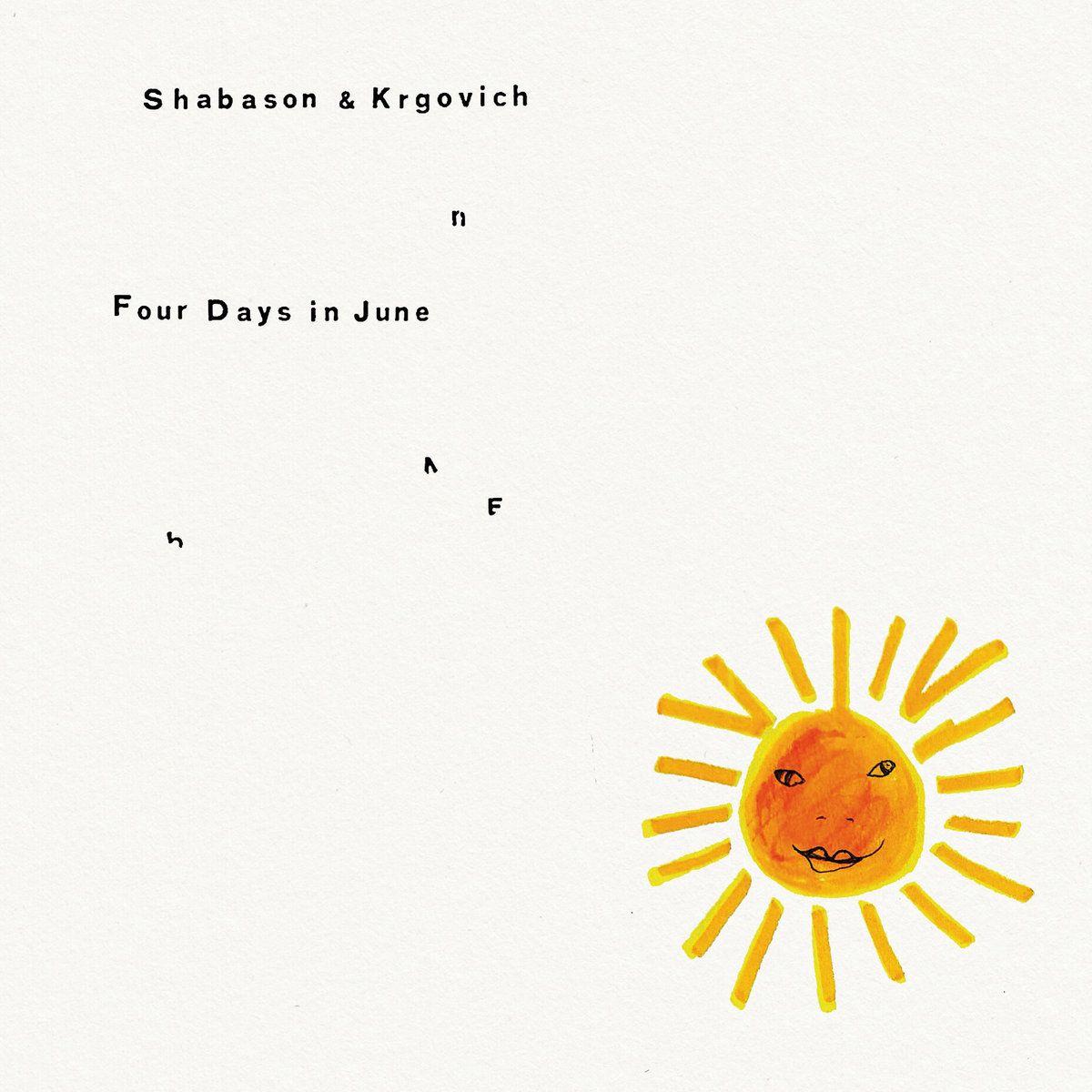
The Shabason‑Krgovich partnership has long occupied a niche at the intersection of Toronto’s avant‑jazz scene and indie pop, earning a reputation for fluid genre experimentation. Their latest effort, Four Days in June, arrives at a moment when listeners are gravitating toward music that feels both nostalgic and fresh. By weaving 1990s country motifs—pedal steel, banjo, and warm Wurlitzer tones—into their signature jazz‑inflected arrangements, the duo taps into a broader cultural yearning for comfort amid rapid digital consumption, positioning the album as a bridge between past and present sonic palettes.
Instrumentally, the record distinguishes itself through a deliberate softening of Shabason’s usual saxophone bravado. He opts for flutes and a Roland Aerophone, creating airy textures that complement Krgovich’s honeyed vocals. Guest appearances, notably folk veteran Sam Amidon’s banjo work and the rhythmic foundation laid by Fresh Pepper’s Bram Gielen and Thom Gill, lend authentic Americana credibility without sacrificing the duo’s experimental edge. Lyrically, the songs dwell on quotidian pleasures—newborns, sunrise, neighborhood walks—framed through the lens of middle‑age reflection, offering listeners a relatable narrative that balances sincerity with a touch of wistful nostalgia.
From a market perspective, Four Days in June underscores a rising trend: mature indie artists are embracing genre‑blending as a strategy to retain relevance and attract new audiences on streaming platforms. The album’s warm, pastoral vibe aligns with the current surge in playlists curated for relaxation, work‑from‑home environments, and “feel‑good” listening. Positive critical reception suggests that record labels and curators may increasingly back projects that fuse sophisticated musicianship with accessible, genre‑crossing aesthetics, signaling fertile ground for future releases that echo Shabason and Krgovich’s confident, age‑defying evolution.
Four Days in June
Comments
Want to join the conversation?
Loading comments...