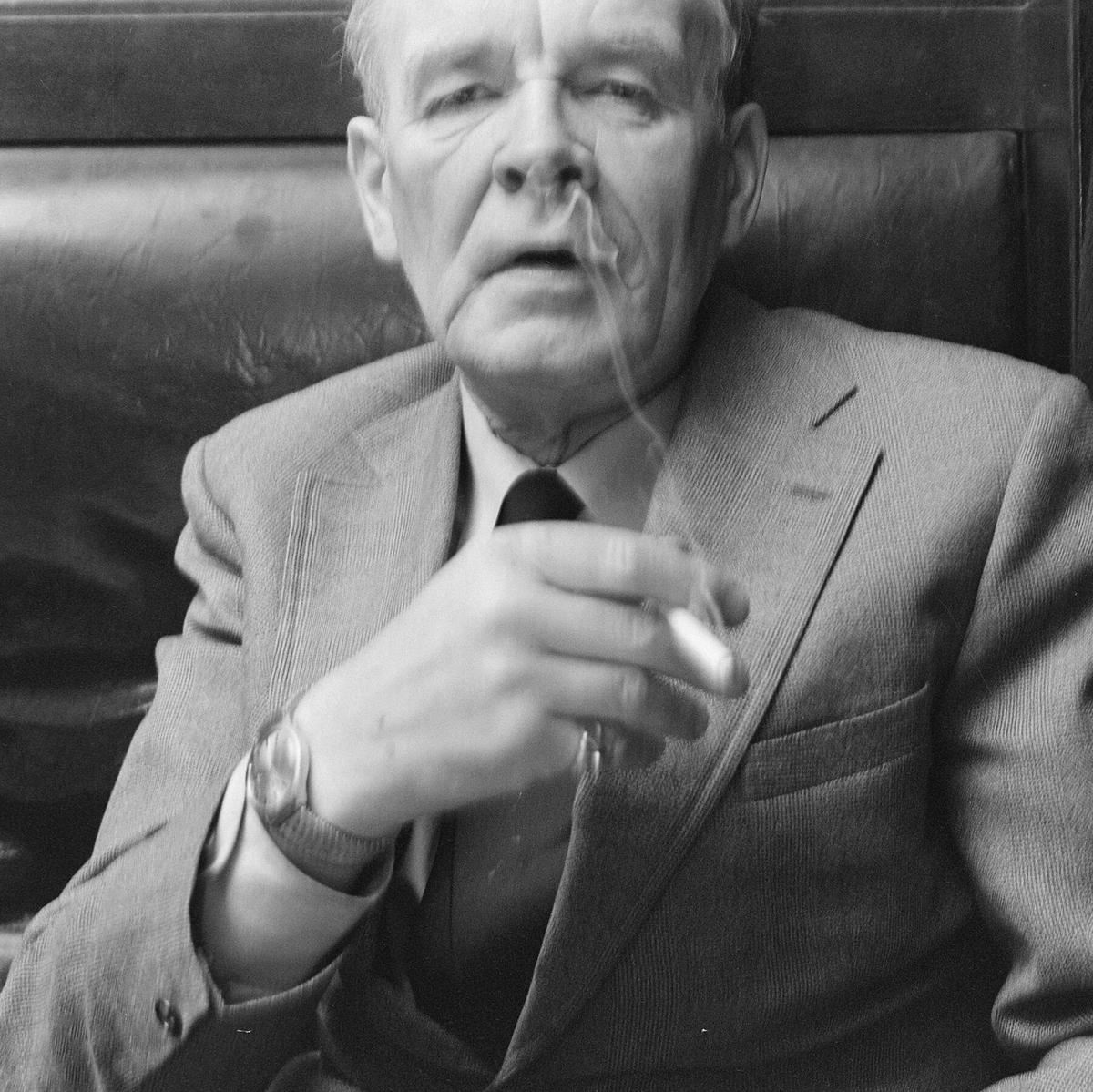
Geirr Tveitt’s Music Captured Norway’s Colors. His Life Reflected Its Shadows.
Why It Matters
Reviving Tveitt restores a missing chapter of Nordic classical heritage and demonstrates how contemporary artists can reshape historical narratives for global listeners.
Key Takeaways
- •1970 farm fire destroyed ~80% of Tveitt’s manuscripts
- •Nationalist affiliations left Tveitt marginalized after WWII
- •Leif Ove Andsnes released “Geirr Tveitt” album
- •Album showcases only surviving piano sonata, No. 29 “etere”
Pulse Analysis
The loss of Geirr Tveitt’s manuscripts in the 1970 blaze represents one of the most tragic cultural erasures in 20th‑century music. With eight‑tenths of his output gone, scholars have long relied on fragmented scores and oral histories to gauge his influence on Norwegian modernism. The fire not only eliminated a wealth of folk‑inspired orchestral works but also erased potential bridges between Scandinavian tradition and the broader European avant‑garde, leaving a gap that still challenges musicologists today.
Leif Ove Andsnes’s recent album, titled simply “Geirr Tveitt,” serves as a catalyst for reassessing the composer’s legacy. By recording the lone surviving piano sonata, No. 29 “etere,” Andsnes offers listeners a concrete entry point into Tveitt’s distinctive voice—one that fuses Nordic folk motifs with a stark, modernist architecture. The project benefits from today’s streaming infrastructure and a growing appetite for rediscovered repertoire, positioning Tveitt alongside other rehabilitated composers whose works are finding new commercial and scholarly traction.
Beyond the immediate revival, this case underscores the broader imperative of preserving and digitizing endangered cultural assets. As archives worldwide confront climate‑related threats, the music industry’s investment in high‑resolution recordings and metadata can safeguard fragile legacies. Tveitt’s resurgence illustrates how contemporary performers, record labels, and cultural institutions can collaborate to rewrite historical narratives, ensuring that once‑forgotten voices contribute to the evolving tapestry of global classical music.
Geirr Tveitt’s Music Captured Norway’s Colors. His Life Reflected Its Shadows.
Comments
Want to join the conversation?
Loading comments...