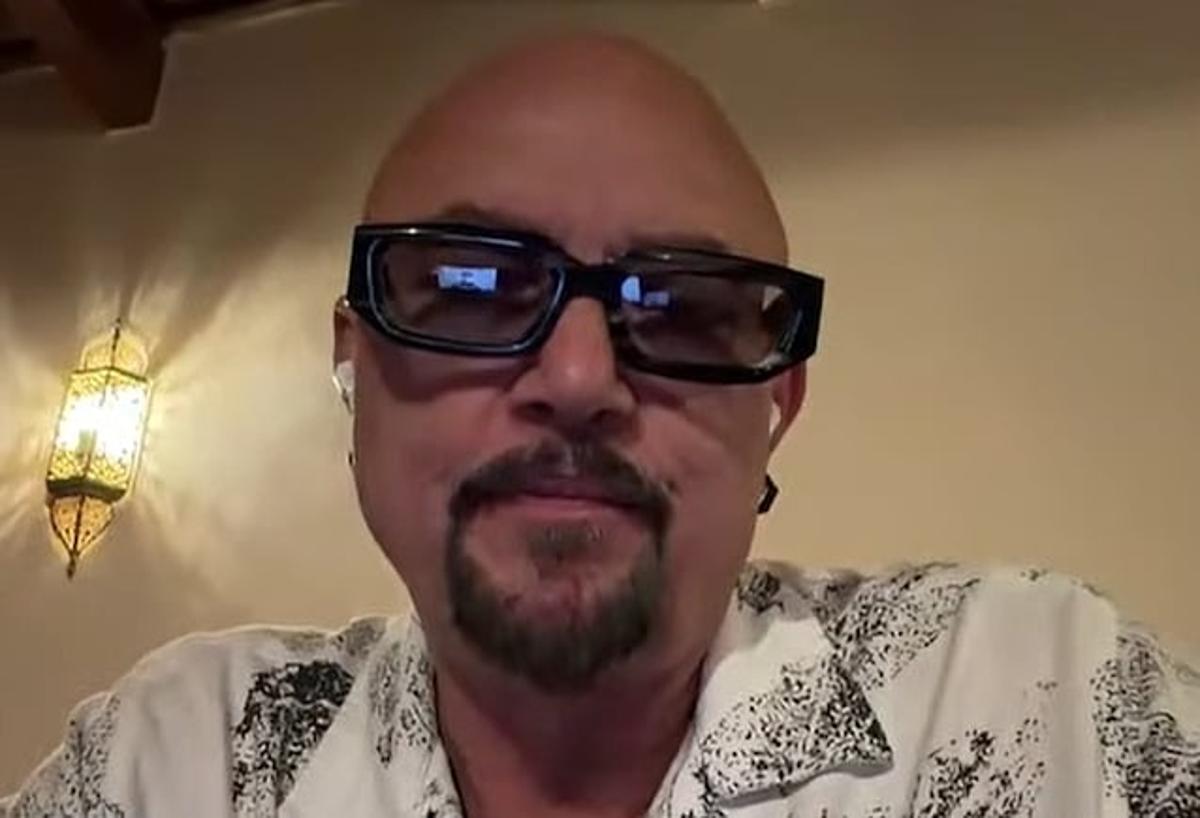
GEOFF TATE On Proposed THE THREE TREMORS Project With BRUCE DICKINSON And ROB HALFORD: 'It Didn't Progress Very Far At All'
Why It Matters
The story shows that even high‑profile metal collaborations can falter due to logistical and artistic challenges, underscoring the limits of hype‑driven projects. It signals to promoters and labels that realistic timelines and solid songwriting are essential for supergroup viability.
Key Takeaways
- •Idea sparked by Rod Smallwood’s joke in 2018
- •Scheduling conflicts prevented progress among Tate, Dickinson, Halford
- •Promoters saw lucrative ticket‑sale potential for supergroup
- •Dickinson wrote “Tyranny Of Souls” for three‑voice arrangement
- •Project renamed Trinity before being permanently shelved
Pulse Analysis
The metal world has long been fascinated by supergroup concepts, where iconic frontmen combine forces for a one‑off spectacle. Past attempts—like Ozzy Osbourne’s brief work with Rob Halford or the short‑lived Heaven & Hell—show both commercial allure and logistical nightmare. In today’s streaming era, promoters chase narratives promising unique live experiences, but aligning multiple high‑profile artists amplifies coordination challenges. These collaborations also serve as branding tools, allowing artists to tap into each other's fan bases and generate media buzz that extends beyond album cycles.
The Three Tremors, later renamed Trinity, began as a joke by Iron Maiden manager Rod Smallwood in 2018. Geoff Tate, Bruce Dickinson, and Rob Halford toasted the idea, but their touring schedules quickly clashed. Dickinson revealed promoters already imagined huge box‑office returns and even wrote “Tyranny Of Souls” for three voices. The group also considered a joint tour, but coordinating stage production for three distinct vocalists proved daunting, and the lack of a unified songwriting approach further stalled momentum. Yet the trio realized a novelty act needed a solid catalog, and without enough songs the project was shelved.
The aborted supergroup highlights a key industry lesson: star power alone doesn’t guarantee success. Labels and promoters must balance hype‑driven financial projections with realistic creative timelines. For fans, the story reveals why many dream collaborations never materialize. As streaming rewards unique content, future projects will need ample writing time, aligned release windows, and music that transcends novelty to succeed. Consequently, industry observers advise that any future supergroup venture allocate dedicated rehearsal periods and secure contractual agreements early to avoid the pitfalls that doomed The Three Tremors.
GEOFF TATE On Proposed THE THREE TREMORS Project With BRUCE DICKINSON And ROB HALFORD: 'It Didn't Progress Very Far At All'
Comments
Want to join the conversation?
Loading comments...