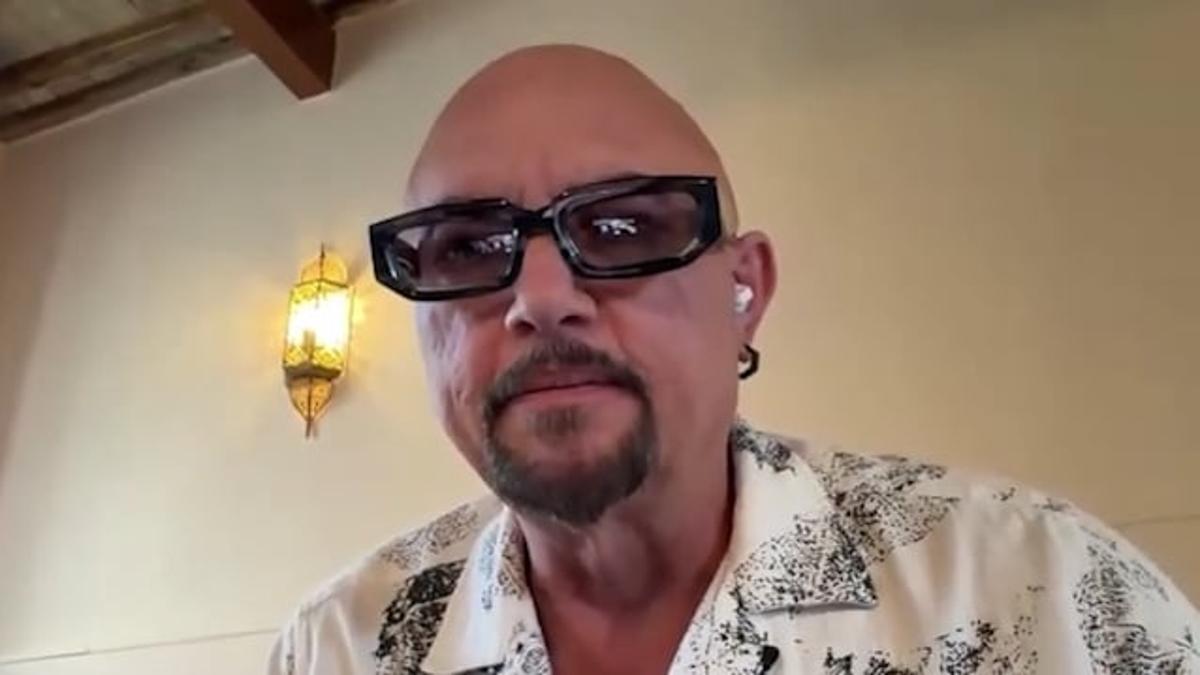
GEOFF TATE Says Getting Other Ex-QUEENSRŸCHE Members To Guest On 'Operation: Mindcrime III' Wouldn't Have Been 'A Good Move' For His 'Sanity'
Why It Matters
By self‑releasing, Tate demonstrates a shift toward artist‑controlled distribution, while the *Mindcrime* brand remains a lucrative legacy asset for both factions of the former band. The move highlights how legacy acts can monetize classic concepts without traditional label support.
Key Takeaways
- •Tate self-released *Operation: Mindcrime III* without a record label.
- •Album produced by Disturbed bassist John Moyer, featuring guitarist Kieran Robertson.
- •Concept tells Dr. X’s perspective on Nikki’s story, adding orchestral dynamics.
- •Tate declined former Queensrÿche members to protect his sanity.
- •*Mindcrime II* sold under 150,000 copies, far below original’s 500,000+.
Pulse Analysis
The third chapter of Geoff Tate’s *Operation: Mindcrime* series arrives as a bold narrative experiment, shifting the story’s focus to the enigmatic Dr. X. By re‑examining the original’s political and personal turmoil through the antagonist’s eyes, Tate adds a fresh psychological layer while preserving the heavy, guitar‑centric aesthetic that defined the 1988 classic. Fans of concept albums appreciate the continuity of thematic depth, and the orchestral touches introduced on this record broaden its sonic palette without abandoning the series’ signature aggression.
Tate’s decision to self‑release the album underscores a growing trend among veteran artists to bypass traditional label structures. With digital distribution platforms and direct‑to‑fan marketing, musicians can retain full ownership of master recordings and revenue streams. Partnering with Disturbed bassist John Moyer for production and spotlighting newcomer Kieran Robertson further illustrates a collaborative, low‑overhead model that leverages existing industry relationships. This approach reduces upfront costs and allows Tate to experiment with a “headphone‑oriented” mix that emphasizes dynamic range, appealing to audiophiles and collectors alike.
The split of the Queensrÿche brand into two distinct entities creates a unique market dynamic. Tate’s exclusive rights to perform the original *Mindcrime* albums live give him a valuable touring asset, while the remaining Queensrÿche lineup continues to release new material under the same name. This duality can fragment the fan base but also expands overall revenue potential, as both camps can monetize nostalgia and new content. For the broader industry, the case illustrates how legacy acts can capitalize on their back catalogues, leverage independent release strategies, and maintain relevance in an era where label influence wanes.
GEOFF TATE Says Getting Other Ex-QUEENSRŸCHE Members To Guest On 'Operation: Mindcrime III' Wouldn't Have Been 'A Good Move' For His 'Sanity'
Comments
Want to join the conversation?
Loading comments...