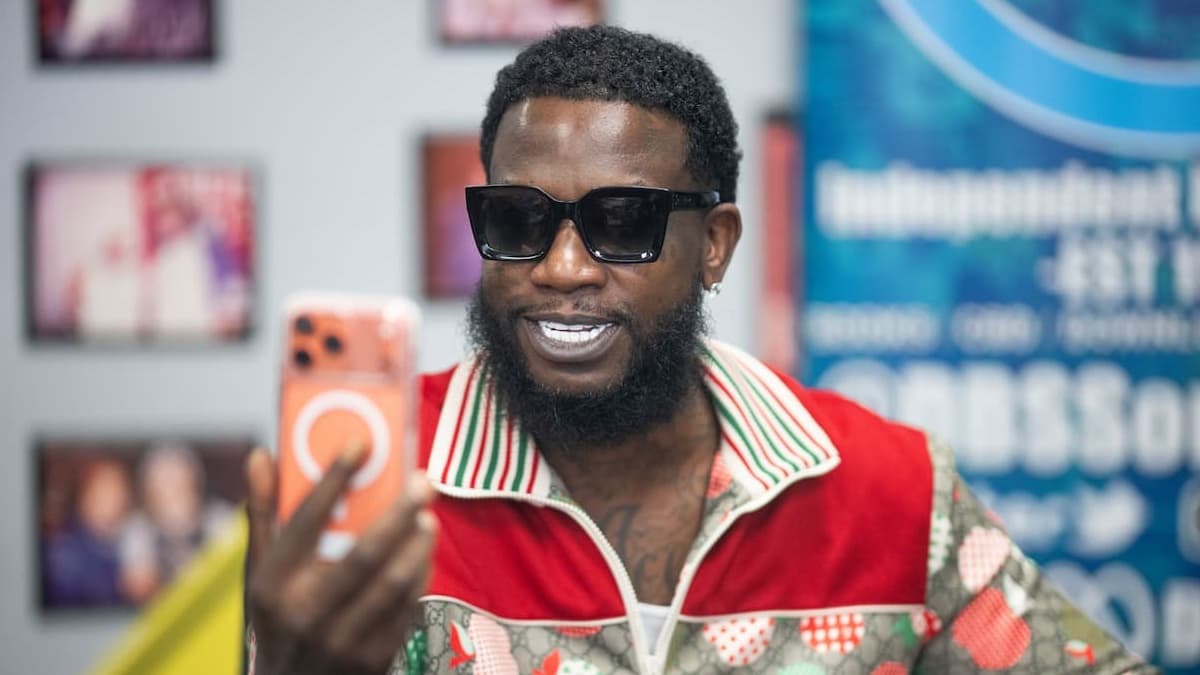
Gucci Mane Has Changed Over the Years, but He Would Argue It’s for the Better
•March 10, 2026
0
Why It Matters
The transformation illustrates how personal redemption can revitalize an artist’s brand, driving fan loyalty and extending commercial relevance in hip‑hop’s competitive market.
Key Takeaways
- •Prison stint sparked Gucci Mane’s health and mindset overhaul
- •Current focus on legacy, wealth, and mental well‑being
- •Early mixtape era defined by legal troubles and chaos
- •He markets himself as a resilient comeback story
- •Transformation boosts his brand credibility and marketability
Pulse Analysis
Gucci Mane’s early years mirrored the raw, unfiltered energy of Atlanta’s trap explosion, where prolific mixtape releases and high‑profile feuds cemented his street credibility. However, frequent arrests and a volatile lifestyle also painted a picture of instability that limited mainstream appeal. This chaotic foundation, while essential to his mythos, left his brand vulnerable to the pitfalls that often befall artists entrenched in legal battles and health neglect.
The turning point arrived during his 2014‑2016 incarceration, a period Gucci describes as a crucible for personal growth. Post‑release, he adopted disciplined health routines, openly discussed mental health challenges, and shifted his priorities toward financial diversification and legacy building. By rebranding himself as a resilient comeback figure, he tapped into a narrative that resonates with both longtime fans and new audiences seeking authenticity. This strategic pivot not only revitalized his music catalog but also opened doors for endorsements, business ventures, and higher‑margin revenue streams.
Gucci Mane’s evolution underscores a broader industry trend where redemption stories become powerful branding tools. Artists who publicly navigate adversity can leverage their journeys to deepen fan engagement, attract corporate partnerships, and influence cultural conversations around mental health and personal responsibility. As the music business increasingly values longevity over fleeting hype, Gucci’s model demonstrates that a well‑crafted comeback narrative can translate into sustained market relevance and expanded monetization opportunities.
Gucci Mane Has Changed Over the Years, but He Would Argue It’s for the Better
0
Comments
Want to join the conversation?
Loading comments...