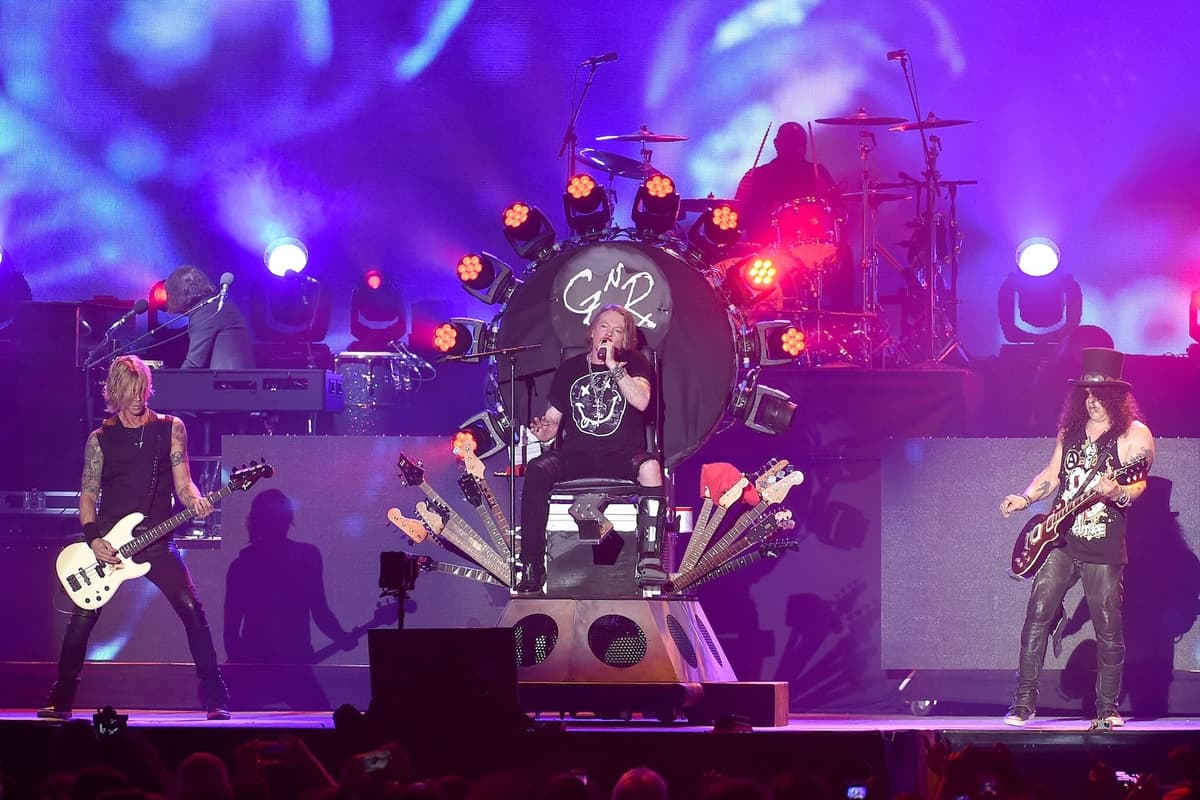
Why It Matters
The reunion demonstrates the enduring commercial clout of legacy rock acts, reshaping touring economics and setting a benchmark for other veteran bands seeking profitable comebacks.
Key Takeaways
- •23‑year gap before classic lineup reunited in 2016
- •Over 340 post‑reunion concerts, including 2026 Brazil show
- •$965 million gross, 9 million tickets sold since reunion
- •Six “new” songs released, album still pending
- •Lineup changes limited to two members since 2016
Pulse Analysis
The financial success of Guns N’ Roses’ reunion underscores a broader shift in live‑music economics, where legacy acts can command ticket prices and stadium capacities once reserved for contemporary pop stars. Their $965 million gross over a decade rivals the earnings of many current top‑grossing tours, illustrating that nostalgia‑driven demand can generate sustained revenue streams. This trend encourages promoters to prioritize multi‑year world tours for classic rock brands, leveraging their extensive back catalogs and cross‑generational fan bases.
Beyond the balance sheet, the band’s strategic release of six new tracks keeps the brand relevant without diluting its iconic status. By integrating fresh material into setlists, they satisfy long‑time fans while attracting younger listeners discovering the group through streaming platforms. The relative stability of the lineup—only two personnel changes since 2016—has fostered a cohesive stage presence, reinforcing the authenticity fans crave after years of revolving doors. This balance of heritage and incremental innovation is a blueprint for other veteran groups navigating the modern music landscape.
Looking ahead, Guns N’ Roses’ continued touring schedule through 2026 and hints of a forthcoming album suggest the reunion is far from winding down. Their model signals to the industry that well‑managed reunions can evolve into long‑term revenue engines, prompting labels and managers to revisit dormant catalogs for similar opportunities. As streaming royalties plateau, live performance and merchandise become pivotal, positioning classic‑rock reunions as a lucrative frontier for both artists and investors.
Guns N' Roses' Massive Reunion by the Numbers
Comments
Want to join the conversation?
Loading comments...