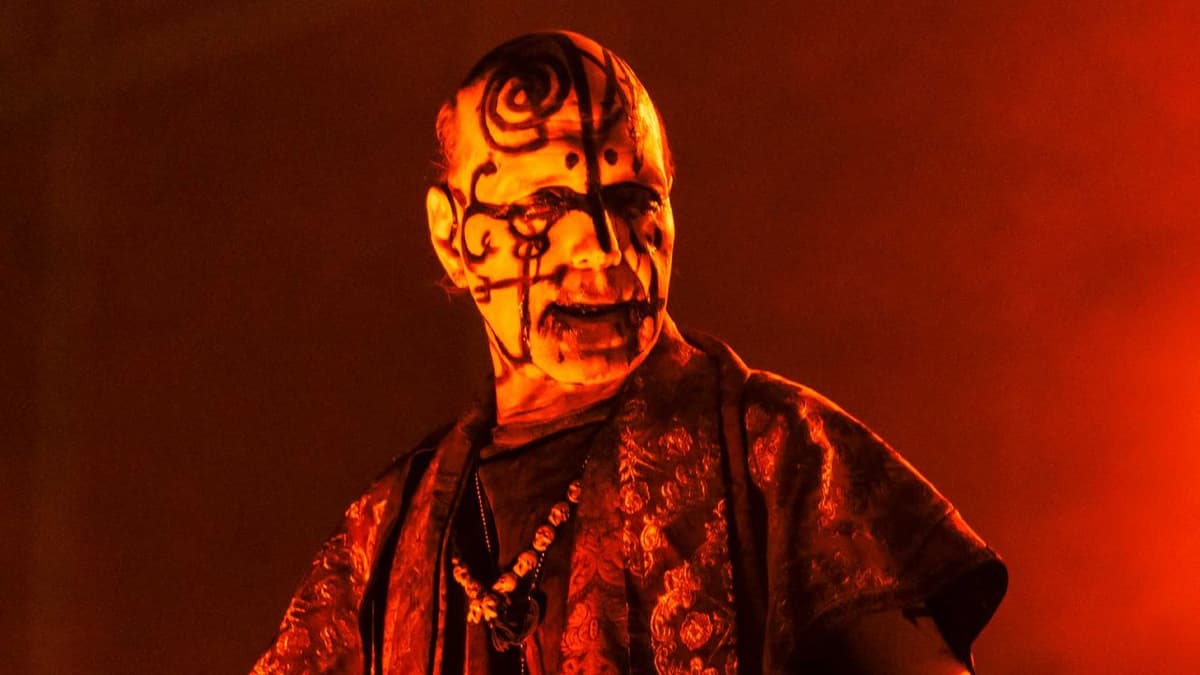
“He Seemed Very Polite, Kind of Gentle." The Vocalist Who Traded Tapes with One of Black Metal's Most Notorious Characters, Learned Details of His Brutal Murder From a Fanzine
•March 10, 2026
0
Why It Matters
The story reveals how underground networks shaped black metal’s formative years and how the 1993 murder still influences the genre’s narrative and commercial resurgence.
Key Takeaways
- •Csihar joined Mayhem after Euronymous admired Tormentor demos.
- •Euronymous and Varg Vikernes hosted Csihar during Norwegian visits.
- •Csihar described Euronymous as polite, gentle, contrary to myth.
- •Euronymous was murdered by Vikernes on 10 August 1993.
- •News of murder reached Csihar through a Hungarian metal fanzine.
Pulse Analysis
The early 1990s Norwegian black metal scene thrived on a clandestine tape‑trading culture that connected distant musicians. Attila Csihar, frontman of Hungary’s Tormentor, caught Euronymous’s attention when the Mayhem founder exchanged demos for his own recordings. This underground exchange not only led to Csihar’s invitation to replace Dead after the vocalist’s suicide, but also illustrates how informal networks forged the genre’s core line‑up and sound, cementing a mythos that still fuels fan interest today.
During his brief stint in Norway, Csihar stayed with both Euronymous and Varg Vikernes, observing a stark contrast between the public image of the notorious guitarist and his private, almost genteel behavior. Euronymous’s organized correspondence, red‑curtained apartment, and polite demeanor challenged the prevailing narrative of a violent, cult‑like figure. Meanwhile, Vikernes’s comparatively comfortable flat hinted at socioeconomic differences within the scene, foreshadowing the divergent paths that would later culminate in tragedy.
The murder of Euronymous by Vikernes sent shockwaves through the global metal community, yet the news reached Csihar via a modest fanzine, underscoring the era’s reliance on niche publications for information. This incident not only cemented the dark legend surrounding Mayhem but also highlighted the fragile, insular nature of the early black metal network. As Mayhem releases Liturgy of Death, the band leverages this storied past, demonstrating how historic events continue to shape branding, fan engagement, and the commercial viability of extreme music today.
“He seemed very polite, kind of gentle." The vocalist who traded tapes with one of black metal's most notorious characters, learned details of his brutal murder from a fanzine
0
Comments
Want to join the conversation?
Loading comments...