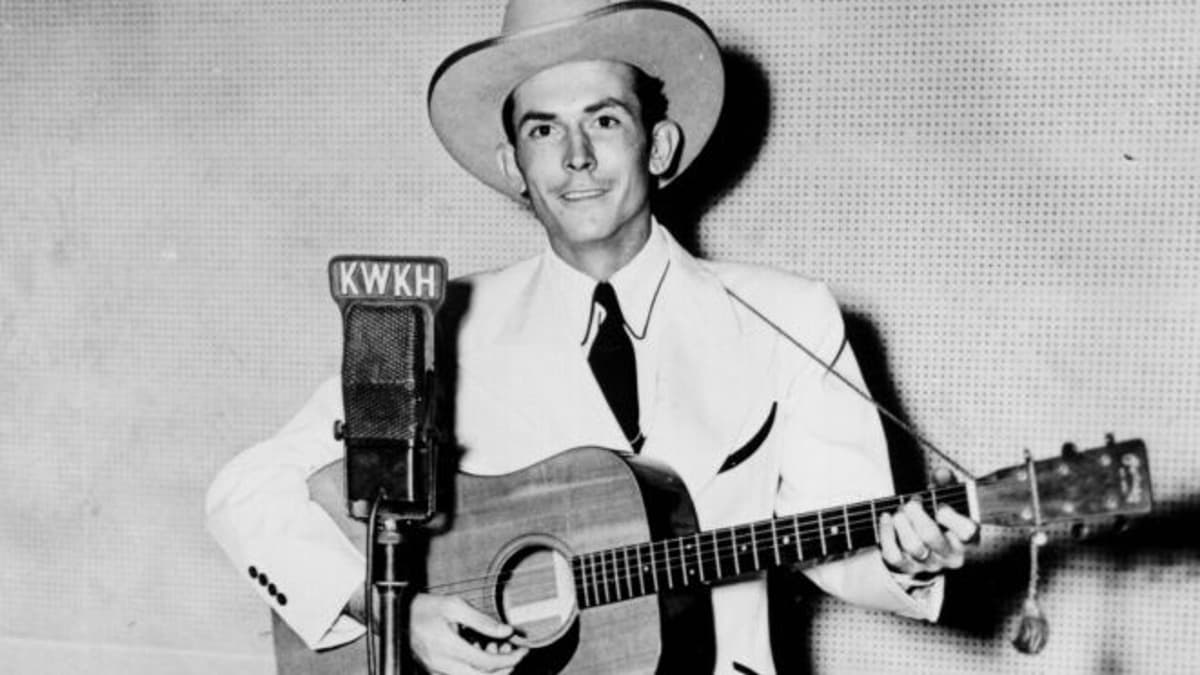
How a Drunken Car Ride Turned Into One of Hank Williams’ Most Popular Religious Songs
Why It Matters
The song illustrates how a fleeting, personal moment can generate a timeless gospel standard, reinforcing Hank Williams’ pivotal role in shaping the country‑gospel crossover and influencing generations of artists.
Key Takeaways
- •1947 car ride sparked creation of Williams' gospel classic
- •I Saw The Light never charted but became a live‑show staple
- •Covered by legends like Johnny Cash, Merle Haggard, and Crystal Gayle
- •Shows spontaneous inspiration can create lasting country‑gospel standards
Pulse Analysis
Hank Williams’ 1947 car‑ride anecdote offers a vivid snapshot of post‑war America’s honky‑tonk culture, where late‑night gigs and roadside travel were routine for touring musicians. According to promoter Leaborne Eads, Williams’ mother, “Mizz Williams,” used a beacon near Dannelly Field Airport to rouse a drunken Hank, uttering the phrase that would become the song’s hook. This spontaneous exchange underscores how the gritty, itinerant lifestyle of country artists often birthed the most resonant material, blending personal hardship with spiritual yearning.
“I Saw The Light” quickly transcended its modest commercial performance to become a gospel anchor in Williams’ setlists, closing shows with a message of redemption. The song’s simple chord progression and memorable refrain made it an attractive cover for a diverse roster of artists—from Johnny Cash’s somber baritone to Crystal Gayle’s polished pop‑country blend—demonstrating its adaptability across sub‑genres. Its proliferation through radio, church gatherings, and live performances helped bridge secular country audiences with gospel traditions, reinforcing the genre’s roots in Southern religious music.
The broader lesson for songwriters is the power of immediacy: a half‑asleep lyric sparked by a mother’s gentle reminder can evolve into an enduring standard. Williams’ experience illustrates how authenticity, even when born from inebriated moments, resonates when it taps into universal themes of light, salvation, and personal transformation. As modern artists navigate streaming algorithms, the tale of “I Saw The Light” reminds the industry that timeless appeal often stems from raw, unfiltered inspiration rather than calculated production.
How a Drunken Car Ride Turned Into One of Hank Williams’ Most Popular Religious Songs
Comments
Want to join the conversation?
Loading comments...